Siege of Volganoff

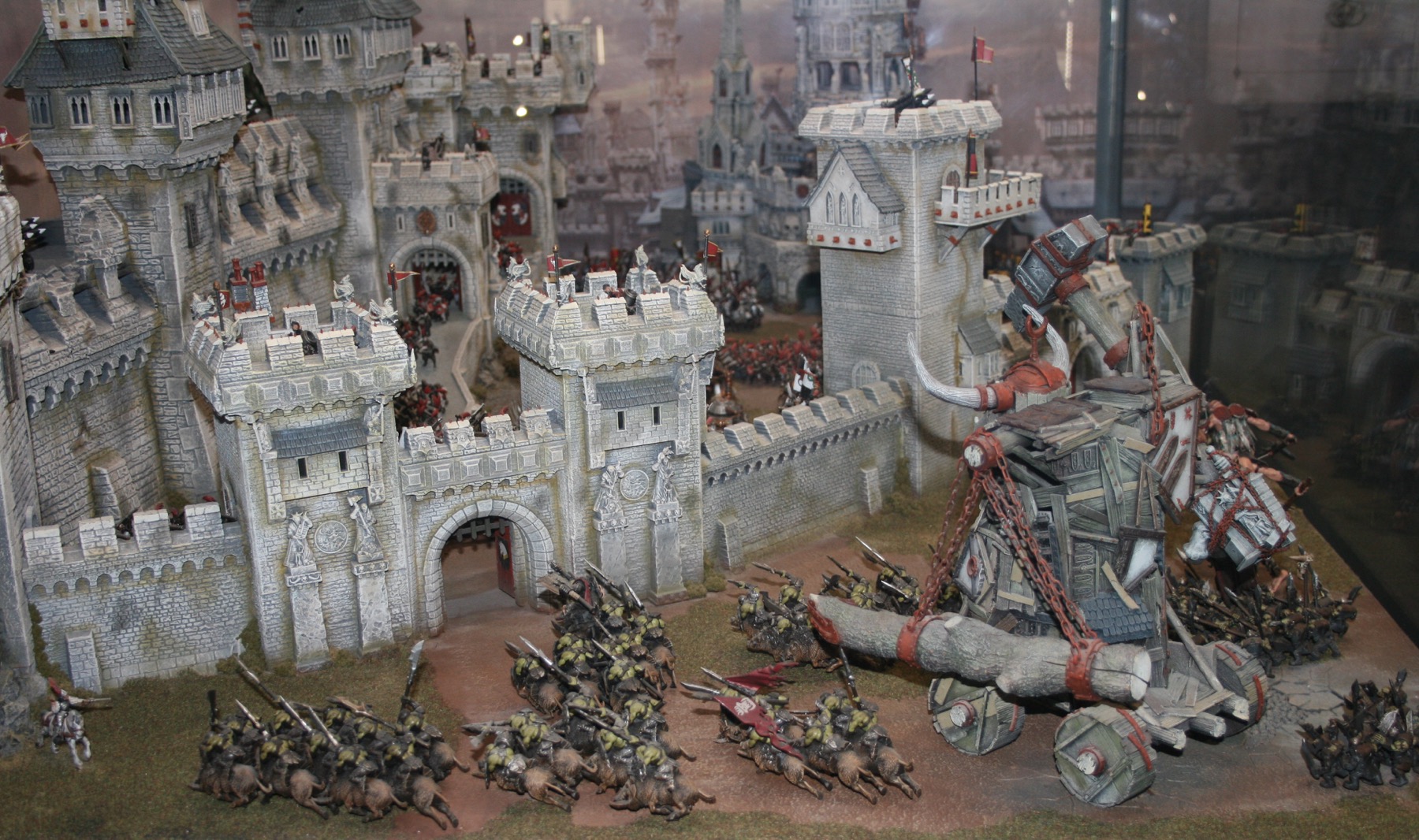
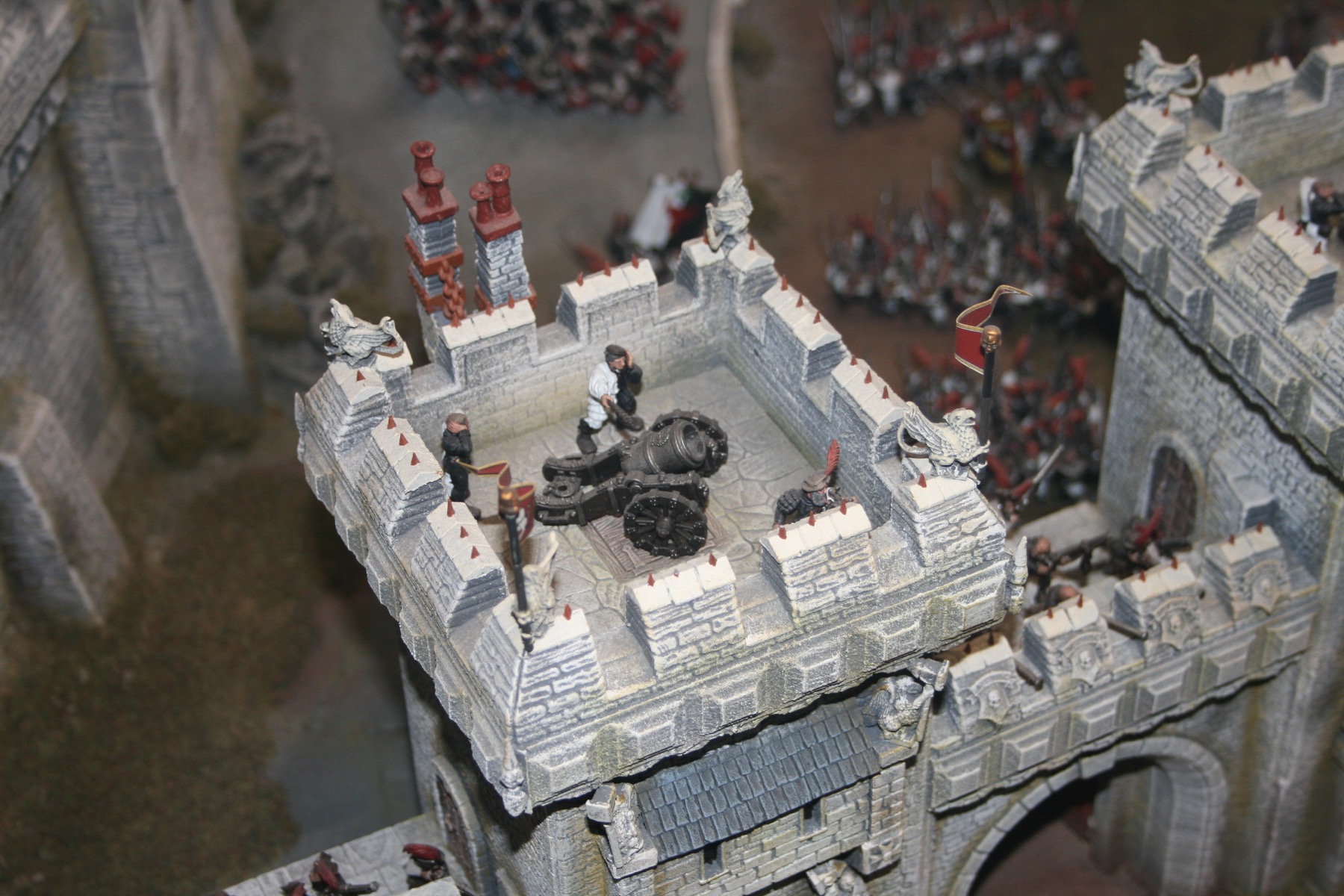
The siege of Volganoff was originally displayed at Games Day 2010 and was then put into place at Warhammer World in 2015. By 2020 the display had been reduced to focus on the heart of the battle.

One of the castle towers with a Bombard providing defence.

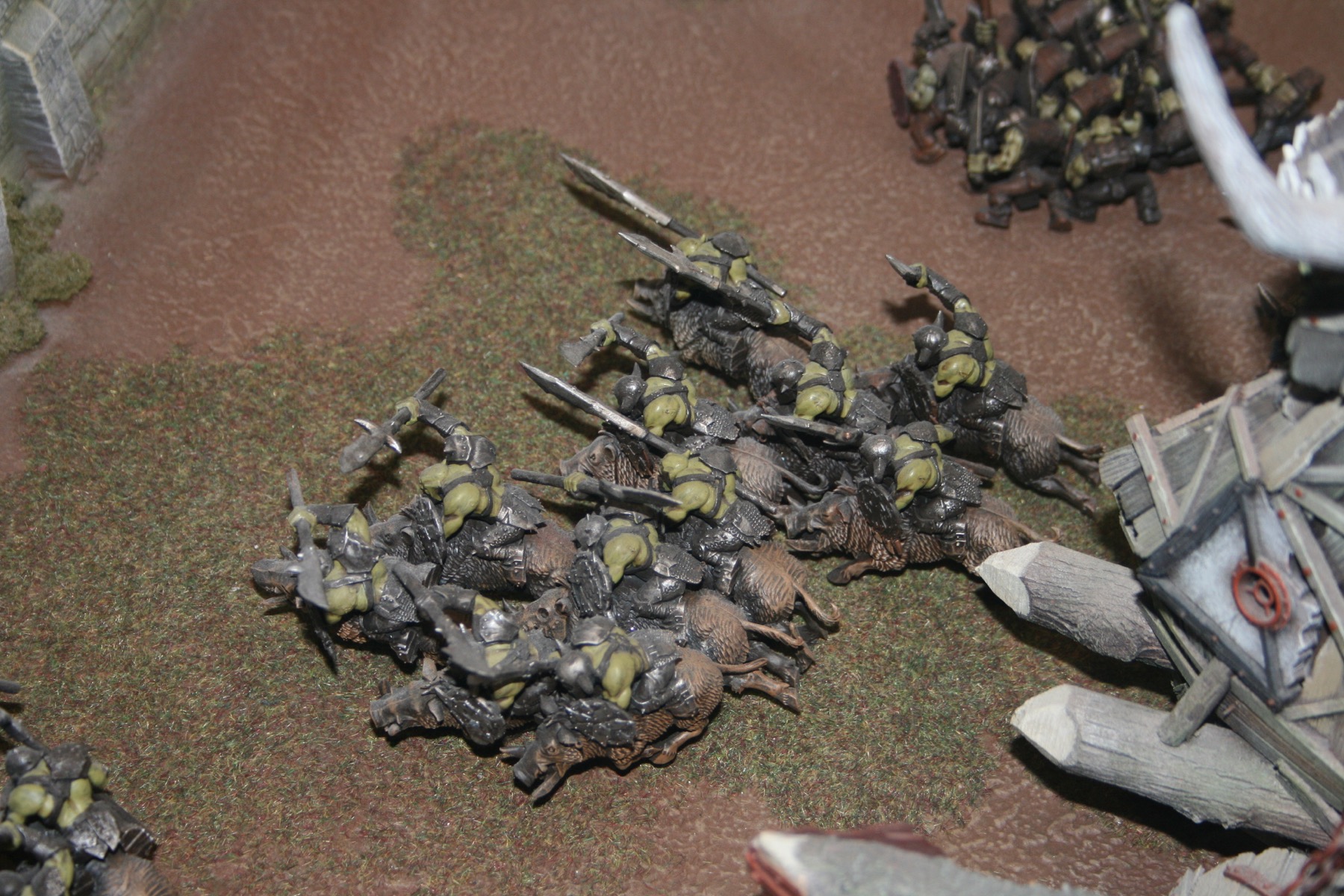
Orc Boar Riders charge towards the castle.

More photographs of this diorama.

More photographs of the siege from Games Day and Warhammer World.

Dark Angels Thunderhawks

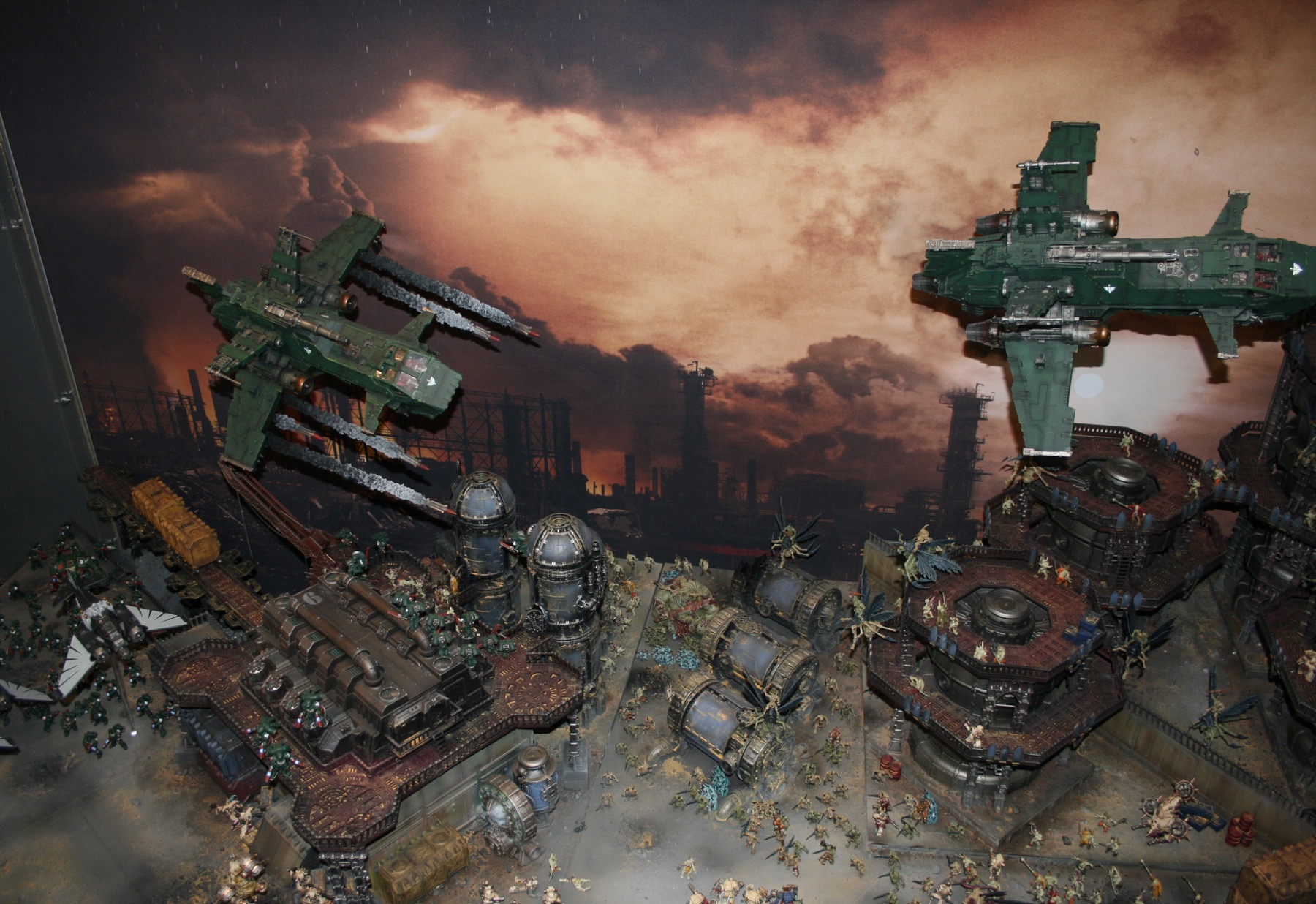
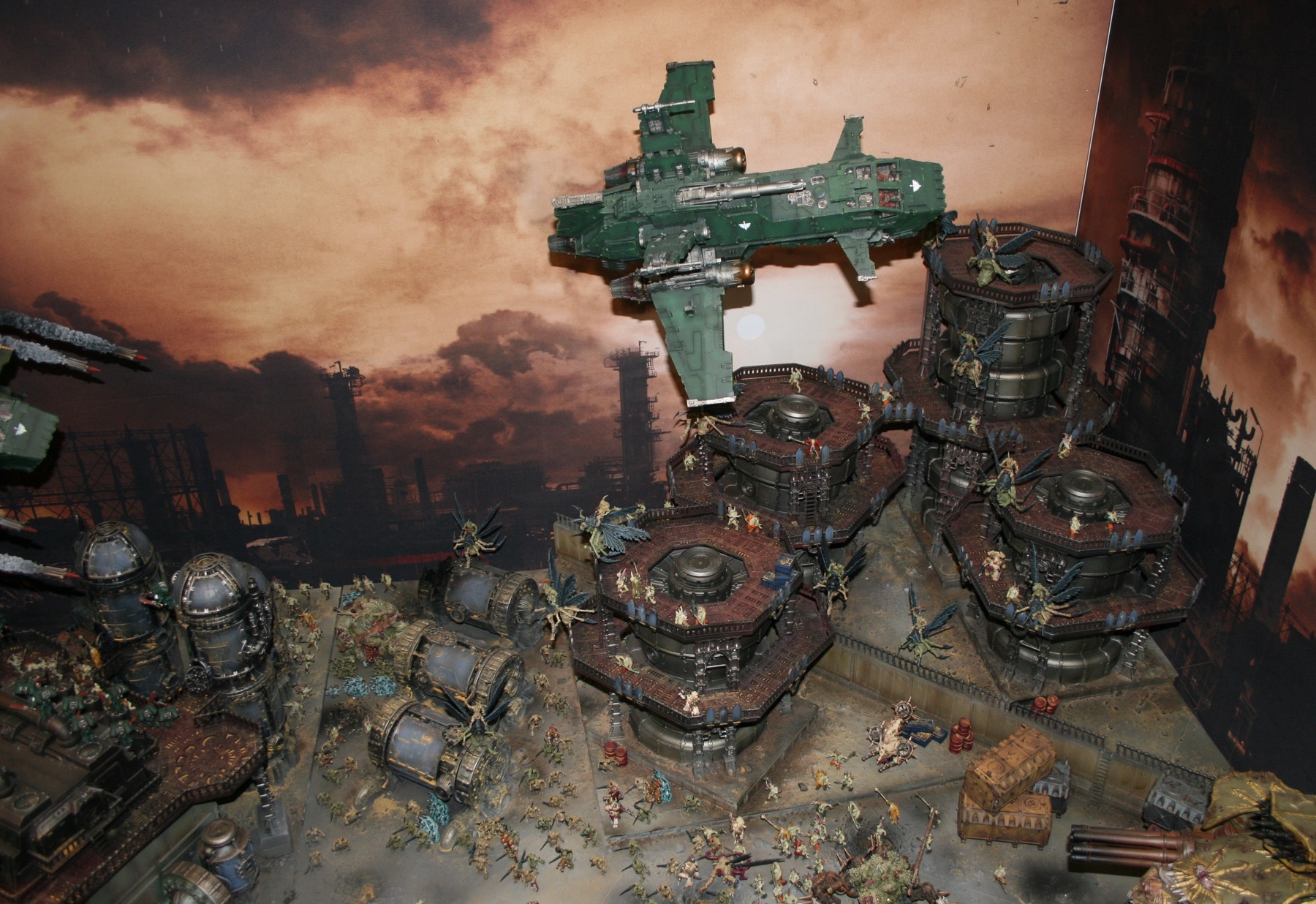
Dark Angels Thunderhawks travel across an industrial sector in support of marines on the ground.

The Thunderhawk gunship is used by the Adeptus Astartes as their primary means of deploying forces for ground combat as well as their primary source of air support. The Thunderhawk gunship is often considered the lynchpin of any Space Marine Chapter, as it is able to fulfill many combat roles. The Thunderhawk is fully capable of functioning as an orbital drop ship, a heavy ground attack gunship, or as a bomber. The aircraft is able to quickly carry Space Marine forces from orbiting starships down into the midst of a battle, while at the same time providing supporting fire against enemy ground or air targets.

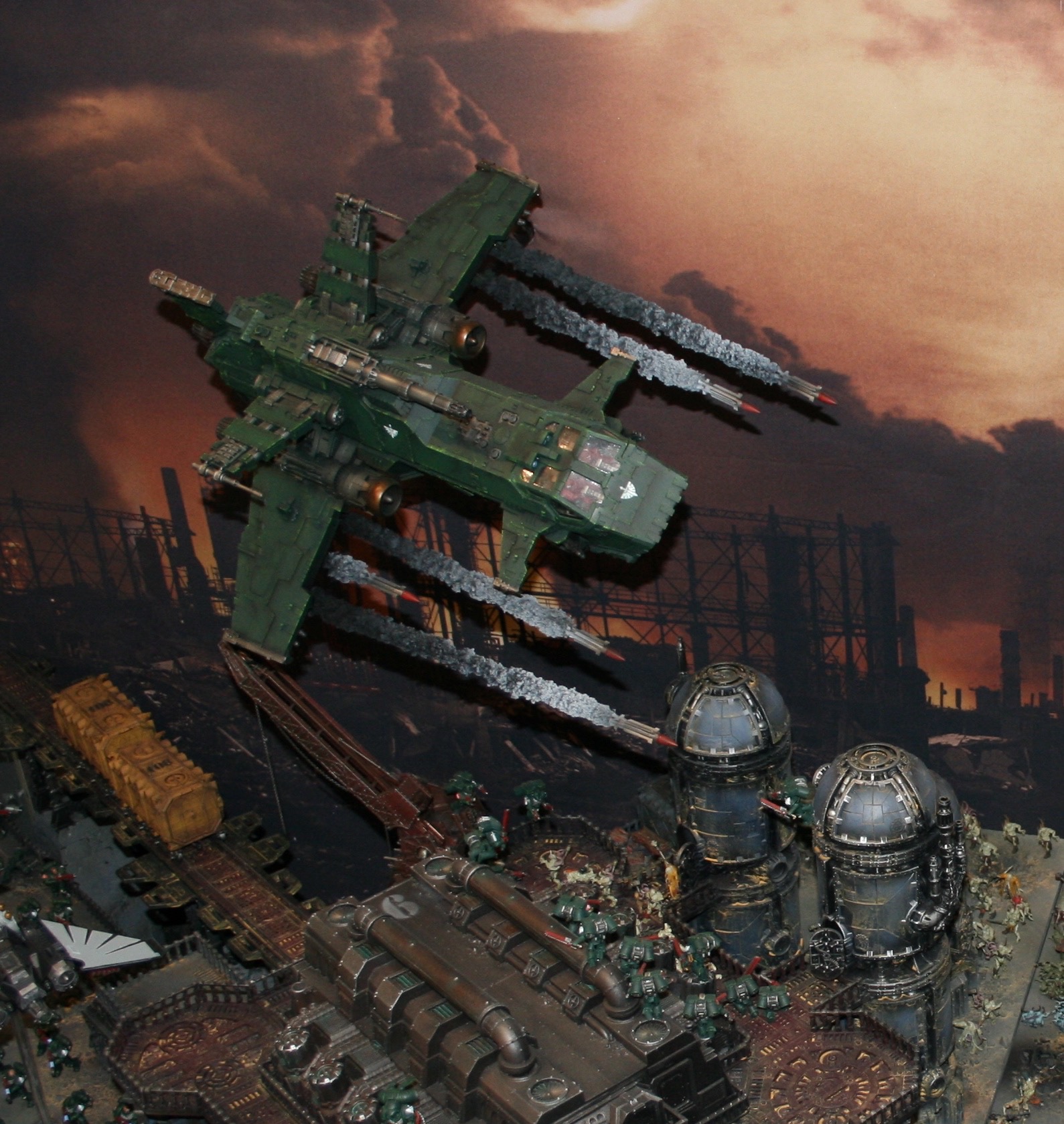
Dark Angels Thunderhawk firing rockets at the enemy.

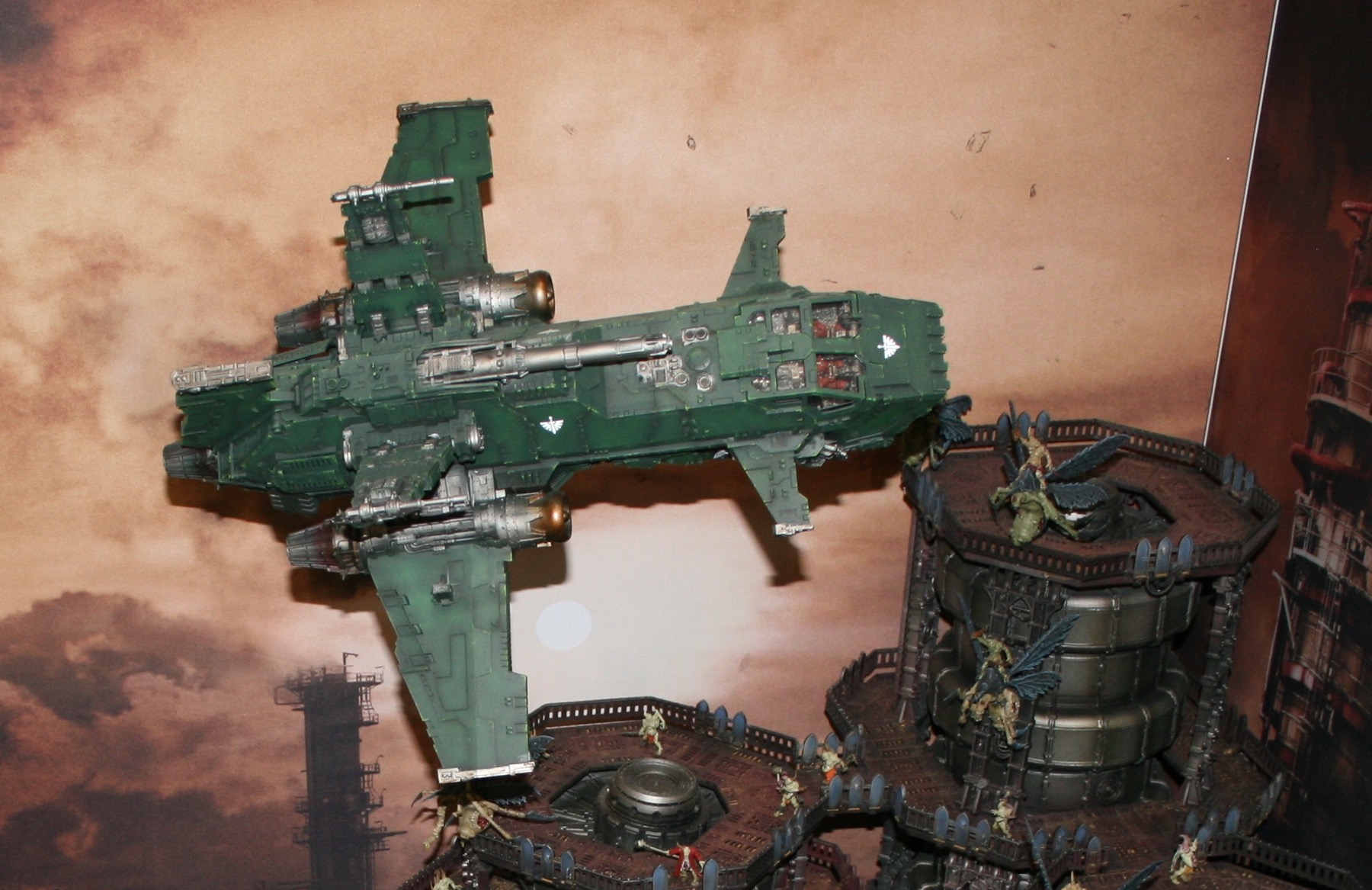
Dark Angels Thunderhawk swooping out from its strafing run.

View of the industrial sector.

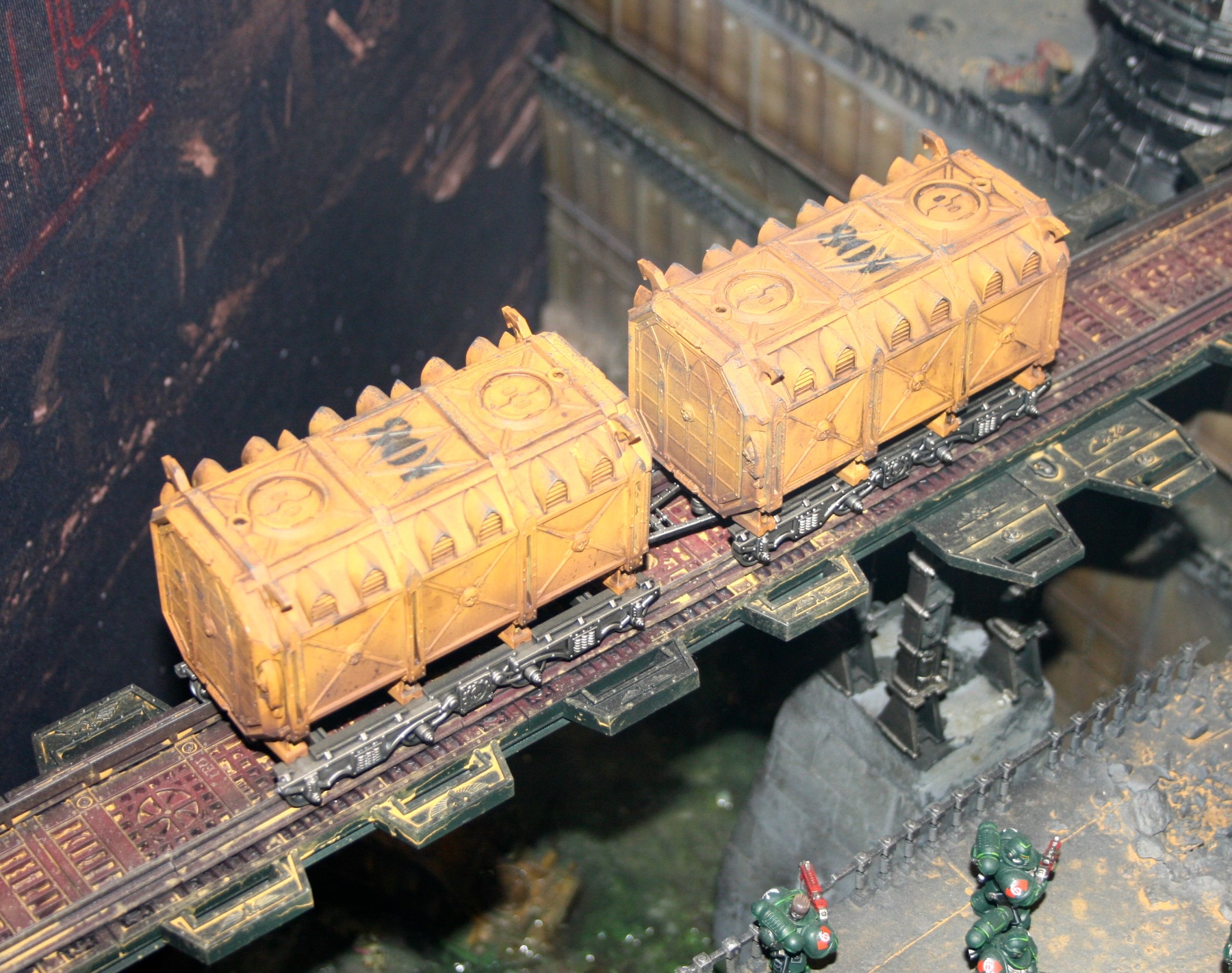
A close up of the Munitorum Armoured Containers which are being transported by rail.

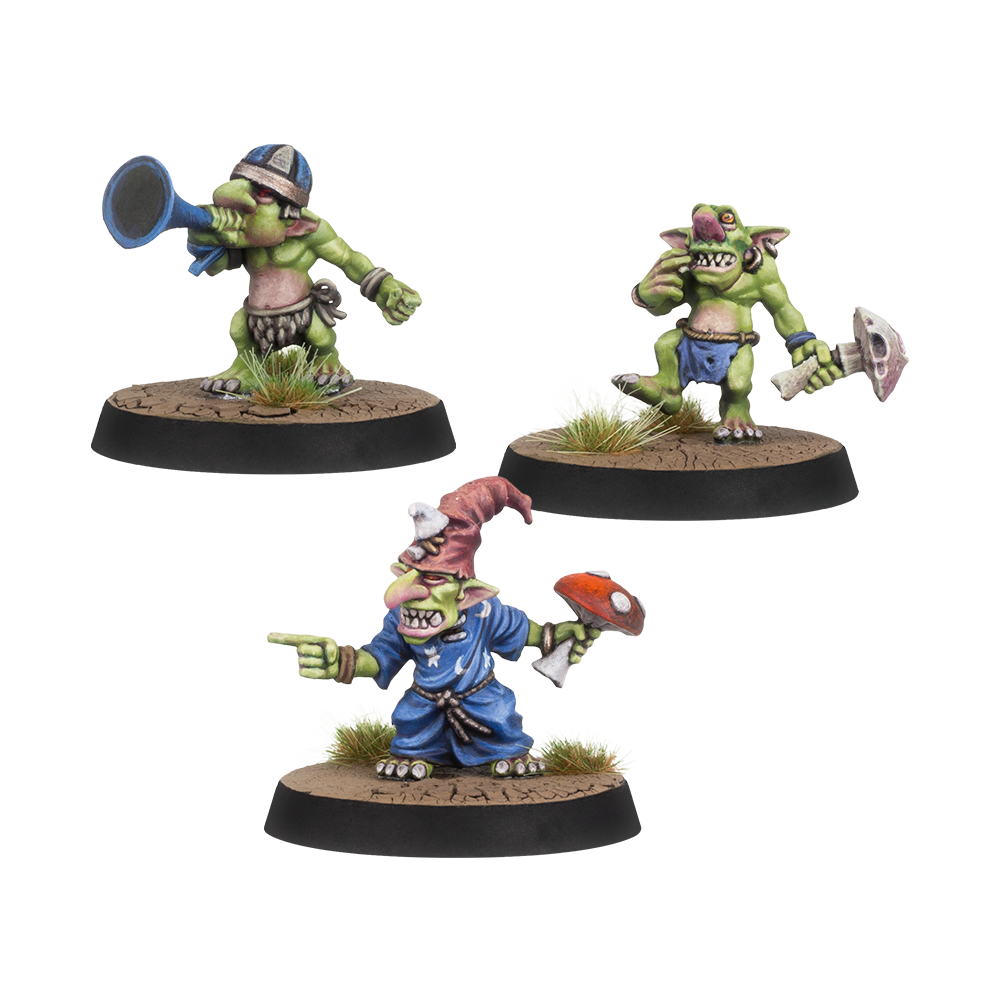
Bloodbowl Snotlings

Revealed today the newest team for Bloodbowl…

It’s Snotlings.

Of course Bloodbowl is a game based in a fantasy setting, but didn’t mean I didn’t start thinking about other possibilities as reinforcements for my Warhammer 40K Grot army.

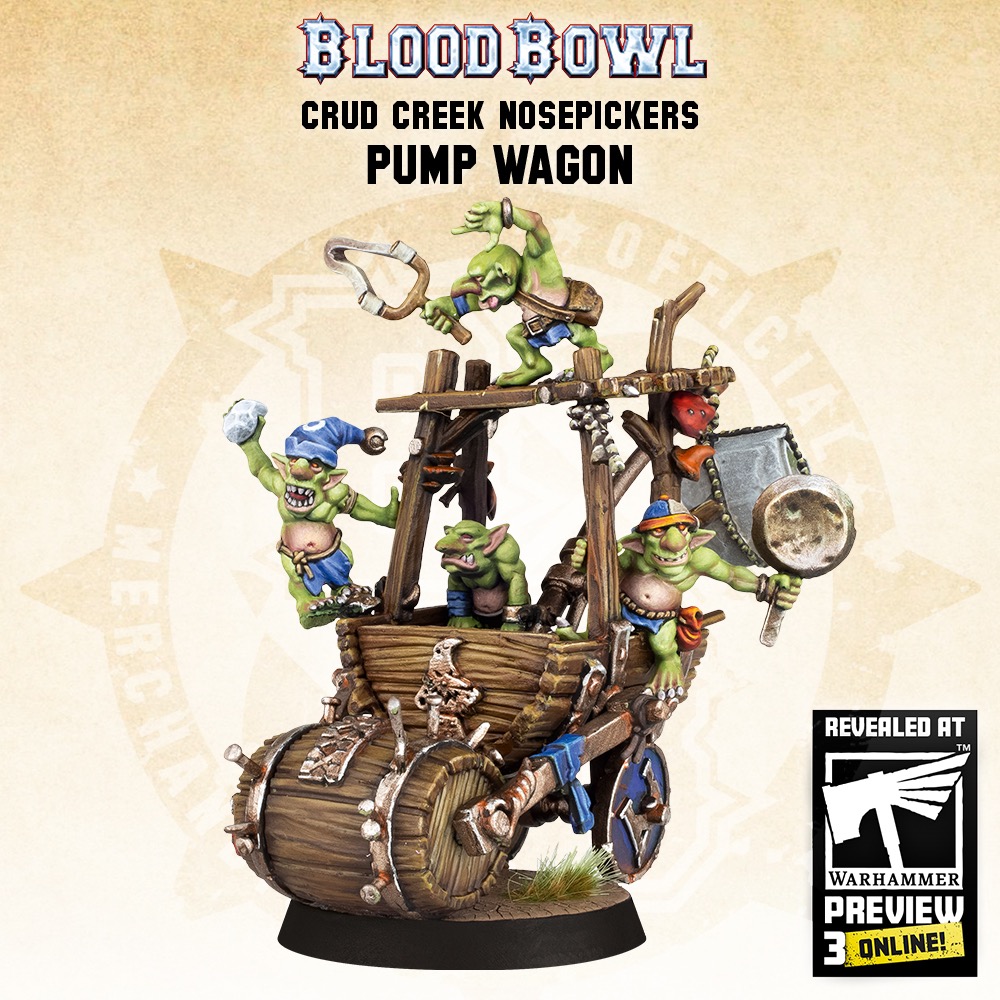
I was always a fan of the old Snotling Pump Wagon and I do quite like this new one.

Bloodbowl Snotling Pump Wagon

It has a lot of character and with a little conversion could work in a Warhammer 40K setting. I have been painting a few Snotlings as additions to my Ork vehicles, as well as Grot tanks, so this wouldn’t be too much out of place. Even the players look like they will be useful.

Daimler Dingo Scout Car

The wheeled armoured scout car was the British Army’s principal reconnaissance vehicle from the beginning of World War II until the 1980s. Scout cars were small and much quieter than a tracked vehicle; units equipped with scout cars relied on stealth to obtain information, rather than fighting for it. The Daimler Dingo entered service with the British Army in 1939 and served until the middle 1960s as a reconnaissance and liaison vehicle used by armoured and infantry divisions. It was so versatile that a multitude of uses were found for it: medical officers used them to search for casualties in the battle field while one unit even issued a Dingo to its’ chaplain!

At the Bovington Tank Museum there are two Dingo Scout Cars.

Daimler Dingo Scout Car Mark II “Marauder”, it is displayed in desert camouflage in the markings of the 12th Lancers, 7th Armoured Division.

Daimler Dingo Scout Car Mark II

There is also a Daimler Dingo Scout Car Mark III, “Rebel”. This has the regimental markings of the Royal Tank Regiment.

Daimler Dingo Scout Car Mark III

The Daimler Scout Car, known in service as the “Dingo” (after the Australian wild dog), was a British light fast 4WD reconnaissance vehicle also used in the liaison role during the Second World War. In 1938 the British War Office issued a specification for a scouting vehicle. Out of three designs submitted by Alvis, BSA and Morris, the one by BSA was selected. The actual production was passed to Daimler, which was a vehicle manufacturer in the BSA group of companies. The vehicle was officially designated Daimler Scout Car, but became widely known as Dingo, which was the name of the competing Alvis prototype.

I have an original 1990s SDD model of the Dingo as well as the better quality Flames of War resin models of the Dingo.
Inquisitorial Reinforcements

A few days ago I mentioned I had the (relatively) new Achilles Ridgerunner as a vehicular reinforcement for my Daemonhunters forces.

As well as my other Daemonhunters Inquisitorial Stormtroopers which are based on the Cadian Kasrkin I have also decided to add a unit based on the Tallarn or I may just use them as inducted Imperial Guard.

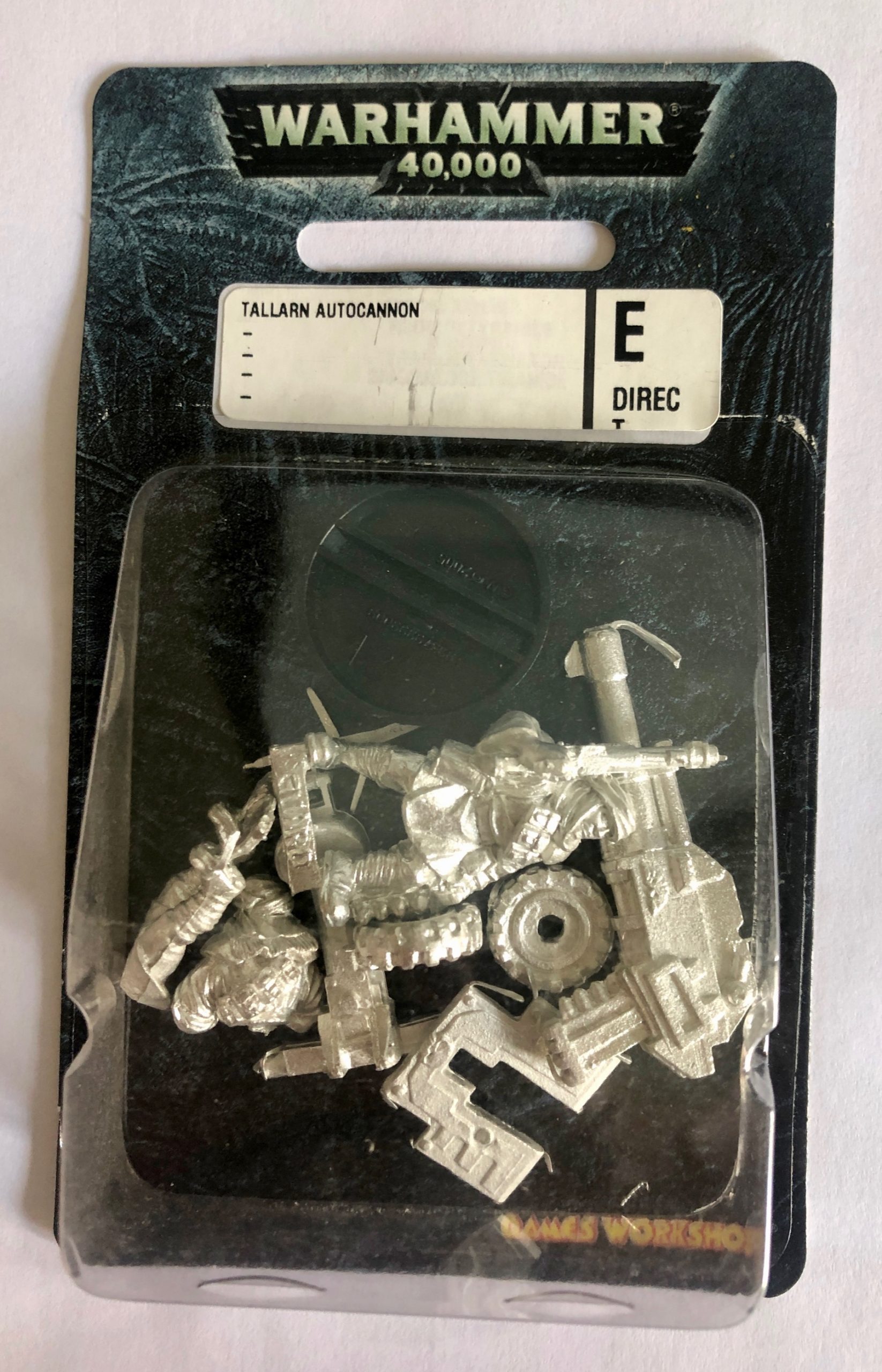
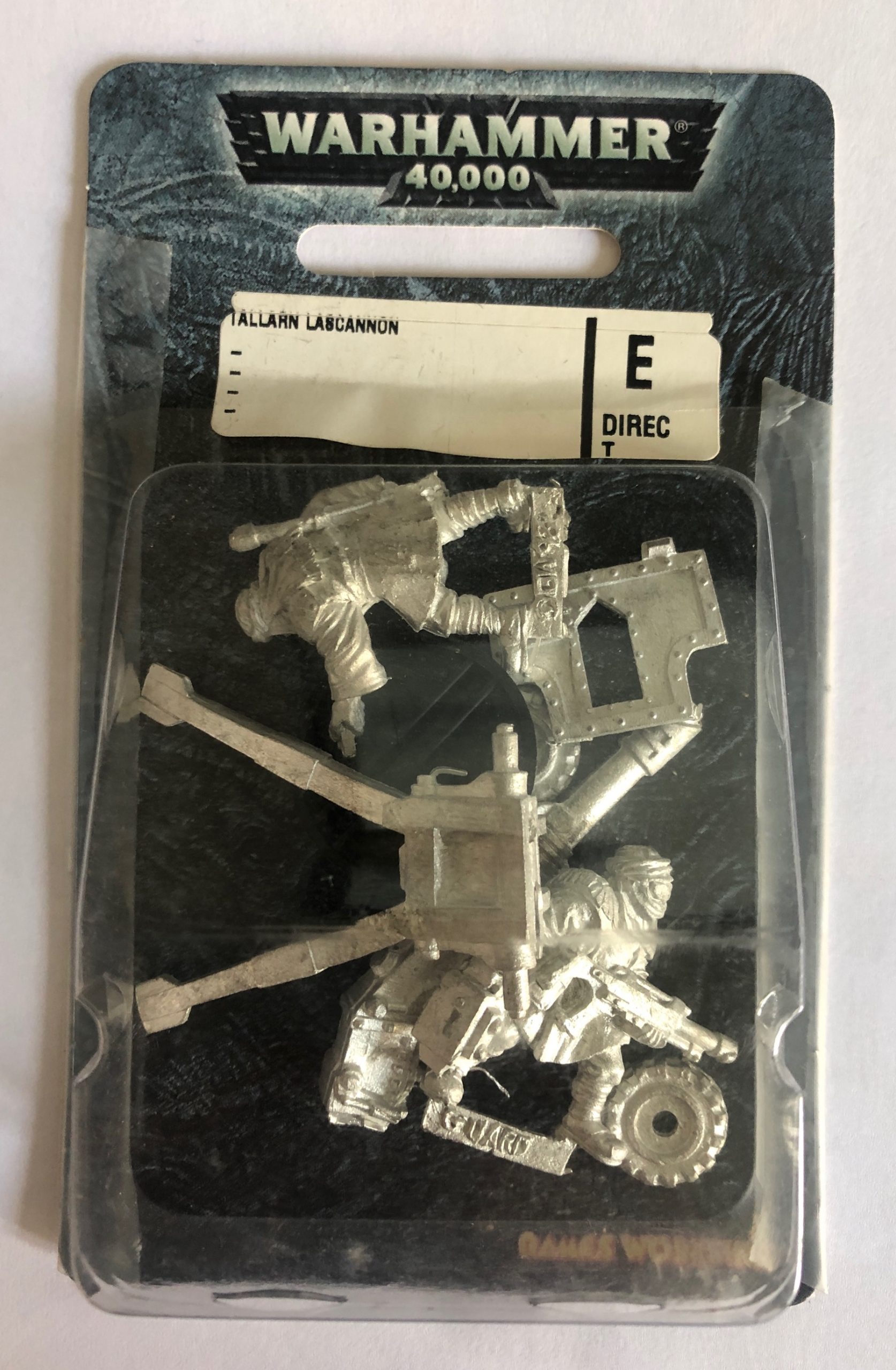
I have a blister and boxed set of Tallarn Imperial Guard troopers. I checked an old box of miniatures I had and realised I also had unopened blisters of the Tallarn Lascannon and Tallarn Autocannon.

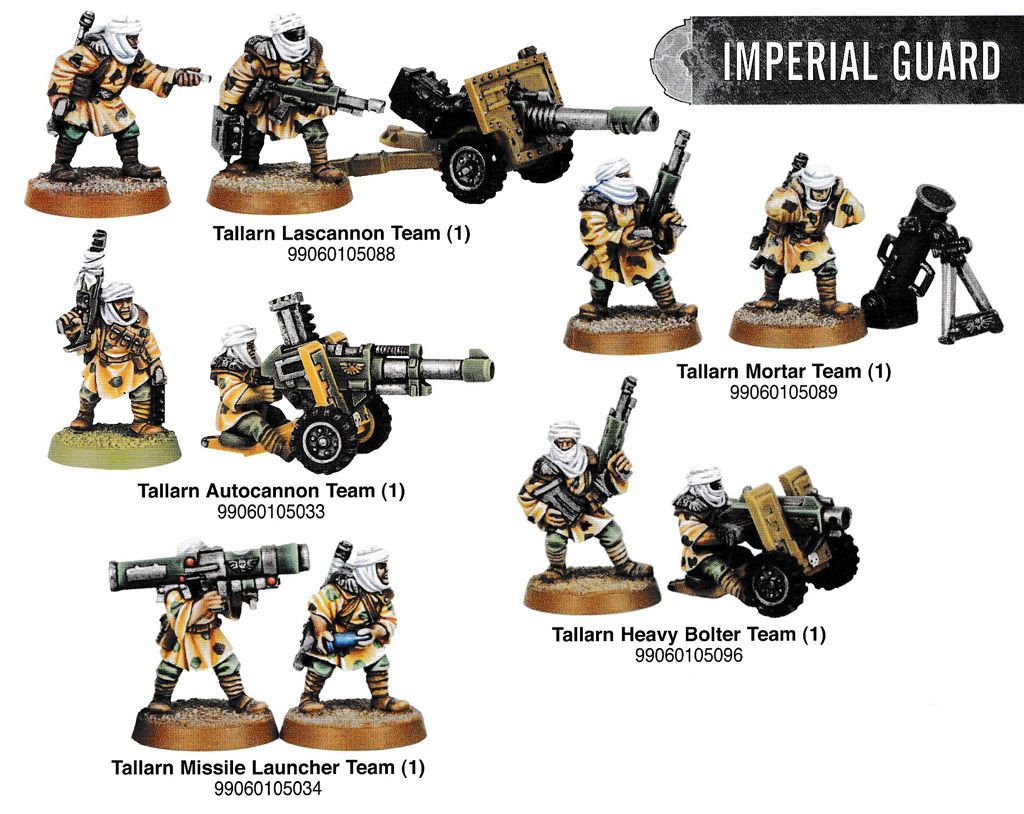
This is how they looked from the (original) marketing material with the other heavy weapons in the range.

Tallarn Heavy Weapons

You can tell from the blisters how old they are as they have the letter E on them to reflect the prices of that time.

My favourite of the two models is the lascannon.

It reminds me of the British world war two six pounder.

I am thinking do I start painting these, or do I try and finish the other Tallarn models I have on the workbench.

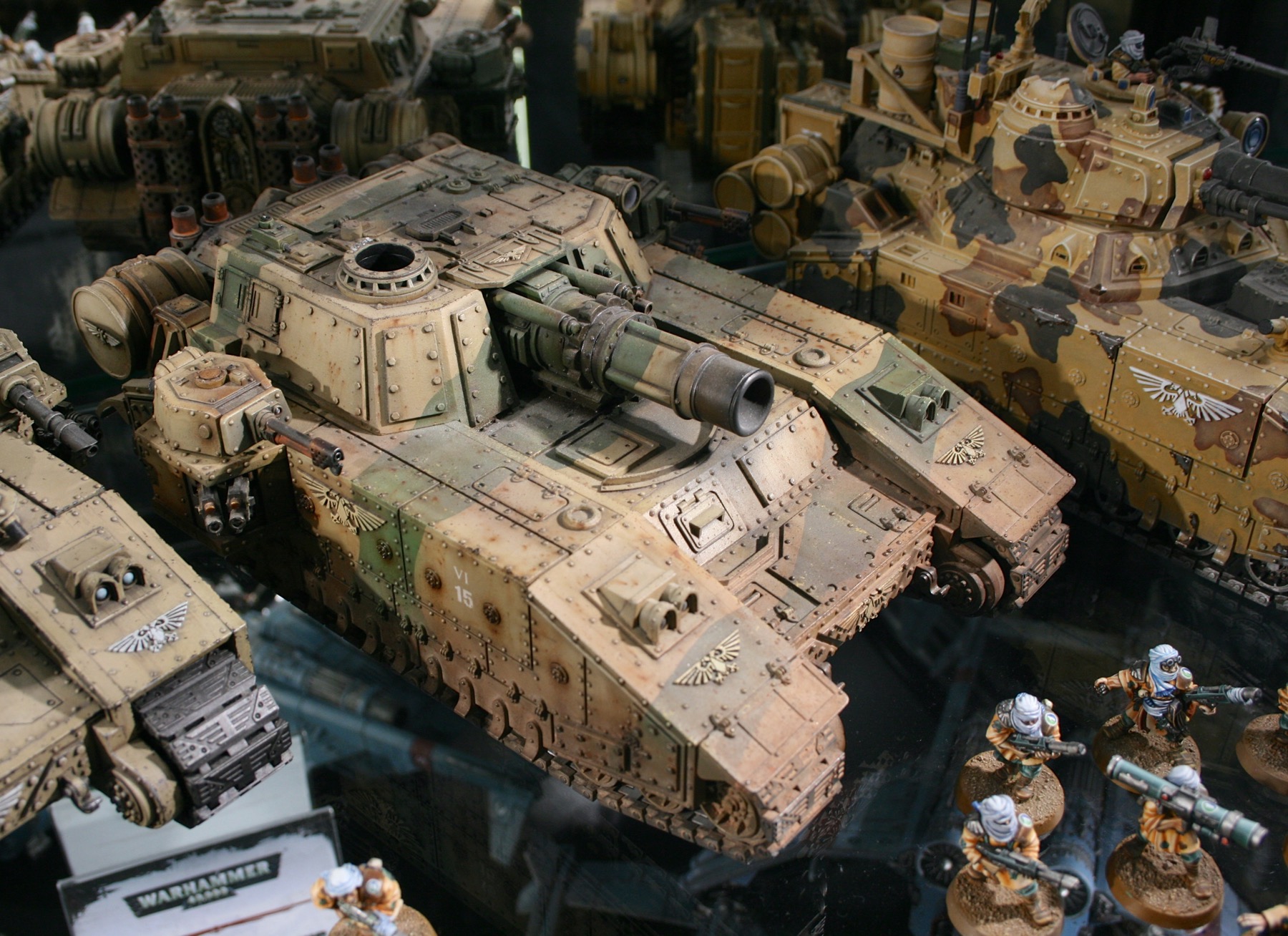
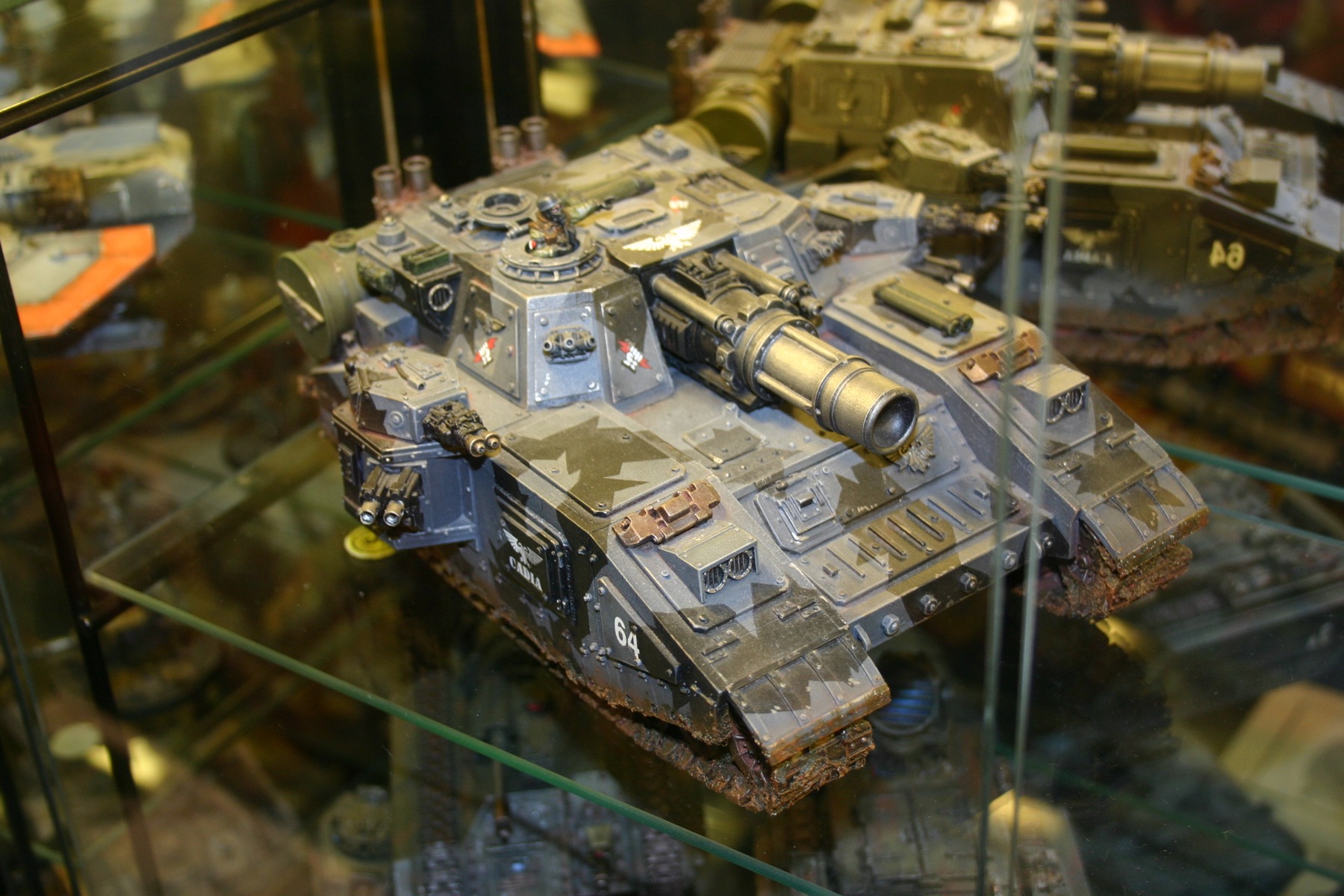
Tallarn Stormsword at Warhammer World

The Stormsword super heavy tank is built specifically for sieges and street fighting. Whilst the Shadowsword excels at long range and the Baneblade is an ‘all rounder’ equally at home in the open fields or in street fighting, the Stormsword lends its weight and firepower to troops at close quarters

Tallarn Stormsword at Warhammer World

This is constructed from the plastic kit. Compare this one to the original Forge World resin kit (circa 2006).

The Stormsword super heavy tank is built specifically for sieges and street fighting. Whilst the Shadowsword excels at long range and the Baneblade is an 'all rounder' equally at home in the open fields or in street fighting, the Stormsword lends its weight and firepower to troops at close quarters.

Inquisitorial Achilles Ridgerunner

One of my more recent models is the Genestealer Cults Achilles Ridgerunner.

Achilles Ridgerunner

The Achilles Ridgerunner is an Imperial light exploratory vehicle often used to scout out new ore seams by mining guild prospectors and newly discovered terrain on Frontier Worlds by geological surveyors.

Because of its speed, range and sheer durability, the Achilles Ridgerunner also has proven to be very popular for use with the outriders and scouts of the Genestealer Cults.

Achilles Ridgerunners range into deadly frontier environments, their pilots scanning for promising resource deposits and communicating their location back to base. Though well equipped to engage enemy scouts and outriders, the Achilles Ridgerunner’s true qualities lie in its ability to rove ahead of the cult’s main forces, scouting out potential ambush sites and routes of ingress into the foe’s territory.

I really do like this model, and as it is an Imperial light exploratory vehicle, I decided that I could use this to support my Daemonhunters force of Inquisitorial Stormtroopers, some of whom are Cadian Kasrkin and some are Tallarn Imperial Guard.

It comes in an A5 sized box with two sprues.

StuG III

When I visited Duxford in March 2019 they had a StuG III on display.

StuG III

This was a late model StuG III supplied to Finnish forces. Has Saukopf gun mantlet introduced February 1944. It is the only vehicle left carrying original ‘waffle pattern’ zimmerit.

The final and by far the most common of the StuG series. The Ausf. G used the hull of the Pz.Kpfw. III Ausf. M. Upper superstructure was widened: welded boxes on either sides were abandoned. This new superstructure design increased its height to 2160mm. Backside wall of the fighting compartment got straightened, and ventilation fan on top of the superstructure was relocated to the back of fighting compartment. From March 1943, driver’s periscope was abandoned. From May 1943, side hull skirts (schurzen) were fitted to G models for added armor protection particularly against anti-tank rifles. Side skirts were retro-fitted to some Ausf. F/8 models, as they were be fitted to all front line StuGs and other tanks by June 1943 in preparation for the battle of Kursk. Mountings for side skirts proved inadequate, many were lost in the field. From March 1944, improved mounting was introduced, as a result side skirts are seen more often with late model Ausf G.

In December 2019 the StuG III was returned to the Tank Museum at Bovington.

Here David Willey discusses the Sturmgeschütz III Self-Propelled Assault Gun, better known as the StuG III, Germany’s most numerously produced fully tracked Armoured Fighting Vehicle of the Second World War.

Here is the link to the StuG III Miniatures Gallery.

Flames of War Stug G

I also have a workbench feature on the Flames of War StuG III Assault Guns.