Arvus Lighter at Warhammer World

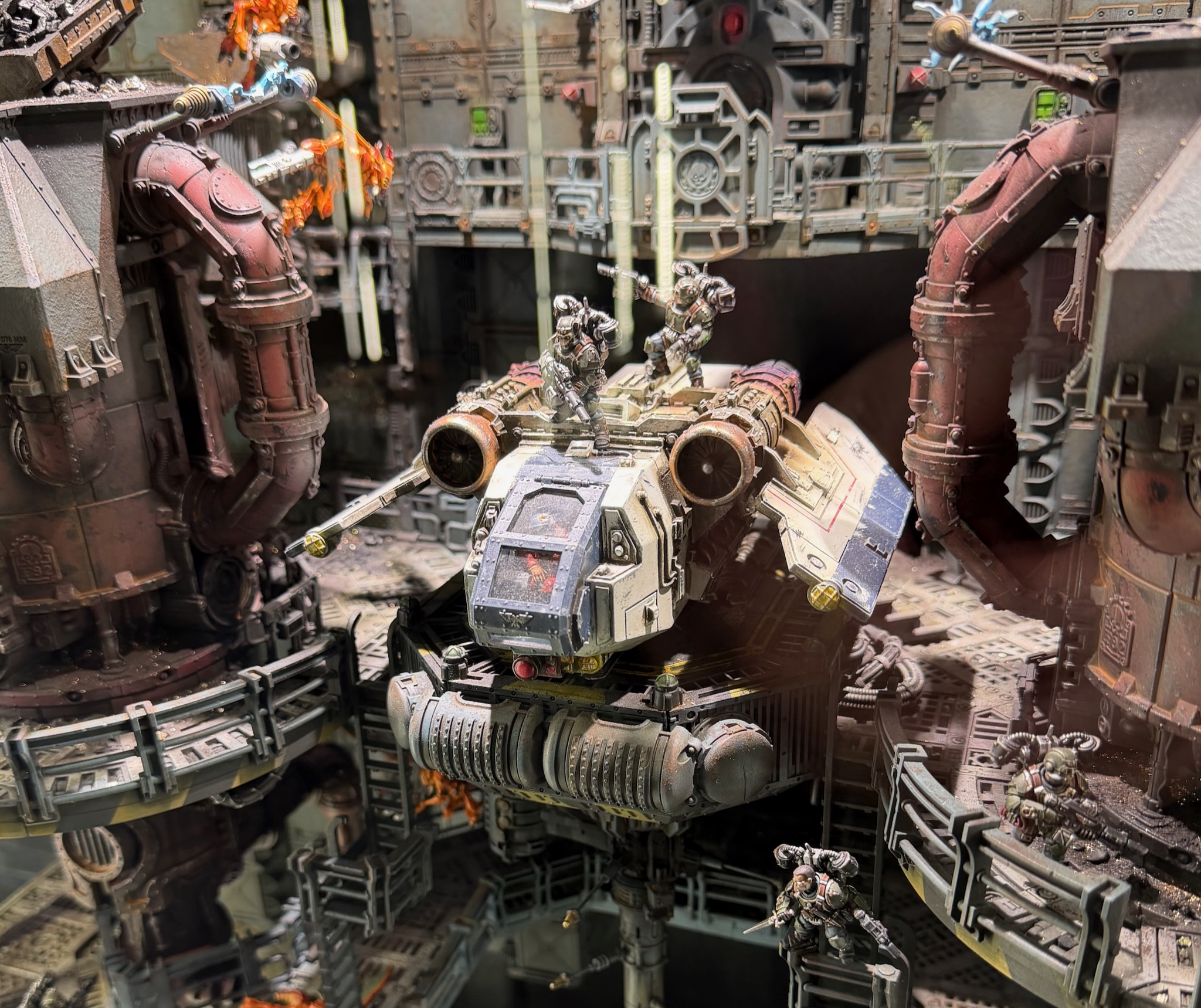
There were quite a few models of the Arvus Lighter at Warhammer World.
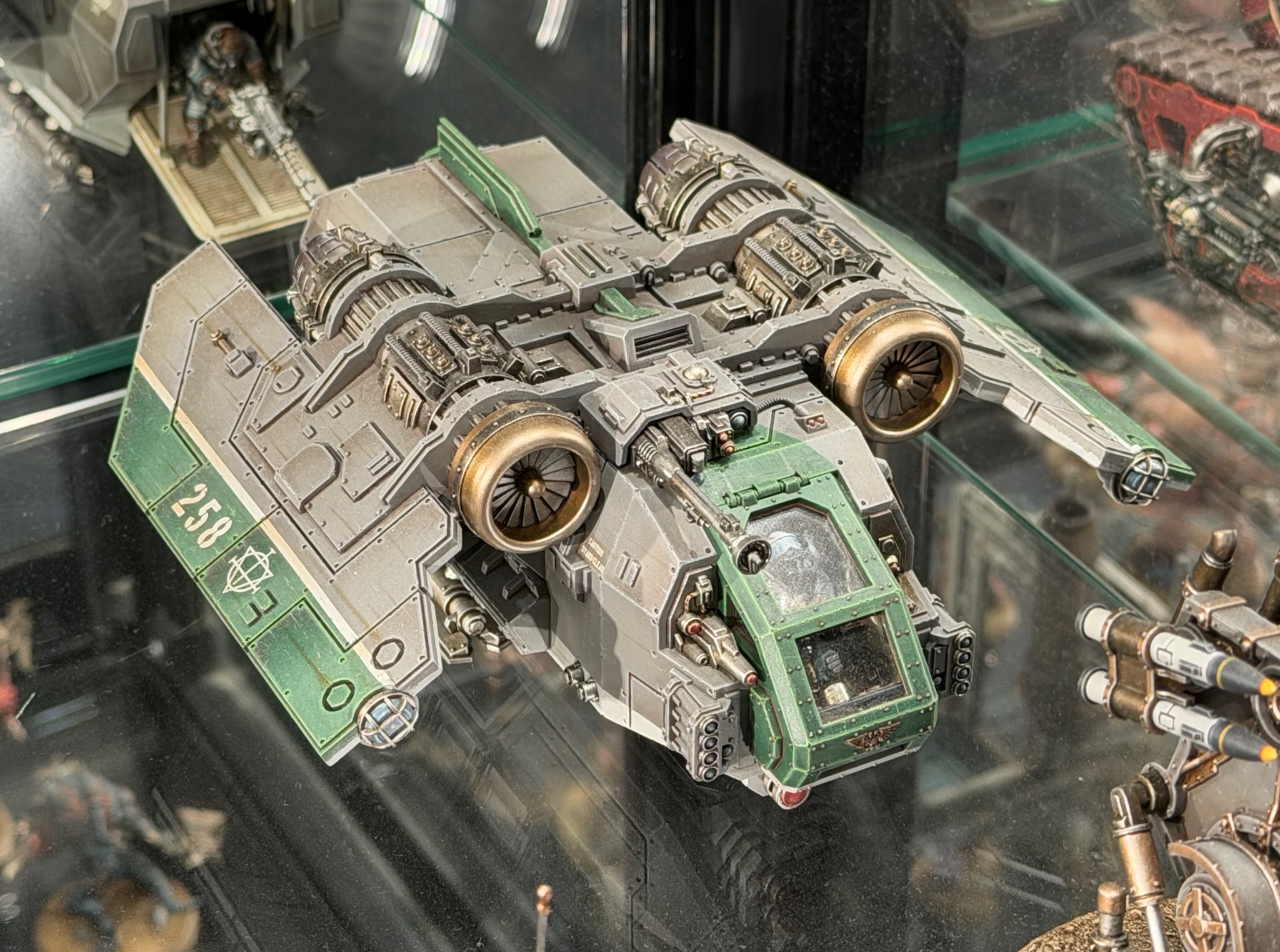
Serving as an essential workhorse for void-ships and planetary logistics across the Imperium of Man, the Arvus Lighter is a compact, unarmored cargo shuttle designed for raw utility.
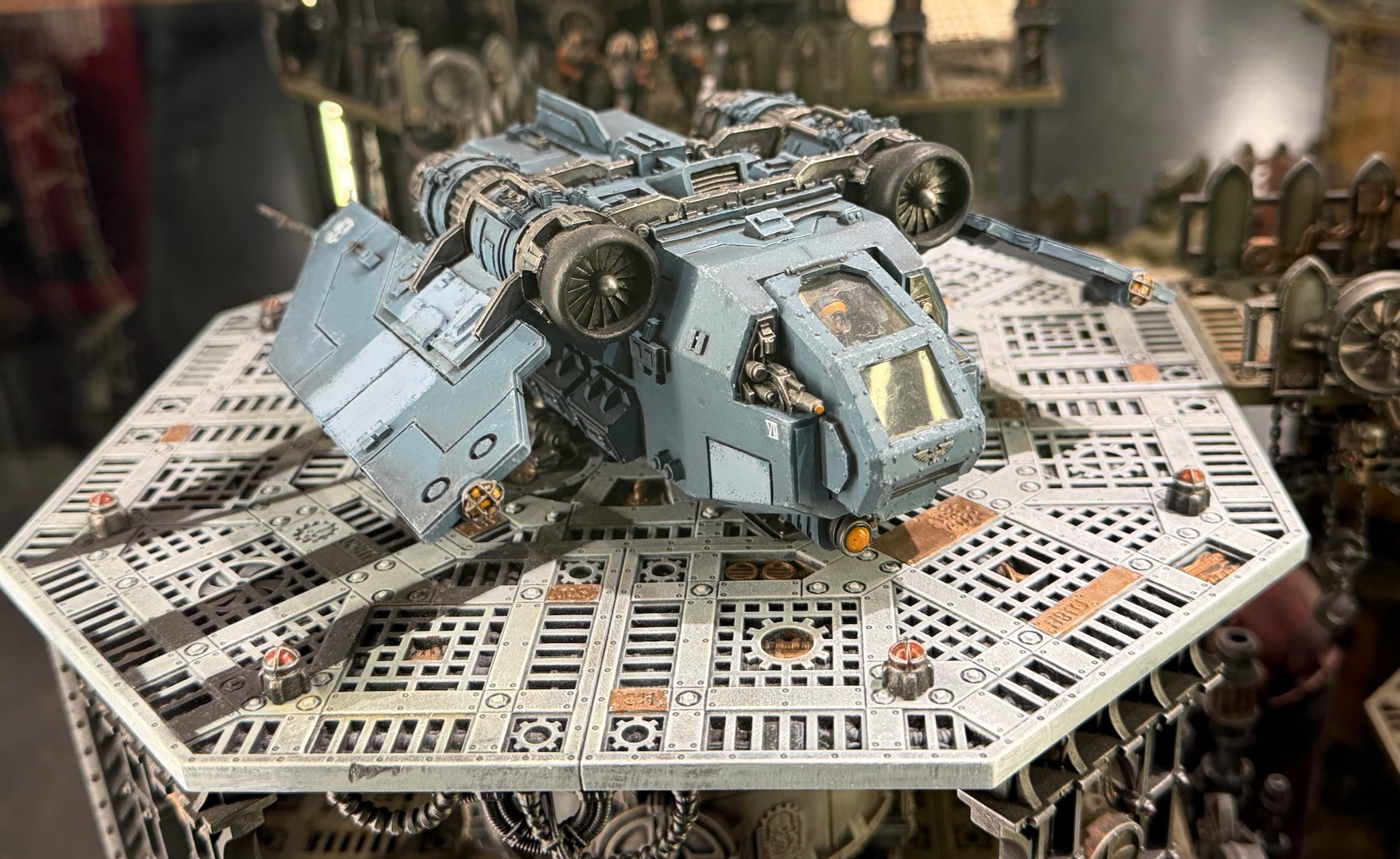
Commonly deployed aboard Imperial Navy warships, merchant vessels, and Rogue Trader fleets, this reliable shuttle handles routine short-range transport between orbital platforms and planetary surfaces.
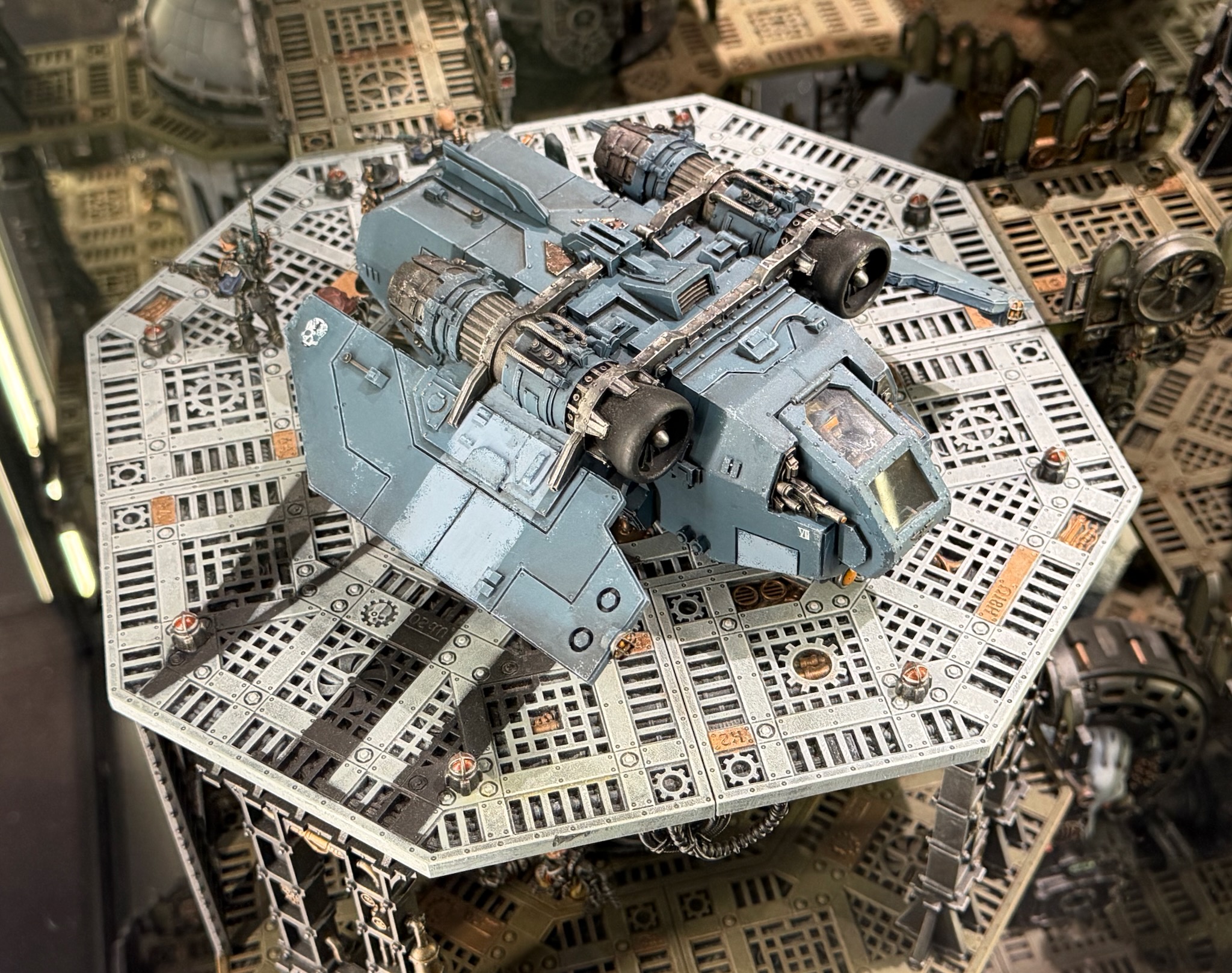
Piloted by a single crewman, the Arvus lacks any standard weapon systems and relies on only the most rudimentary navigational gear, external sensors, and proximity alarms.
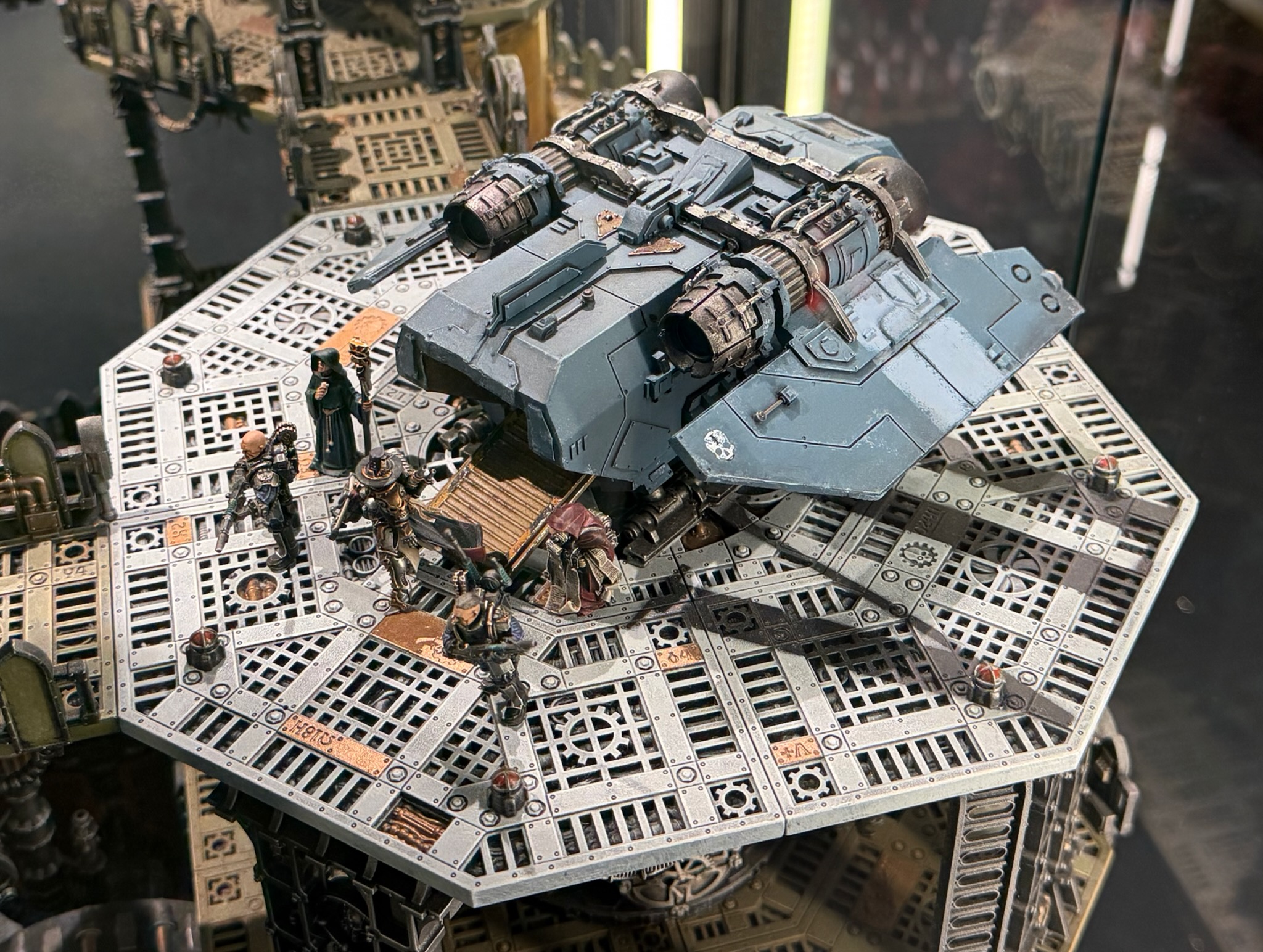
What it lacks in combat capability or advanced technology, however, it makes up for in pure hauling power: equipped with exceptionally potent thrusters, the Arvus easily carries heavy payloads, supplies, and personnel through dense atmospheres, ensuring the vital flow of material across the Emperor’s domain.

I do have an Arvus Lighter on the workbench, initially I thought of doing quiet a quick paint job, but then later I considered undertaking a more thorough job, and do a detailed inside.
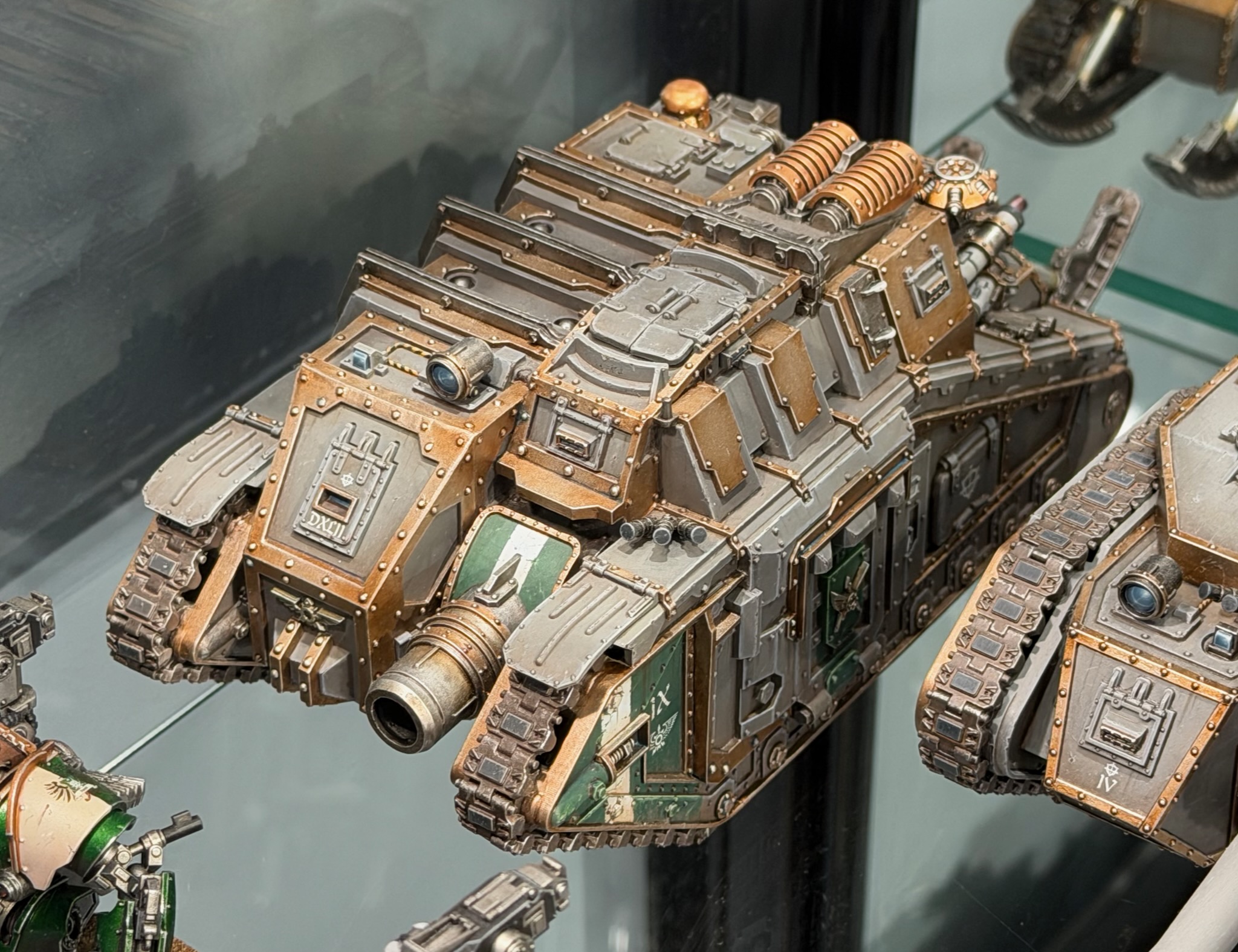
Solar Auxilia Dracosan Armoured Transport

Solar Auxilia Dracosan Armoured Transport

The Dracosan Armoured Transport is manufactured to standards only usually required of war machines destined for service with the Legiones Astartes. It is large enough to accommodate a full strength Solar Auxilia Infantry Section of twenty auxiliaries, and heavily armoured enough to protect them from intense enemy fire.

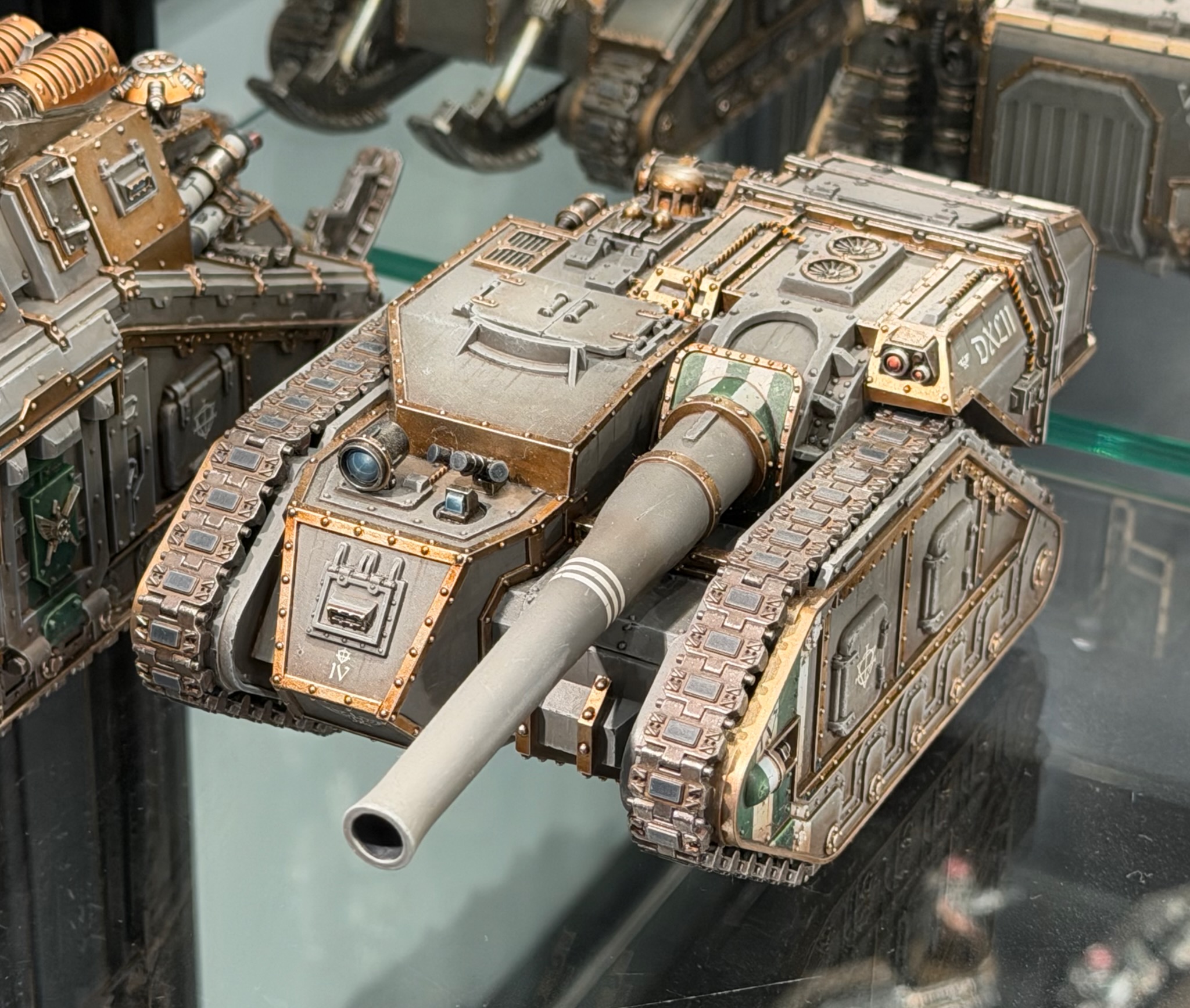
Solar Auxilia Basilisk

Many Solar Auxilia Cohorts maintain their own mobile artillery batteries, favouring a class ideally suited to their particular battle doctrines.

Firing from long distance, the Basilisk  can lay down a fearsome barrage ahead of the advancing ranks of the Solar Auxilia. Their hulls, derived from the Solar pattern Leman Russ, offer enhanced protection from enemy weapons and can equip a pintle-mounted weapon such as the ubiquitous multi-laser, adding a close quarters defence capability should enemy infantry advance too near.

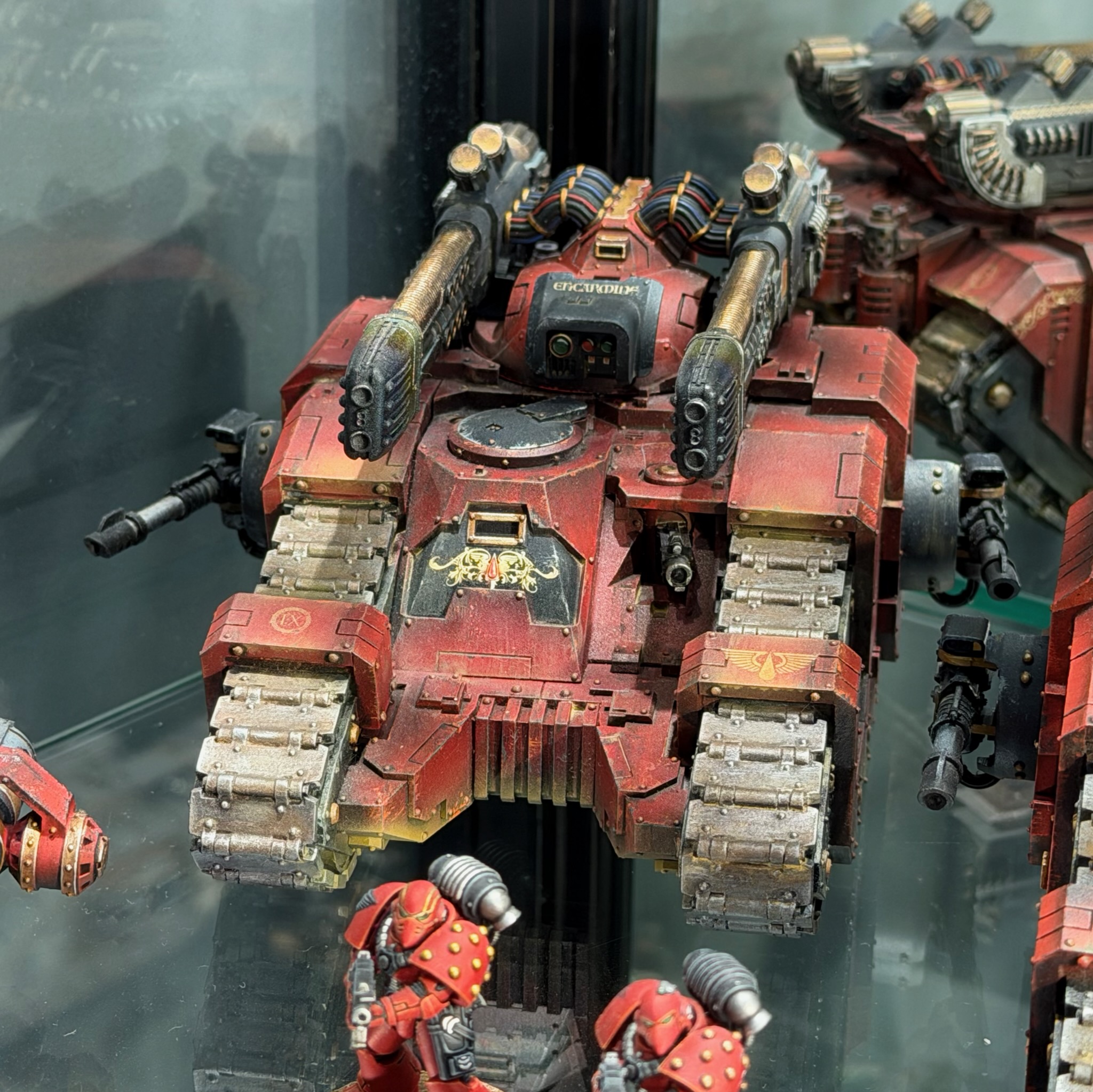
Sicaran Omega Tank Destroyer

Leveraging the blistering speed and manoeuvrability of the core Sicaran chassis, the Sicaran Omega Tank Destroyer is a ruthless predator engineered specifically to hunt down and obliterate heavy enemy armour.

Sicaran Omega Tank Destroyer

Operating as a fast-attack ambusher, the Omega uses its powerful engines to close the distance rapidly before unleashing the devastating, short-range thermal force of its turret-mounted plasma array. Though the weapon system itself is a crude, retrofitted imitation of the Mechanicum’s more refined plasma technologies, its sheer output is undeniable—capable of burning through heavy hull plating and reducing lumbering siege tanks to smouldering, slagged wrecks in a single volley. For the Legiones Astartes, the Sicaran Omega represents the ultimate synthesis of high-speed tactical insertion and brutal, anti-tank firepower.

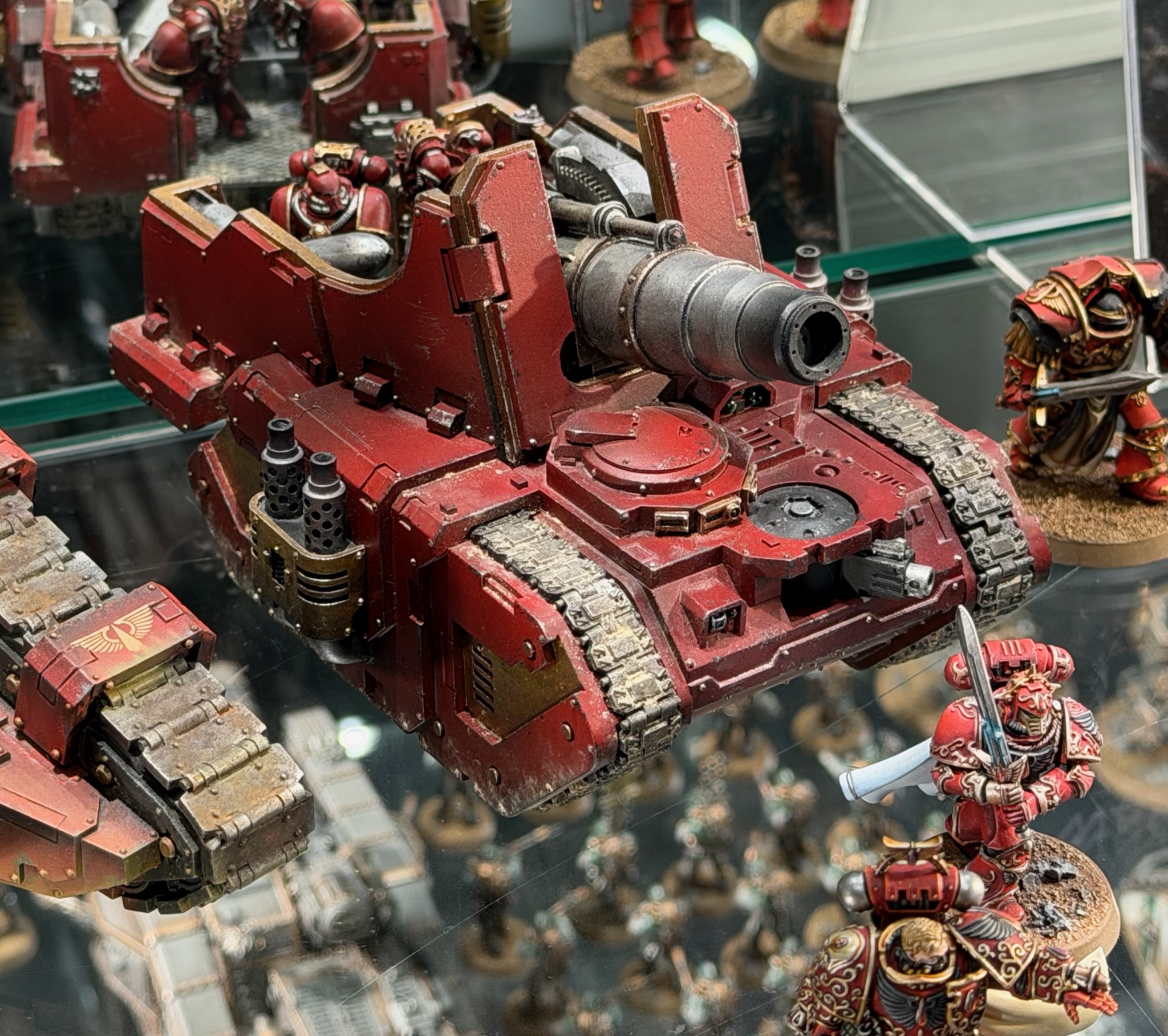
Blood Angels Legion Medusa

Blood Angels Legion Medusa

One of the heavy artillery units available to the Legiones Astartes is the Medusa, which carries a short ranged but extremely powerful siege mortar capable of breaching all but the thickest walls. When a breach has been secured, the Medusa will then rumble forwards to support the assault, levelling buildings with a single shell.

Painting the Whirlwind Missile Tank

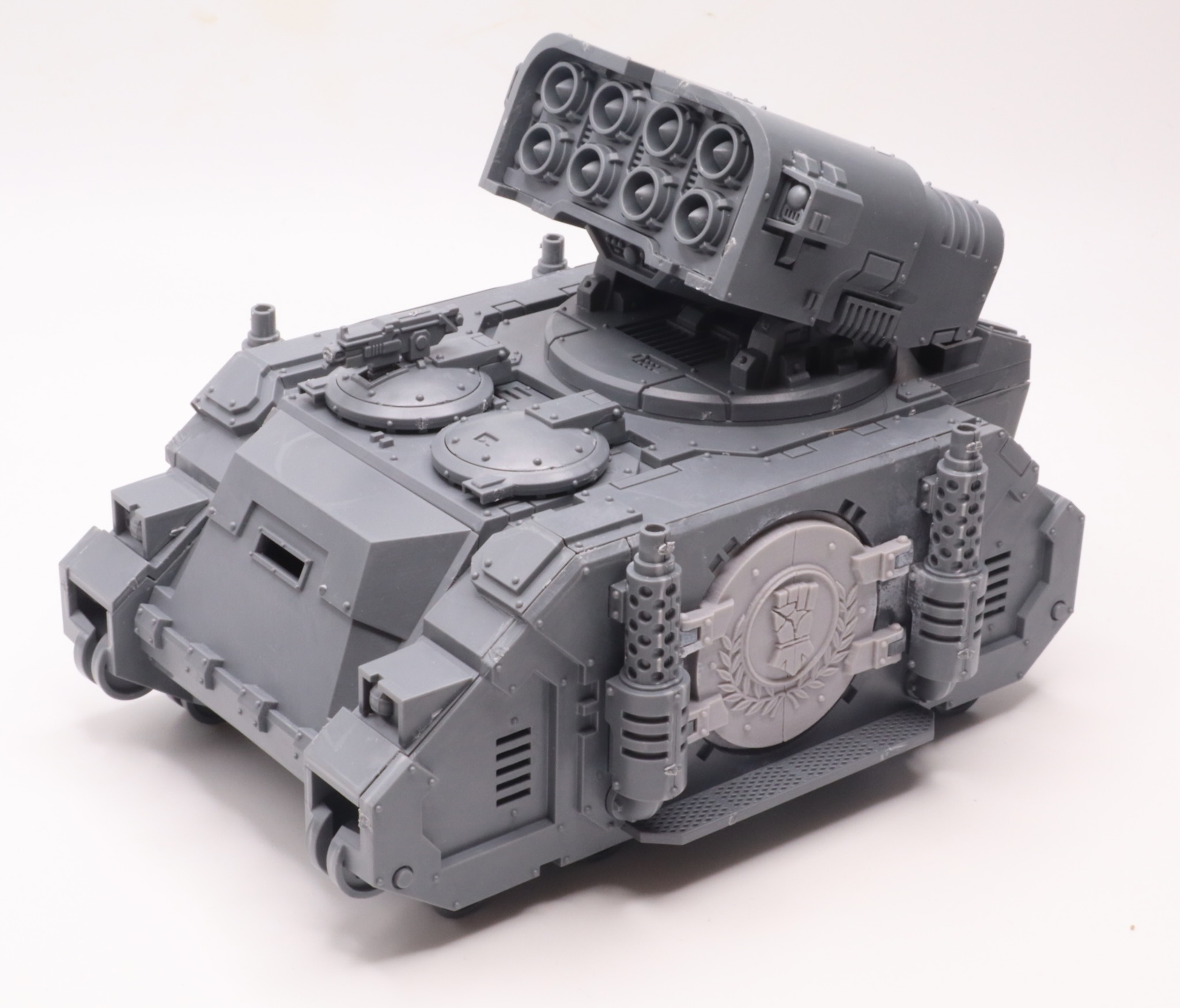
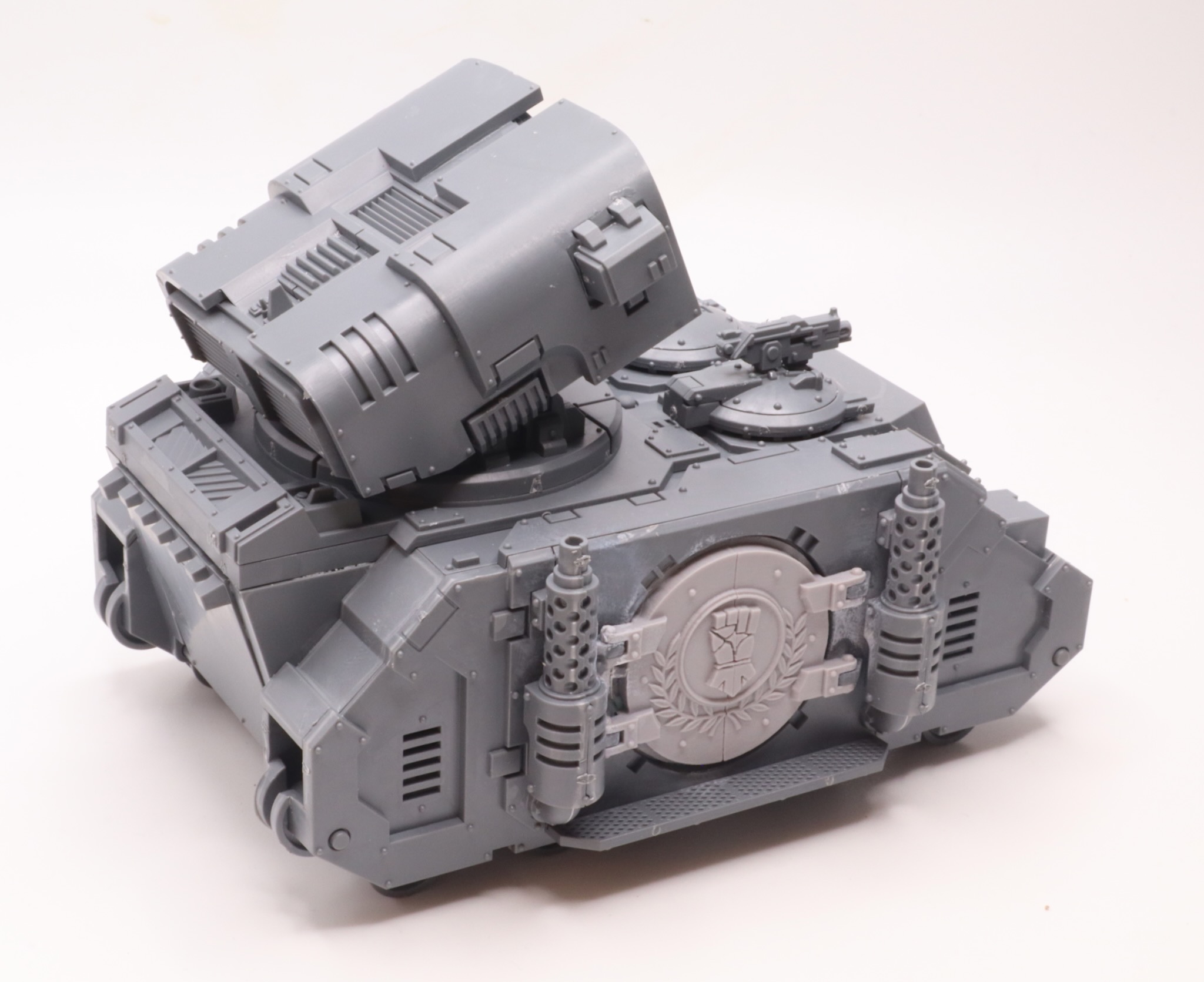
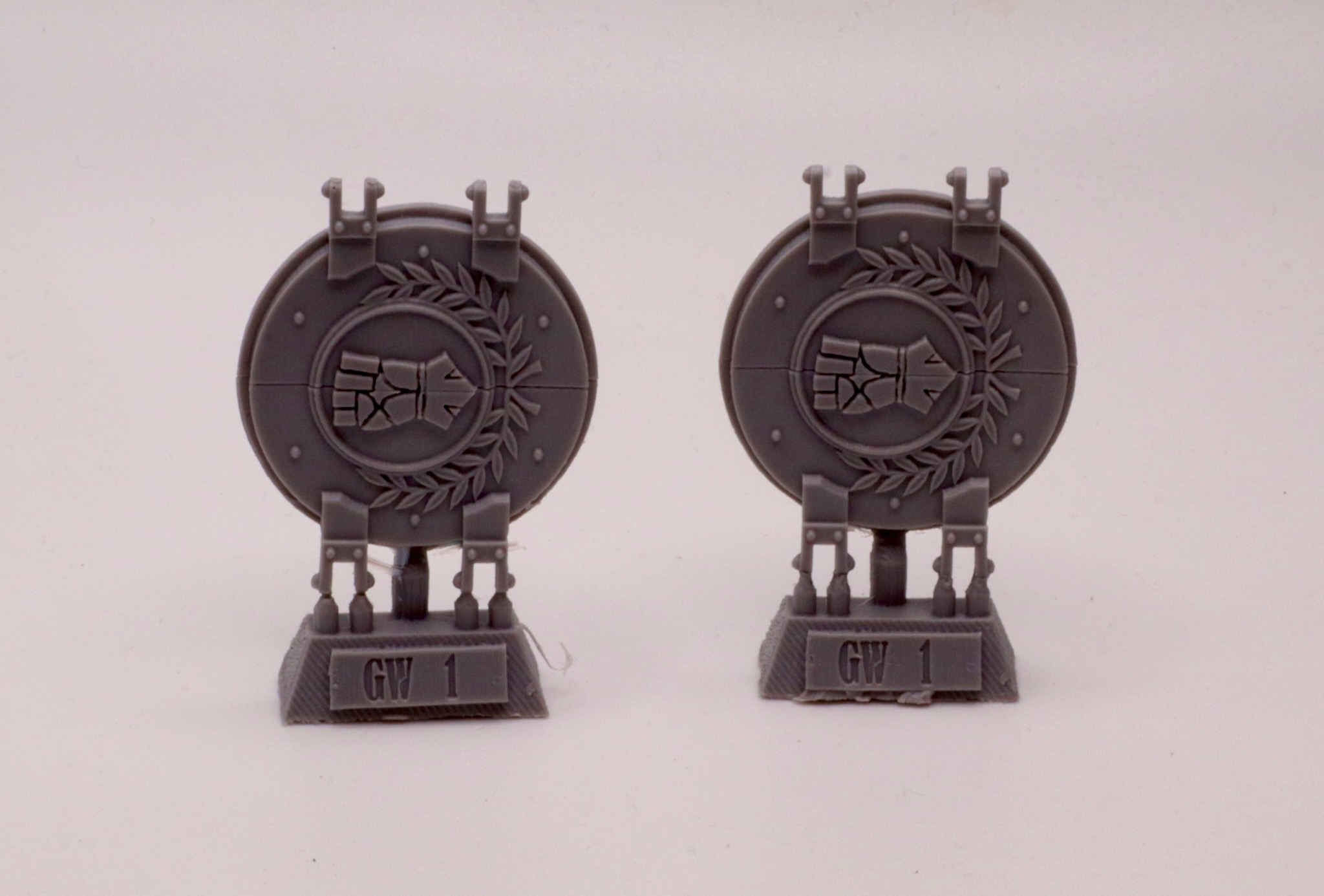
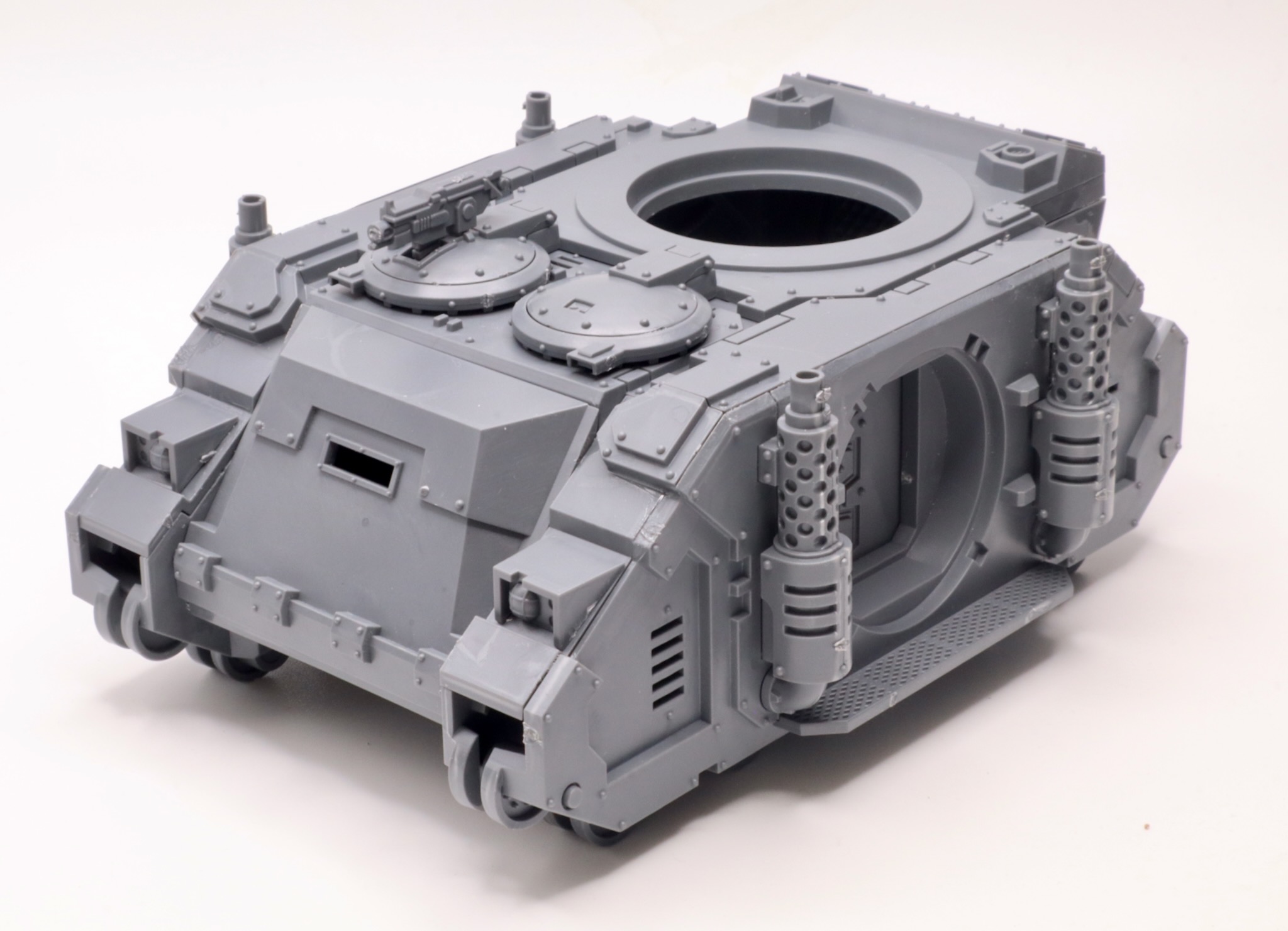
I did go out and order the new Warhammer: The Horus Heresy – Whirlwind Missile Tank. This new model reflects the original conversion from 1989. The original Whirlwind was a conversion using a slottabase and plasticard for the rocket launcher. I have always preferred the original conversion to the newer versions, so it should be no surprise that I ordered one. In addition I have some doors for it already as well, on a recent visit to Warhammer World I picked up some Forge World Imperial Fists Rhino Doors. Having constructed the core of the  model, the next step was the main weaponry. I primed the model of the Whirlwind Missile Tank.

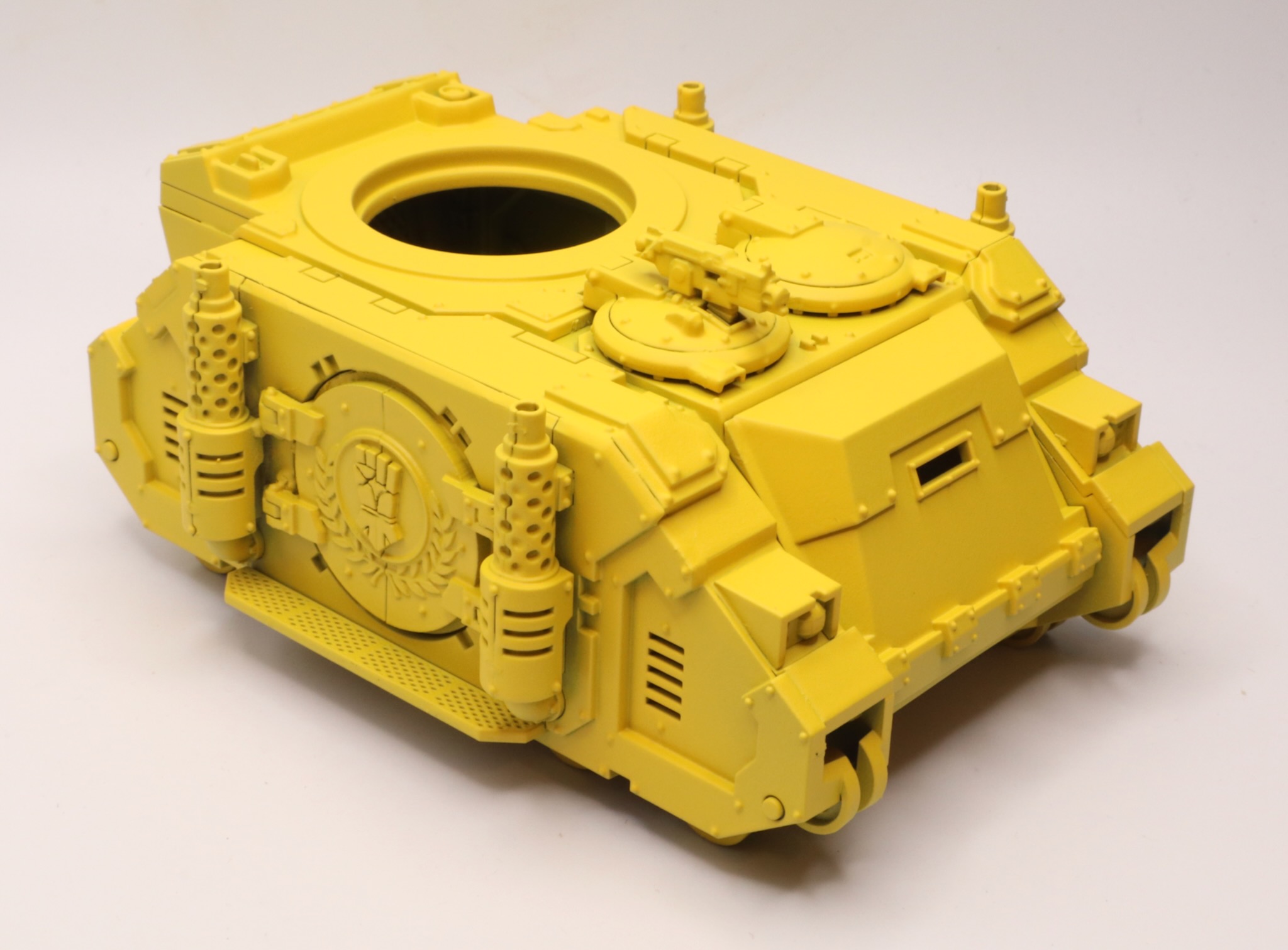
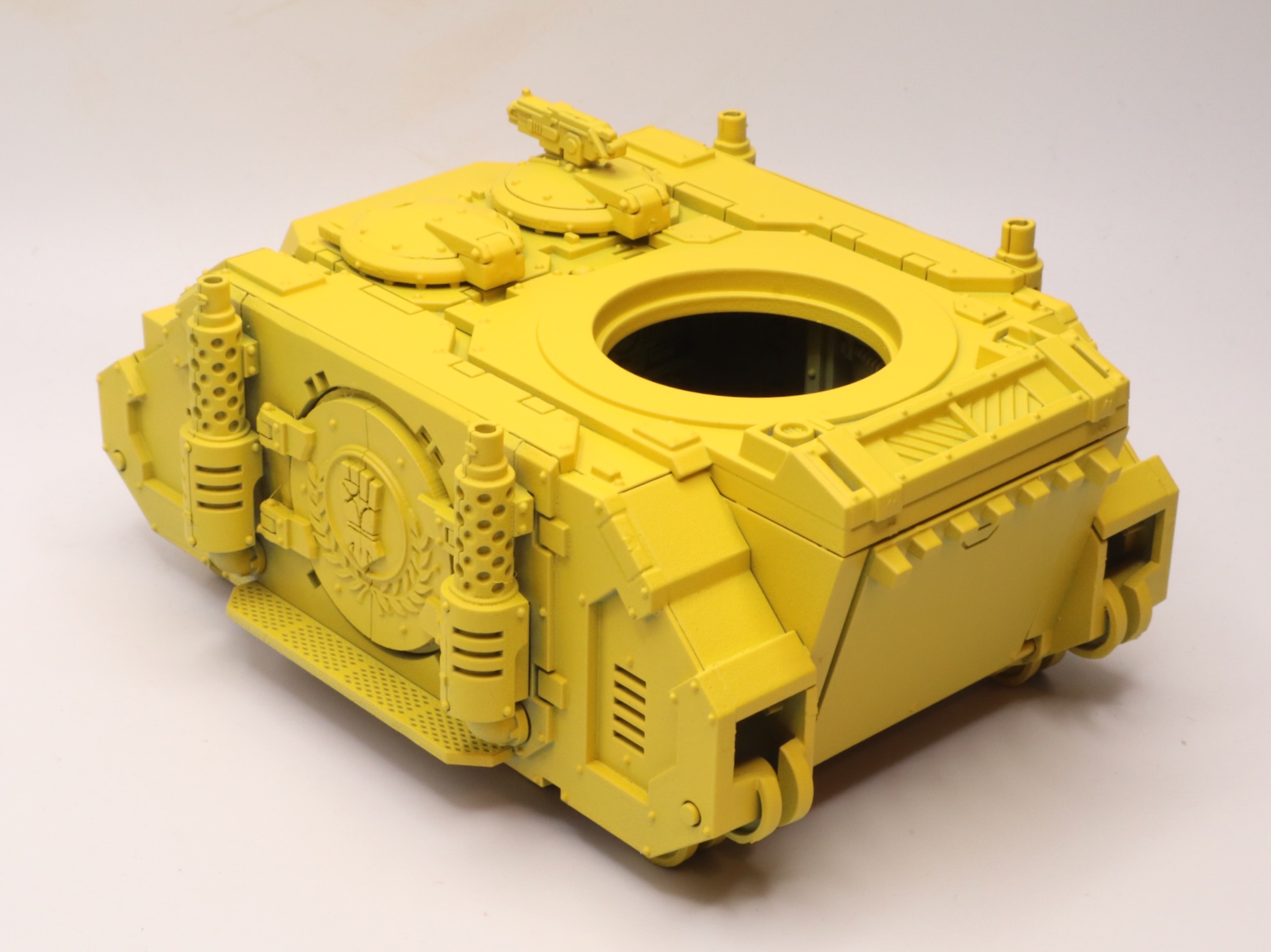
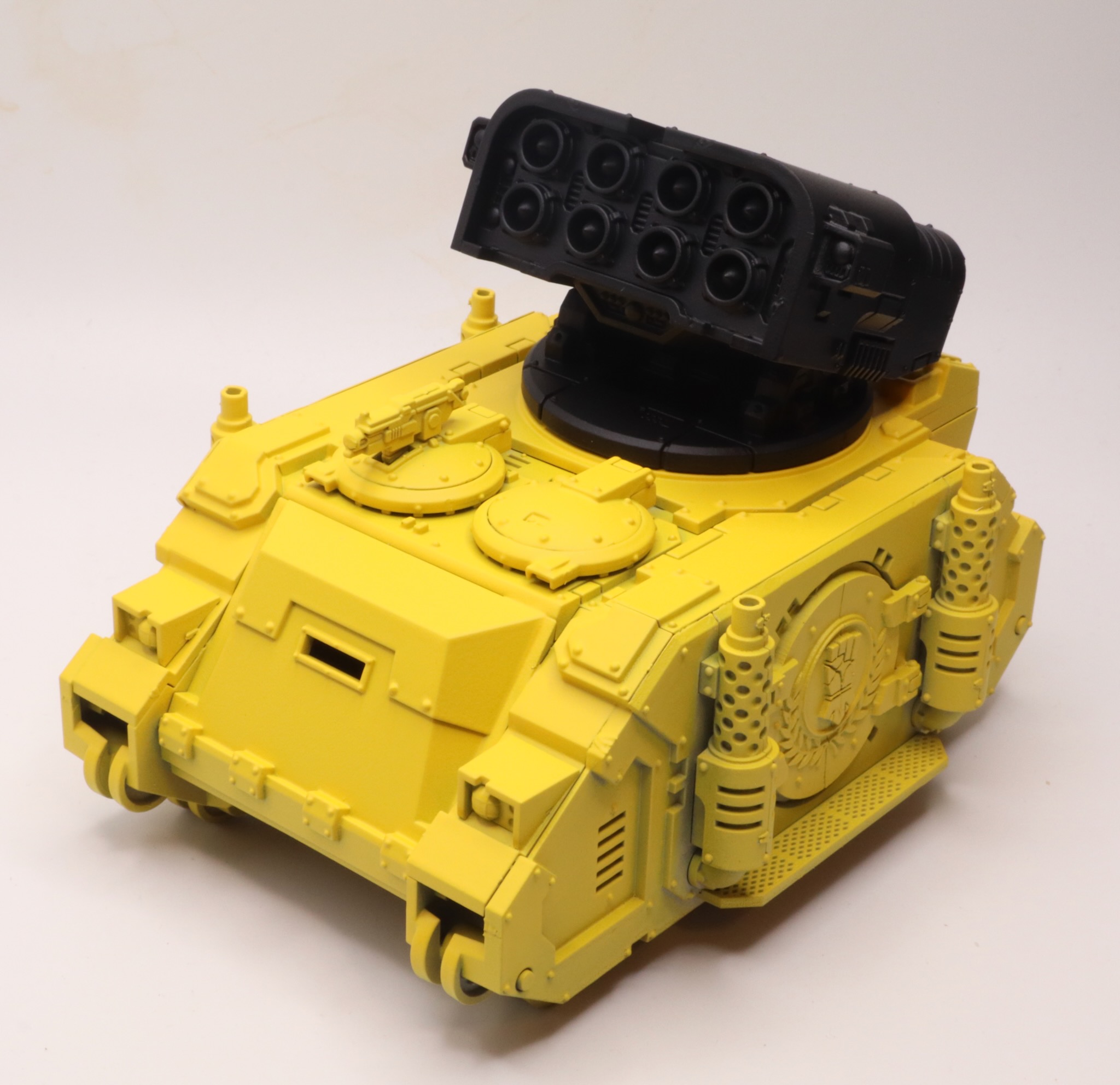
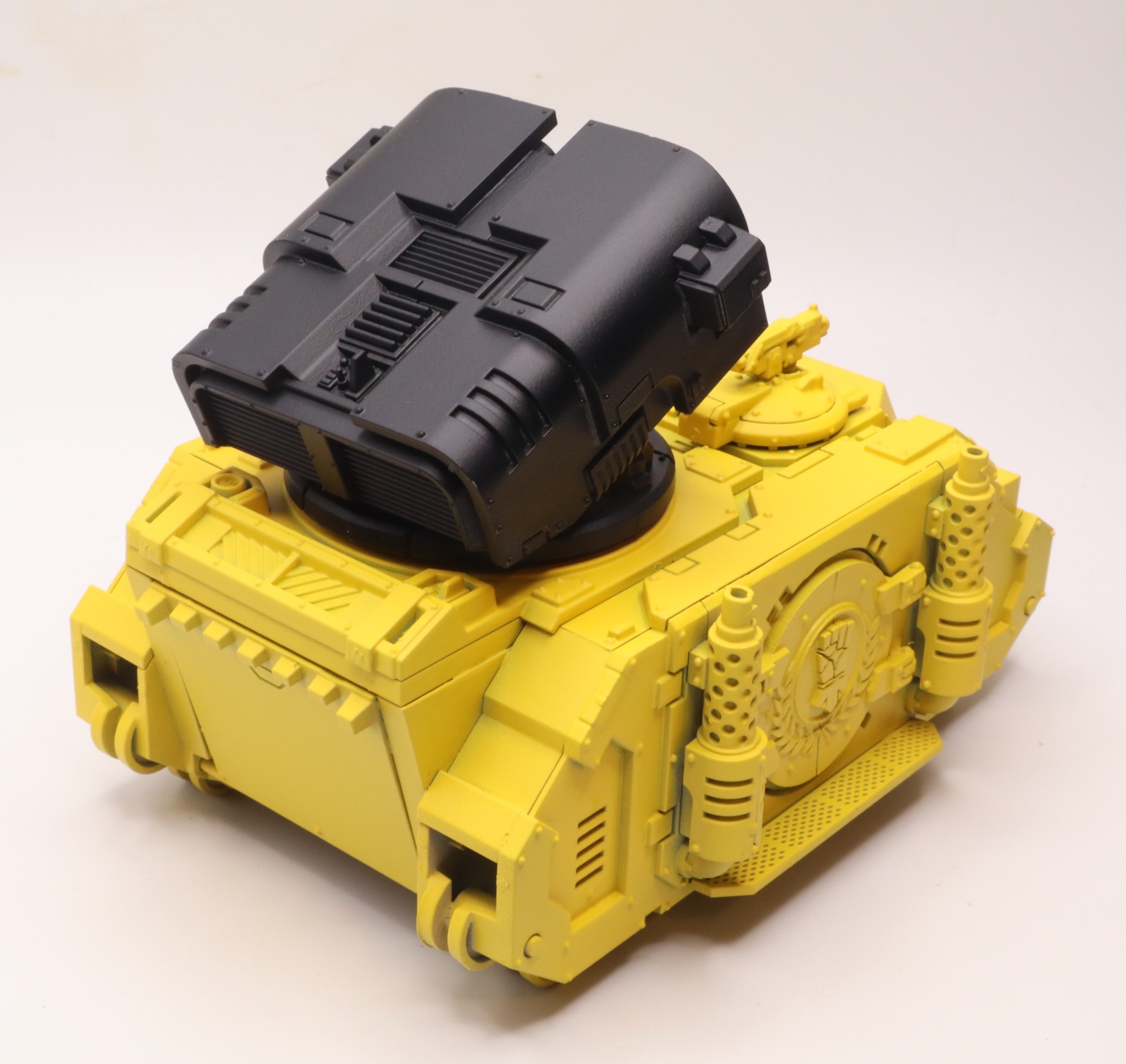
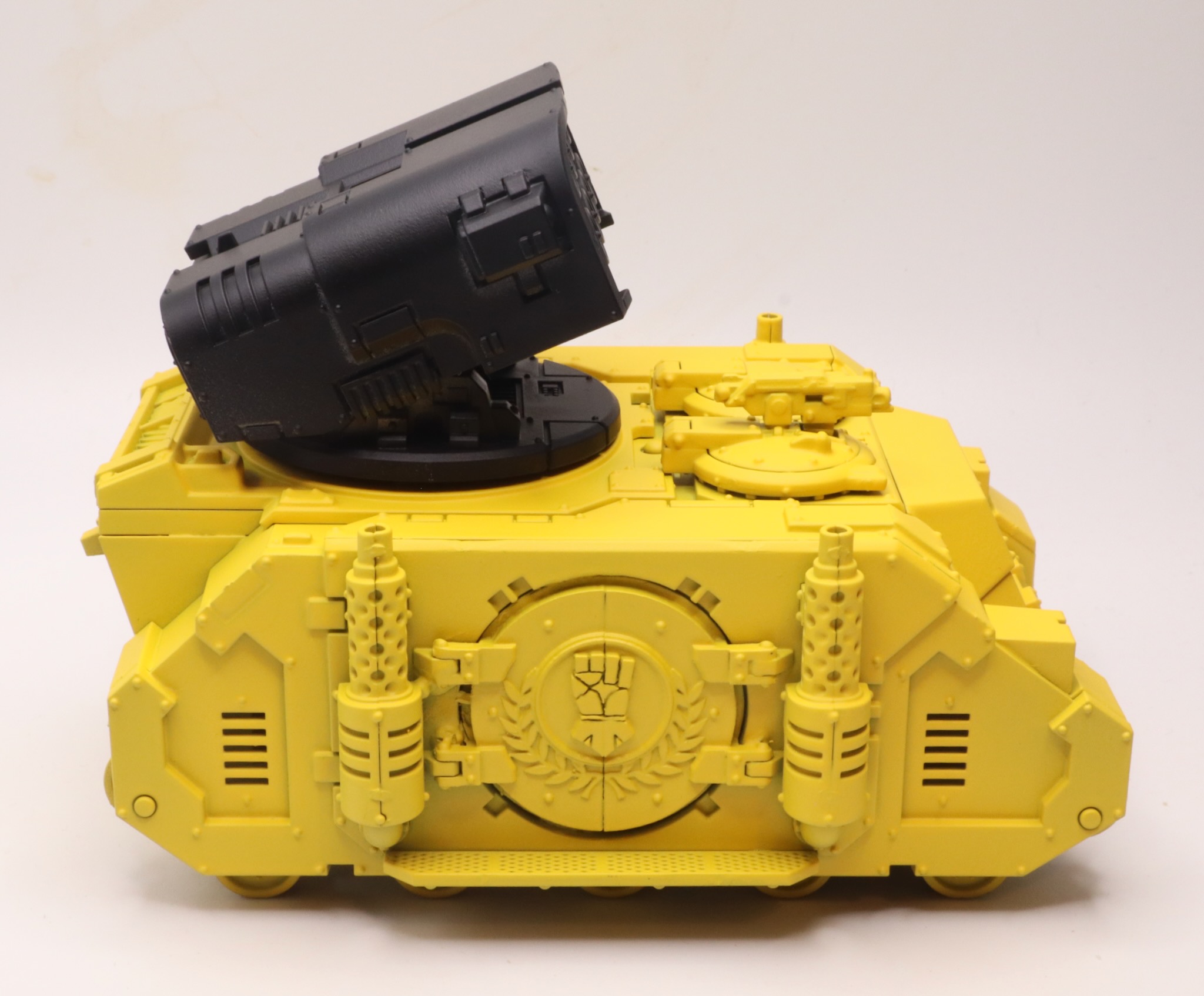
I spray painted the model of the Whirlwind Missile Tank in different ways.

The main body of the Whirlwind’s Missile Tank was given a base coat of Daemonic Yellow spray from Army Painter.

Games Workshop don’t do a yellow spray and I don’t have an airbrush. I did use a paint comparison site to find a close alternative to Yriel Yellow. The Daemonic Yellow spray from Army Painter seemed like a good choice.

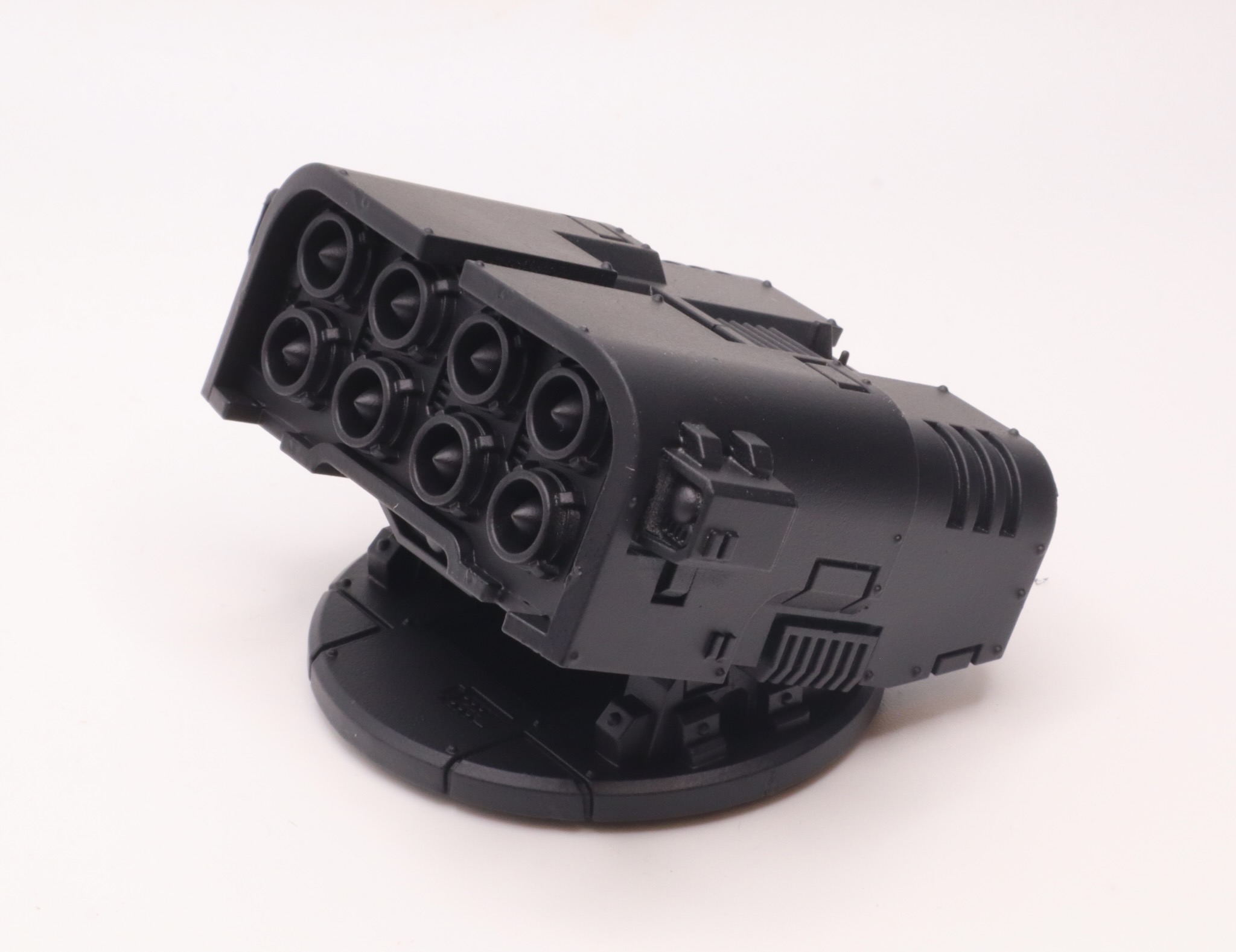
The weapon system had a black base coat.

Here is the base coated model.

The next stage will be shading the main body.

Priming and painting the Whirlwind Missile Tank

I did go out and order the new Warhammer: The Horus Heresy – Whirlwind Missile Tank. This new model reflects the original conversion from 1989. The original Whirlwind was a conversion using a slottabase and plasticard for the rocket launcher. I have always preferred the original conversion to the newer versions, so it should be no surprise that I ordered one. In addition I have some doors for it already as well, on a recent visit to Warhammer World I picked up some Forge World Imperial Fists Rhino Doors. Having constructed the core of the  model, the next step was the main weaponry.

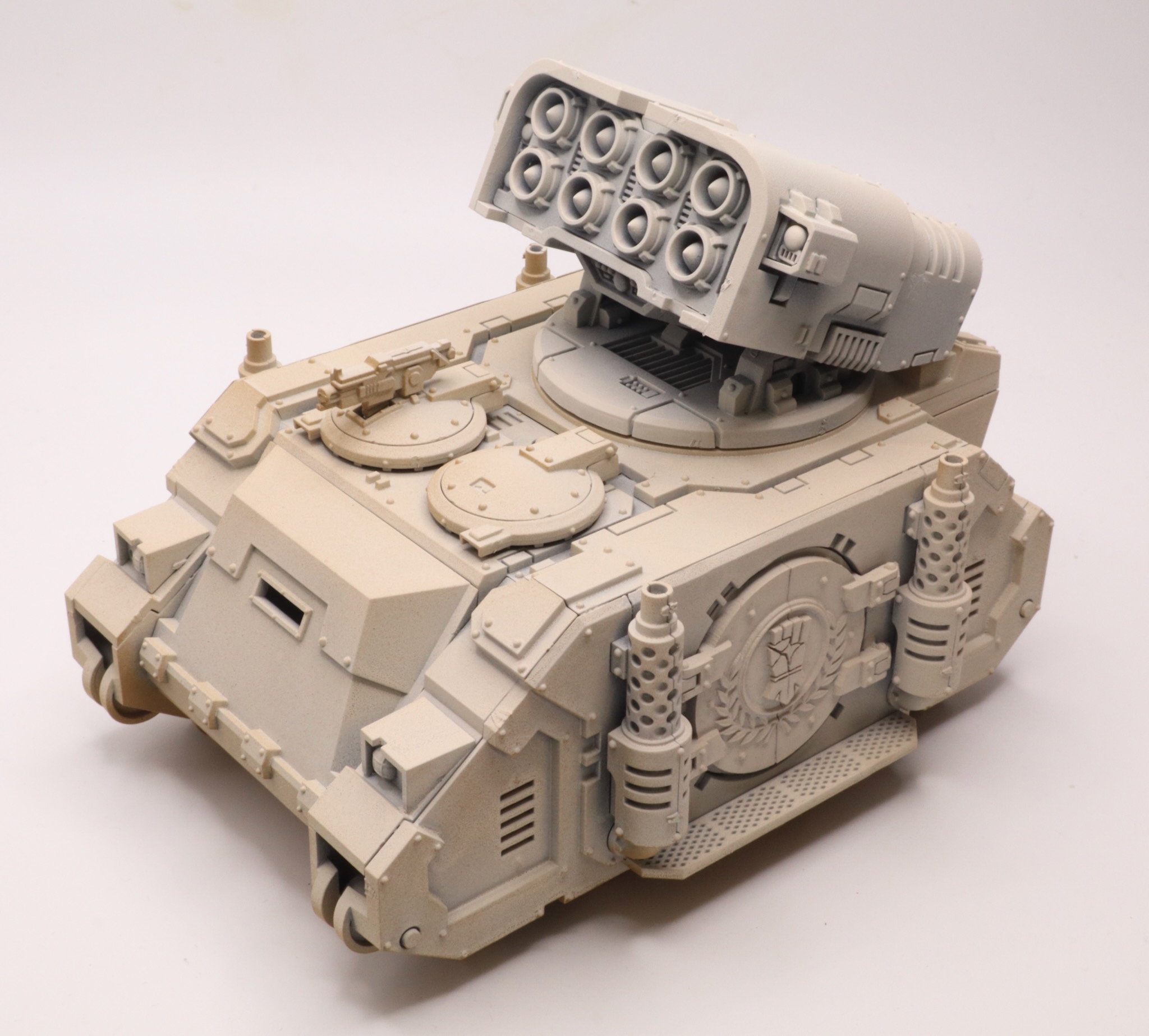
I primed and spray painted the model of the Whirlwind Missile Tank in different ways. The main body of the Whirlwind’s Missile Tank was given a light undercoat of Wraithbone.

I then sprayed the underneath of the model with Zandri Dust to give the underneath of the model shadow.

The next step will then be a base coat of Daemonic Yellow spray from Army Painter. Games Workshop don’t do a yellow spray and I don’t have an airbrush. I did use a paint comparison site to find a close alternative to Yriel Yellow. The Daemonic Yellow spray from Army Painter seemed like a good choice.

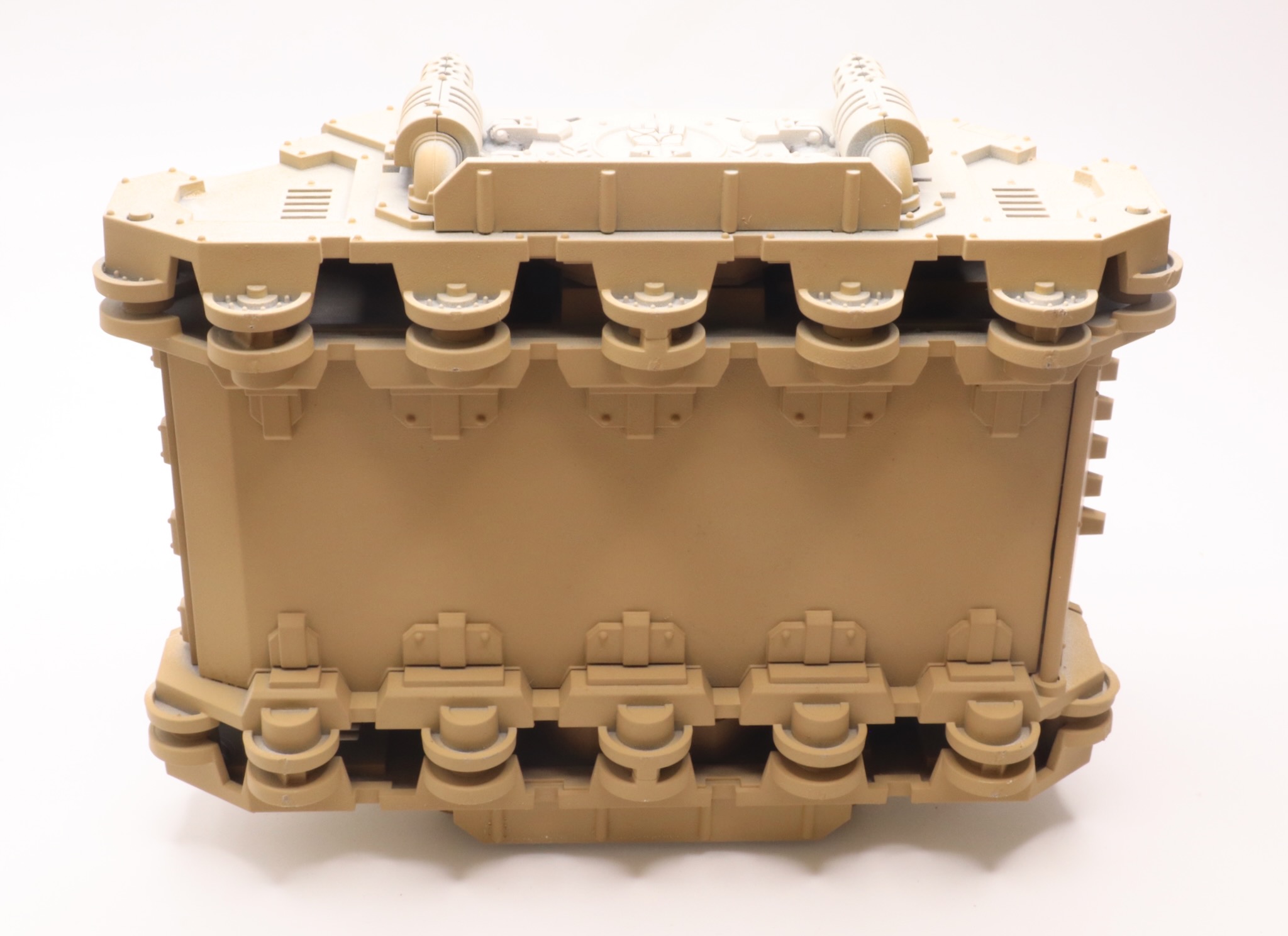
The tracks were giving a light undercoat of Wraithbone before then giving them a spray of Mechanicus Grey.

The weapon system also had a light undercoat of Wraithbone.

The next stage for the weapon system will be a black base coat.

Here is the primed model, well without the tracks.

Constructing the Whirlwind Missile Tank automated multiple-missile launcher system

I did go out and order the new Warhammer: The Horus Heresy – Whirlwind Missile Tank. This new model reflects the original conversion from 1989. The original Whirlwind was a conversion using a slottabase and plasticard for the rocket launcher. I have always preferred the original conversion to the newer versions, so it should be no surprise that I ordered one. In addition I have some doors for it already as well. On a recent visit to Warhammer World I picked up some Forge World Imperial Fists Rhino Doors.

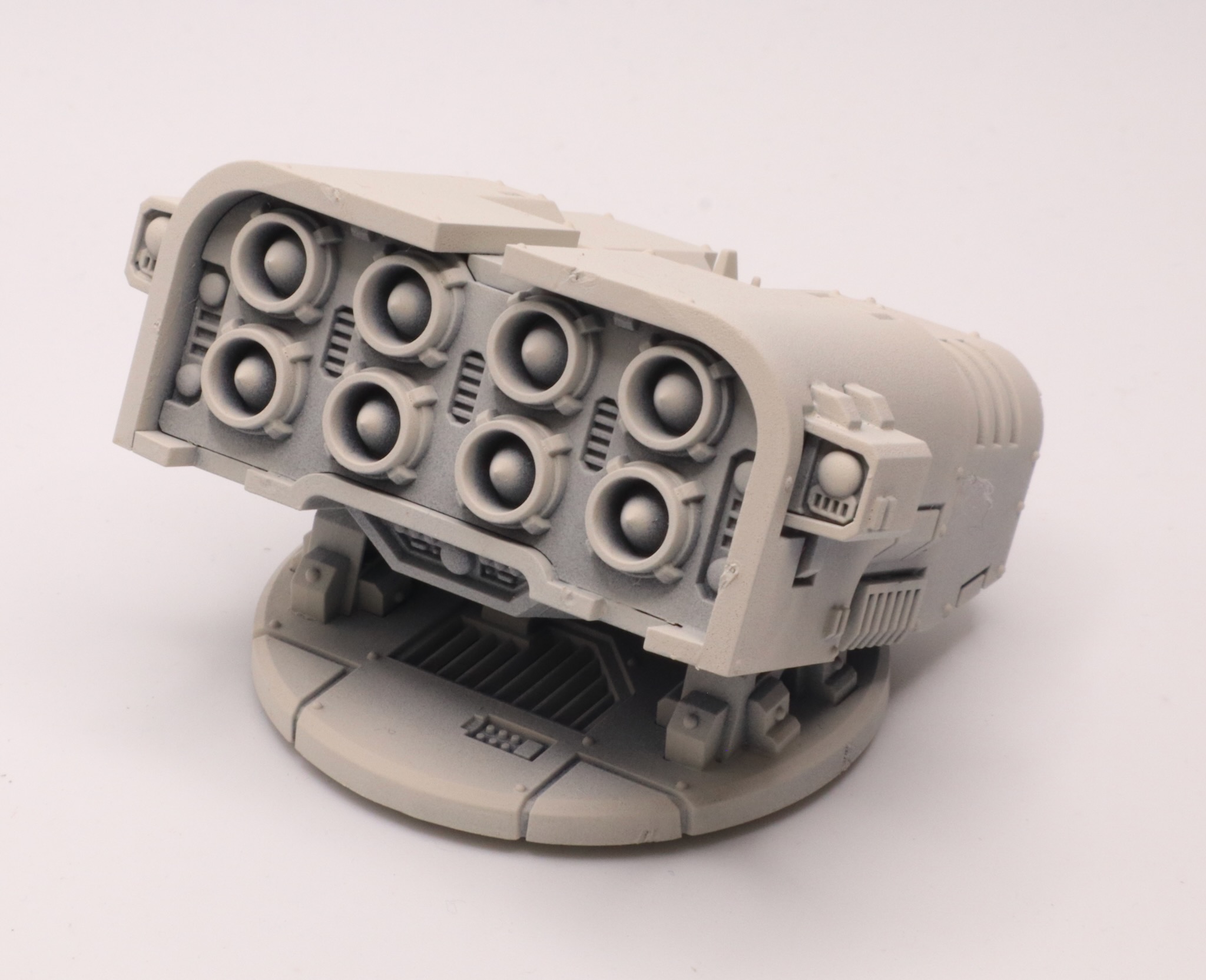
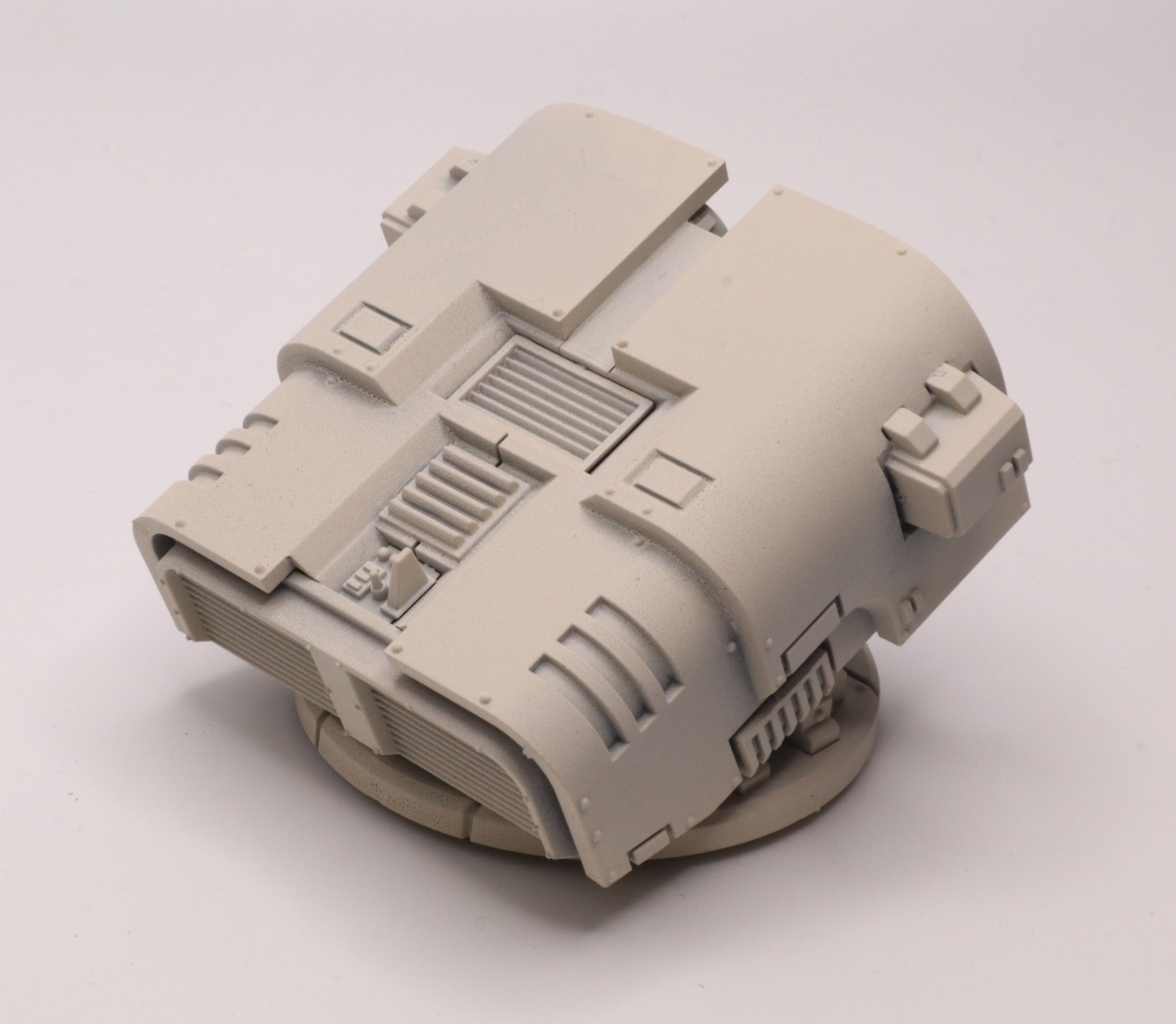
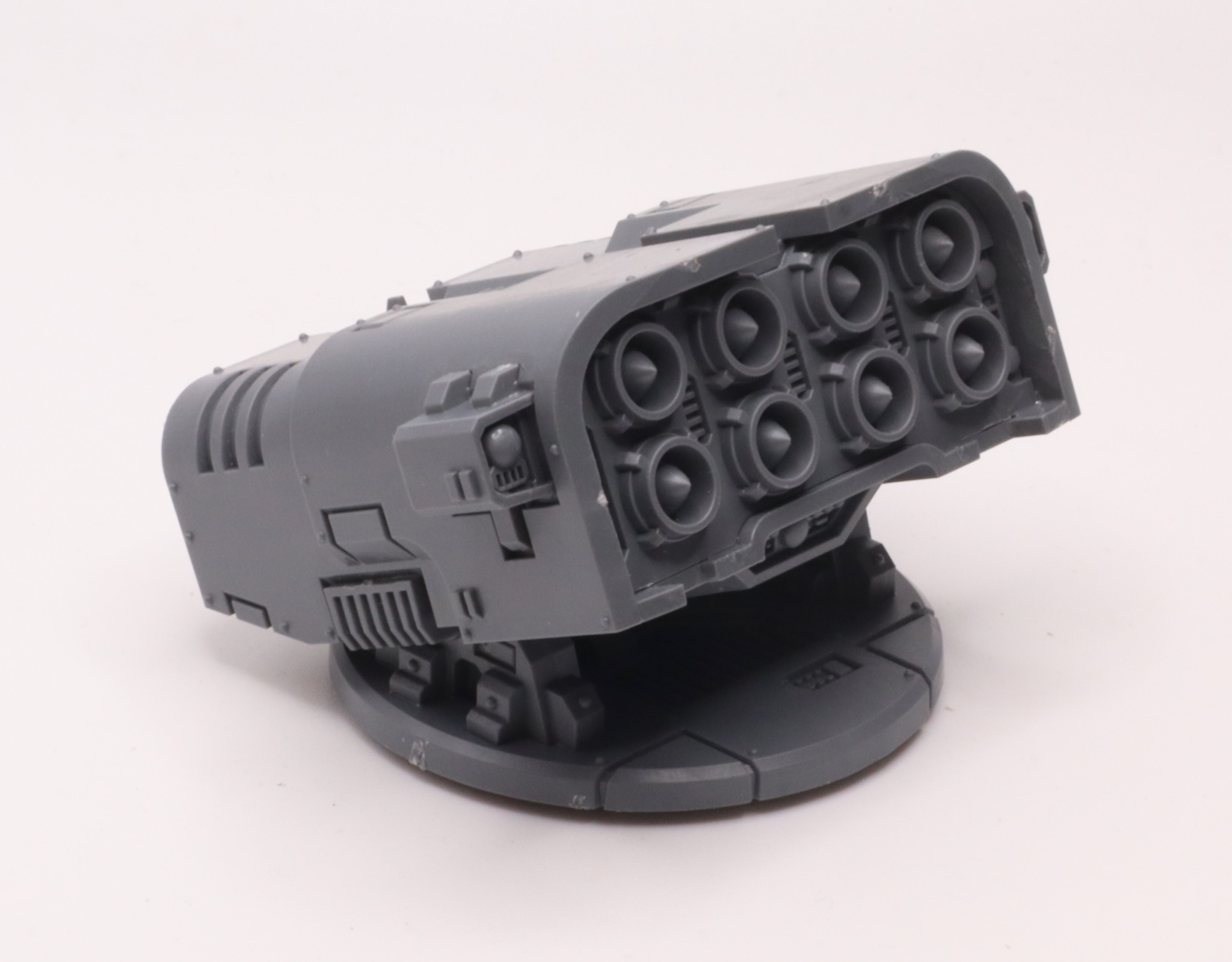
Having constructed the core of the  model, the next step was the main weaponry. The Whirlwind comes with an automated multiple-missile launcher system. The kit comes with an extra sprue for the launcher system.

This then sits upon the hull, however for painting purposes I am going to keep it detached.

The pictures on the Warhammer site (and the box) have the Imperial Fists automated multiple-missile launcher system in black.

I think I will try and replicate that look with my model.

Constructing the Whirlwind Missile Tank

I did go out and order the new Warhammer: The Horus Heresy – Whirlwind Missile Tank.

The Whirlwind Missile Tank is a certified Legiones Astartes classic, seamlessly marrying the rugged dependability of the venerable Rhino chassis with an automated multiple-missile launcher system. Designed to provide devastating fire support from behind cover, it rains down apocalyptic storms of explosive warheads onto entrenched enemy positions without ever needing direct line of sight. This terrifying artillery piece owes its deadly precision to a suite of sophisticated range-finding and targeting auspexes integrated directly into the launch assembly.

This new model reflects the original conversion from 1989. The original Whirlwind was a conversion using a slottabase and plasticard for the rocket launcher. I have always preferred the original conversion to the newer versions, so it should be no surprise that I ordered one.

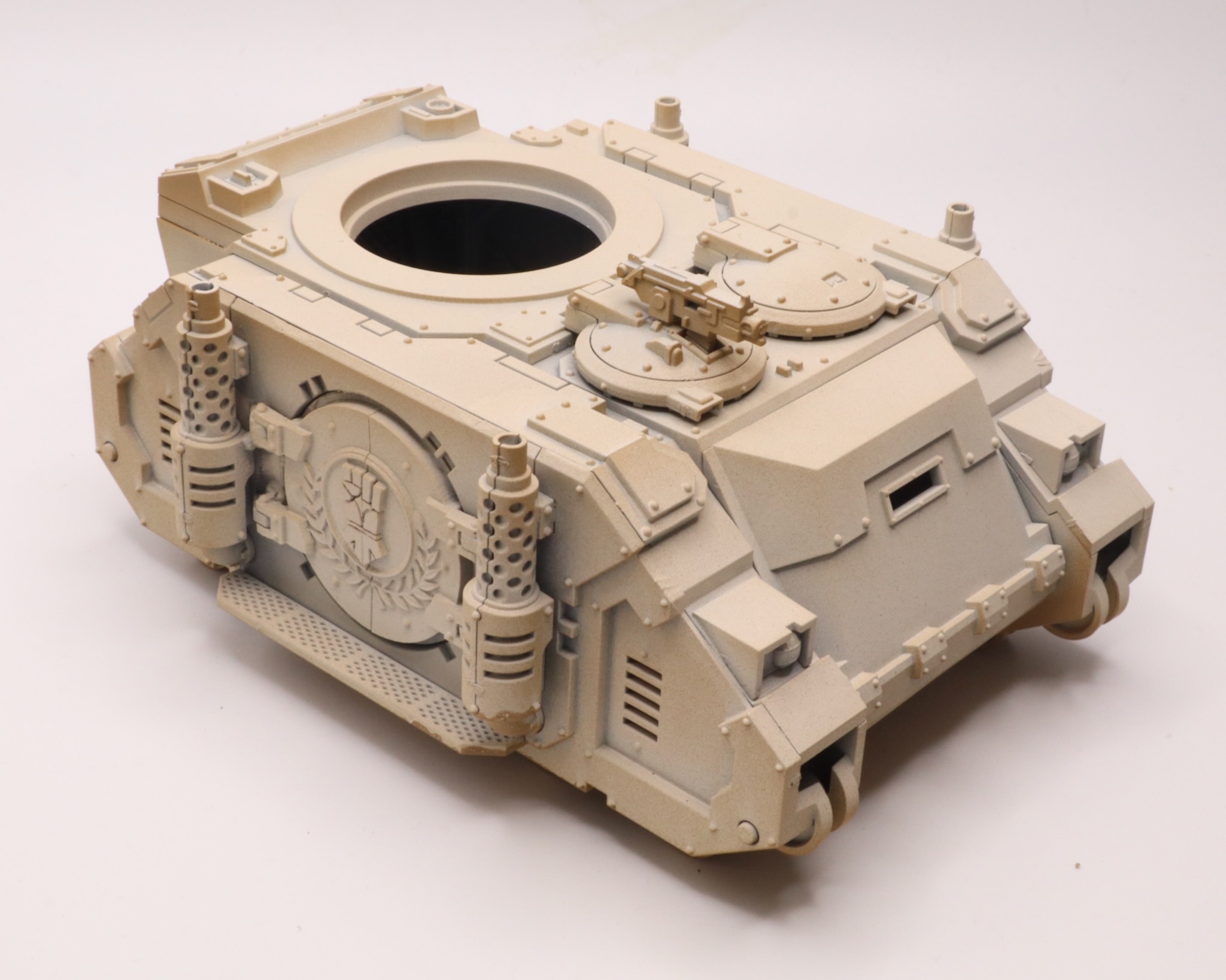
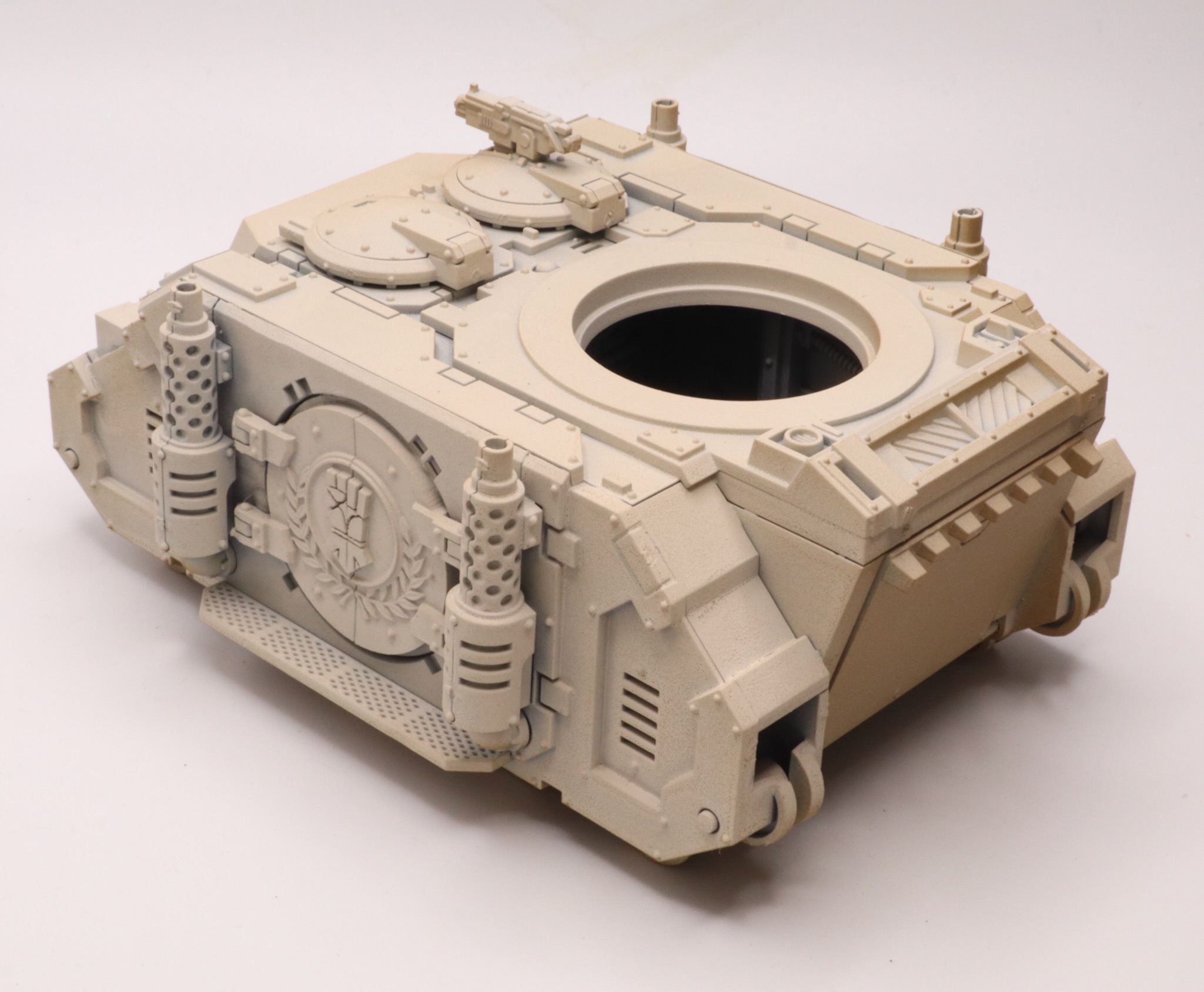
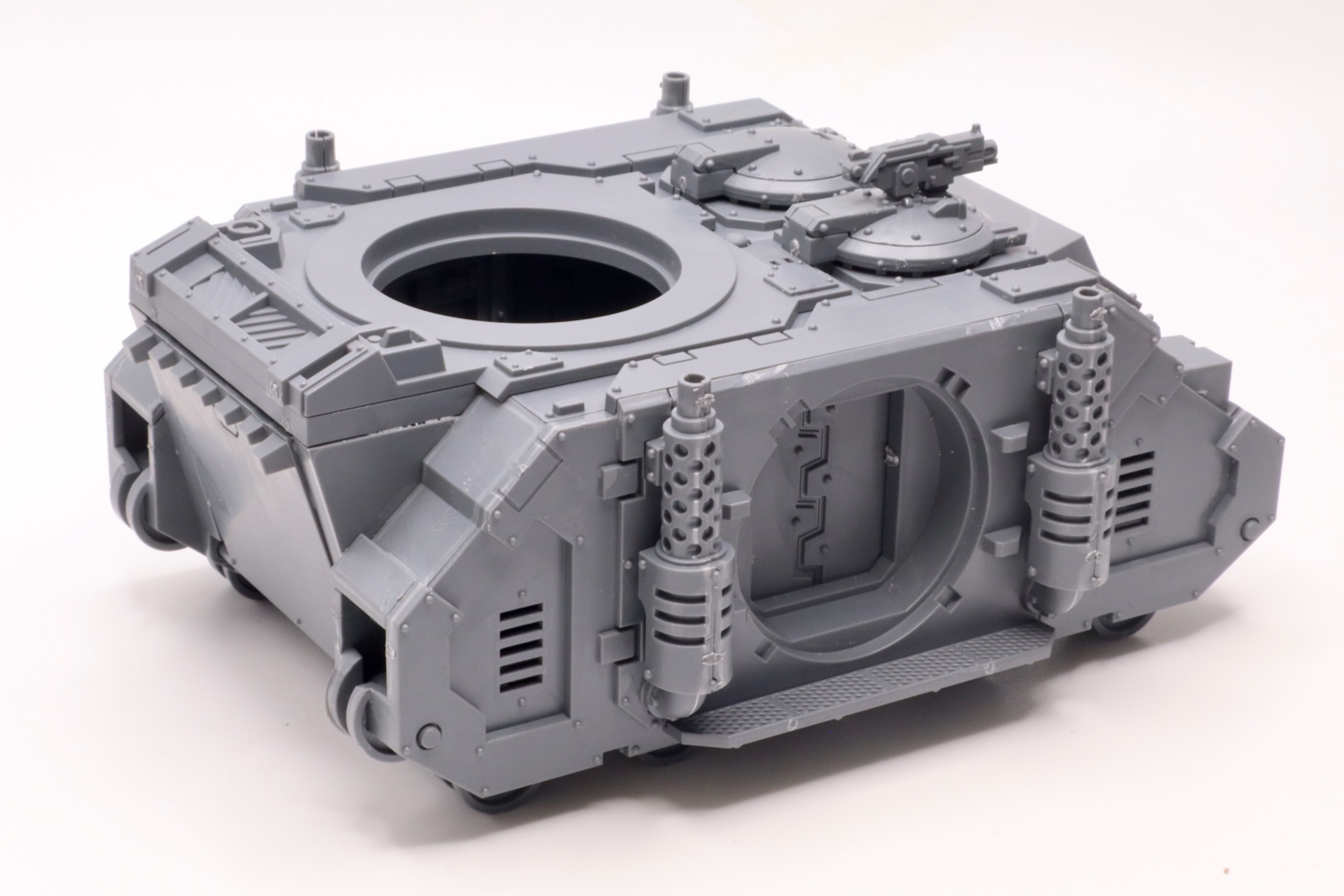
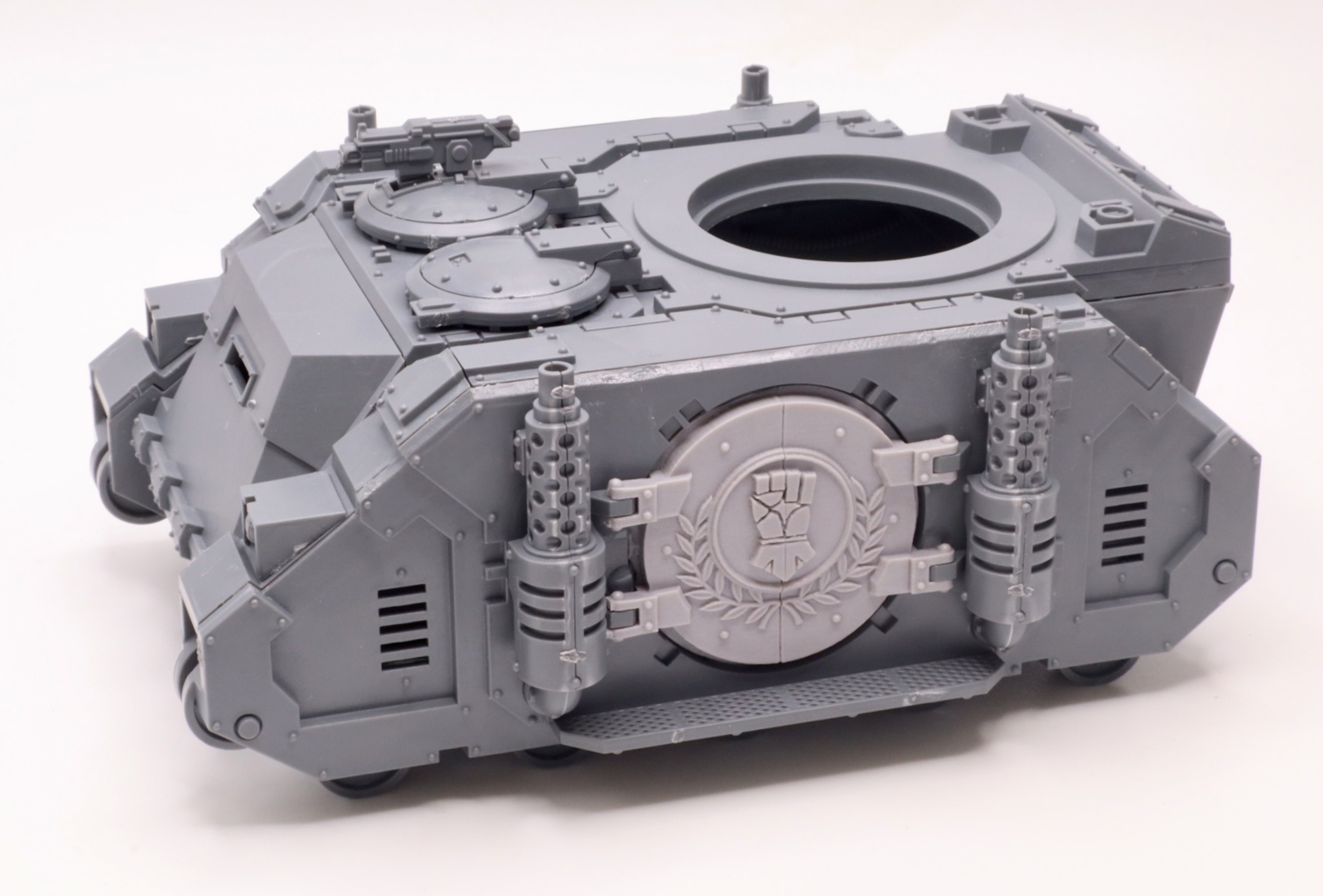
In addition I have some doors for it already as well. On a recent visit to Warhammer World I picked up some Forge World Imperial Fists Rhino Doors. I’ve always liked the Forge World doors and have used them on some of my models such as this Land Raider.

This model follows a similar construction process to the standard Deimos Pattern Rhino.

In the box is an additional sprue which as well as the parts for the missile launcher, has a new top superstructure and a new front which is based on the original Whirlwind.

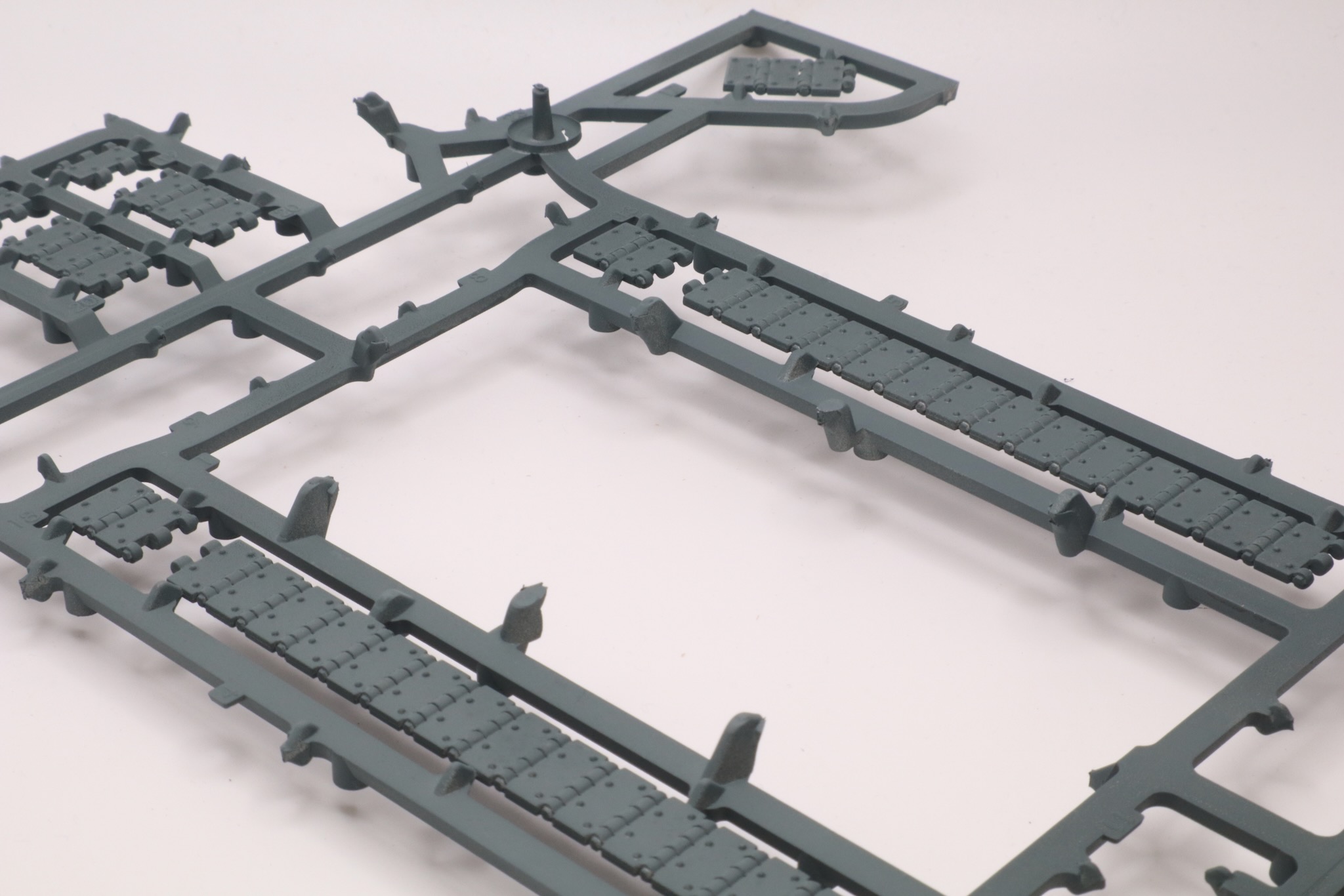
I have left the tracks off and will be painting those separately.

I washed the Forge World resin doors to remove the mould lubricant.

They were then stuck to the sides of the Whirlwind.

I now need to construct the weapon system.

Rapier Graviton Cannon Battery

Graviton Cannon Battery

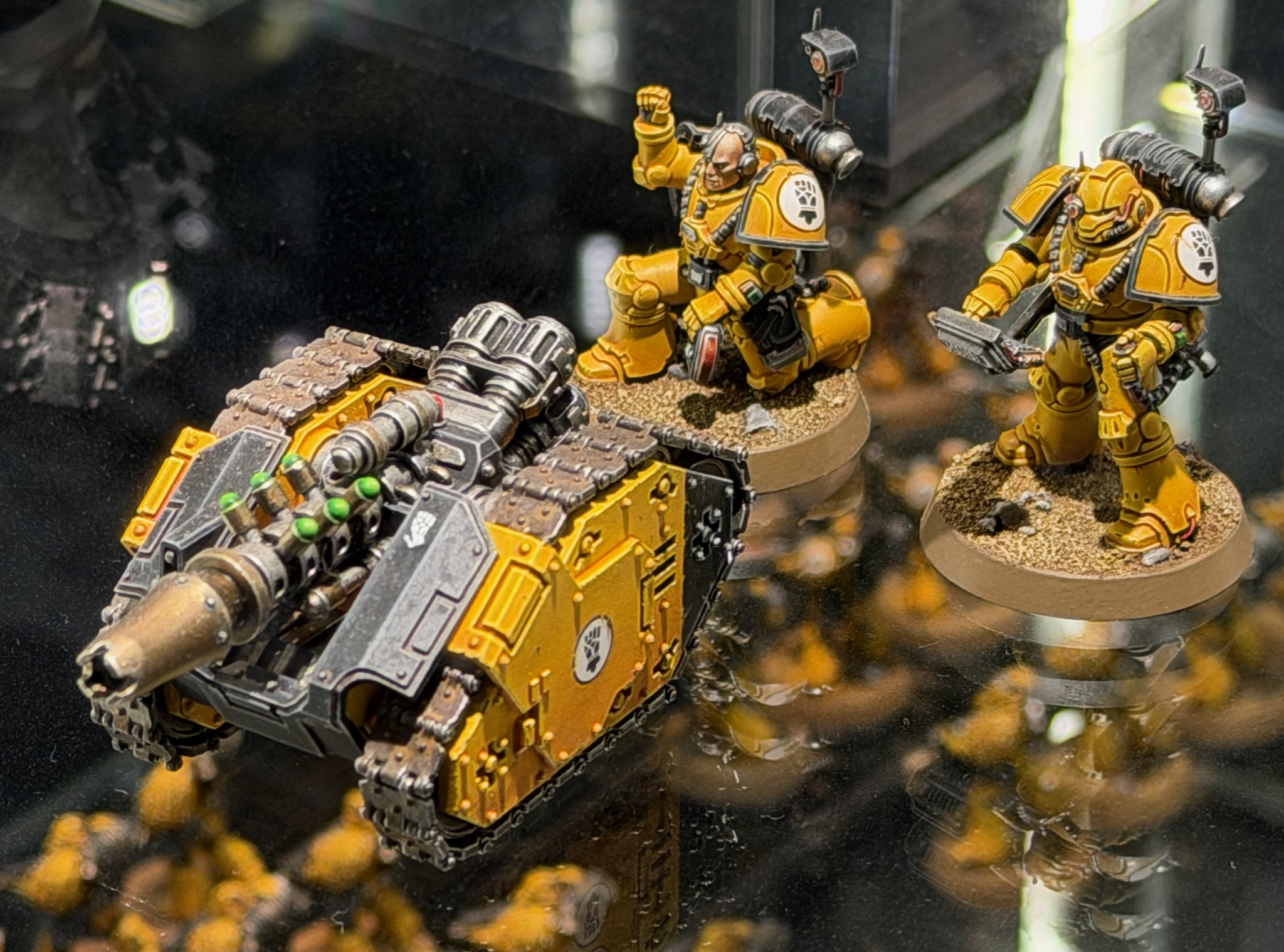
Engineered for specialised siege operations and anti-fortification warfare, the Rapier Graviton Cannon Battery harnesses raw localised gravity to crush the foes of the Legiones Astartes. Built upon the rugged, semi-automated Rapier tracked chassis, these platforms leverage onboard power generators and advanced targeting systems to field heavy esoteric weaponry far too massive for even a Space Marine to carry into battle. When fitted with a graviton cannon, the Rapier fires high-density spatial distortion fields that rupture heavy armour, collapse structural chokepoints, and crush advancing troops beneath their own weight. Though less ubiquitous than the anti-infantry quad heavy bolter variants, Graviton Cannon Batteries are highly prized assets during sieges and breach operations, allowing Space Marine assault forces to shatter reinforced bunkers and pin down heavily armoured enemy units with terrifying gravitational force.