Constructing the Citroen Civilian 4,500kg Truck with Canopy

I have been reflecting and looking at some of the models on my workbench and making progress on them.

In addition to the Bolt Action Citroen Civilian 1000kg Dropside Truck I also bought a slightly bigger truck, the Citroen Civilian 4,500kg Truck with Canopy.

Citroen made many of these trucks in the 1930s and 1940s.

Citroen Civilian 4,500kg Truck with Canopy

The pack contains a resin and metal kit, this is a nice clean casting.

Citroen Civilian 4,500kg Truck with Canopy

The rear wheels were quite easy to secure to the rear of the truck. There is an axel and two sets of wheels.
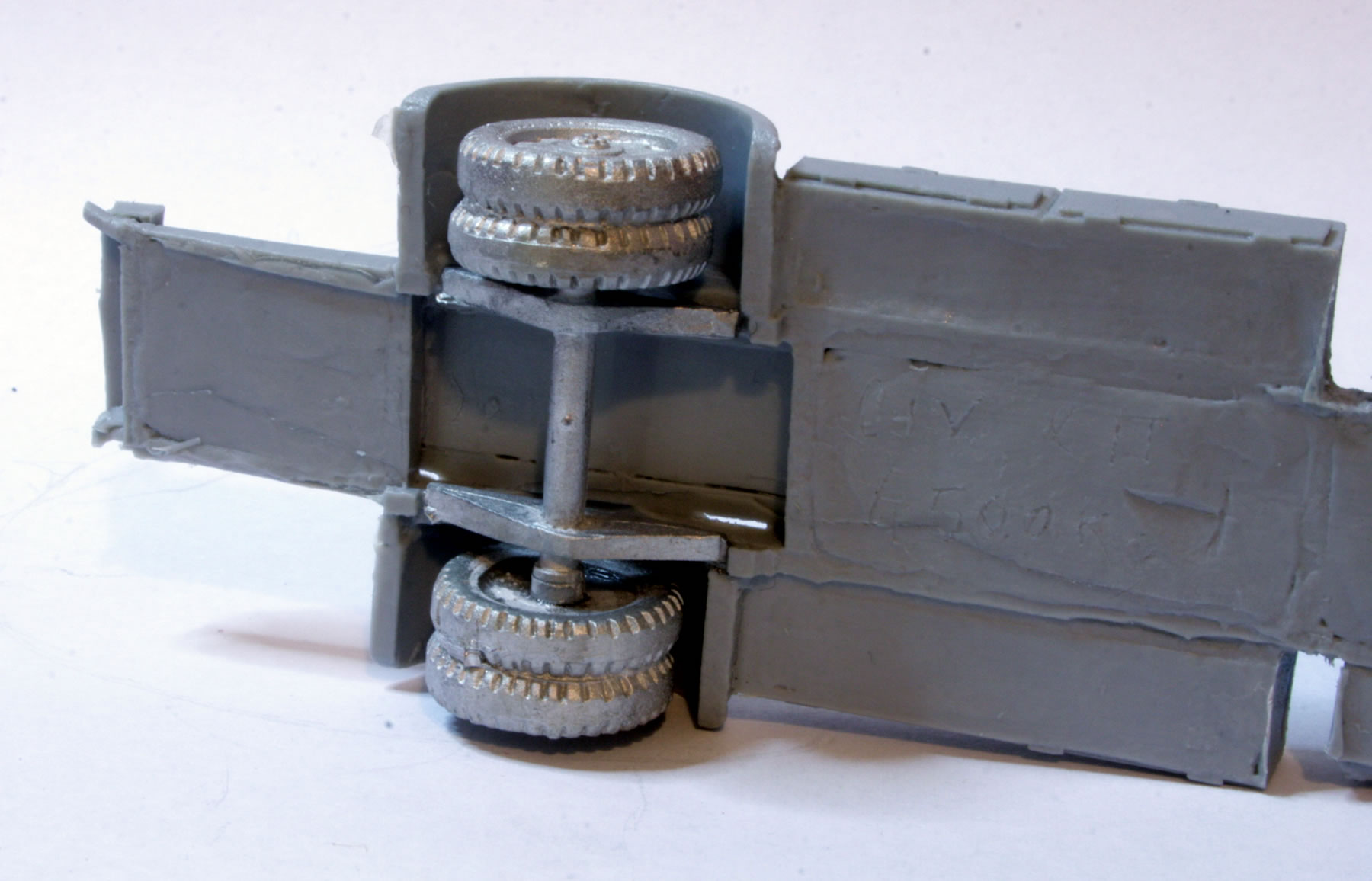
The front axel, I really had no idea how this was secured and the photographs on the Warlord Games site didn’t help that much. So I first stuck the front wheels to the front axel and then checked how the wheels would fit on the underside.
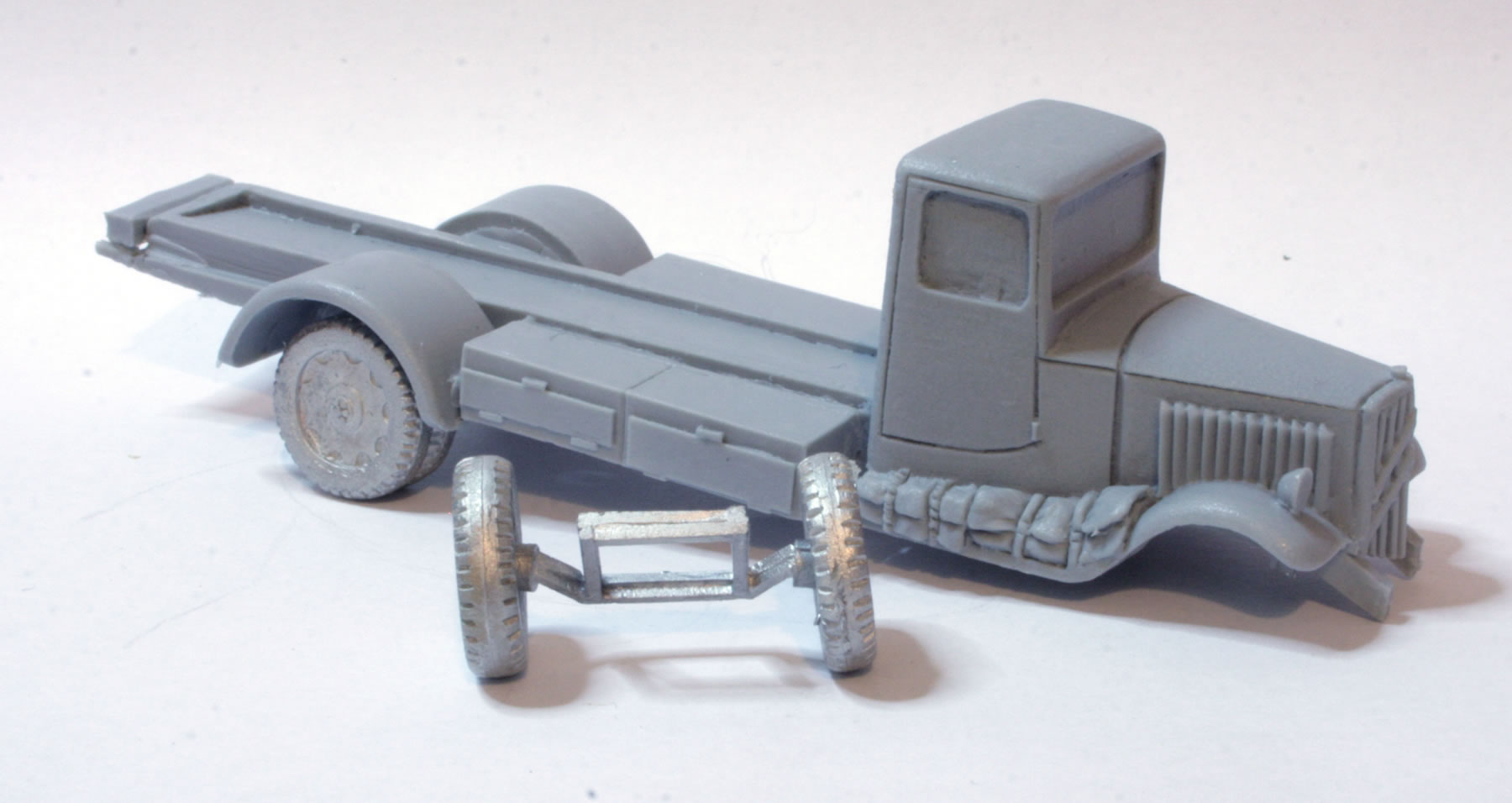
I was then able to secure the front axel to the underside of the truck, getting it to sit flat was challenging. I also stuck the front bumper on as well.
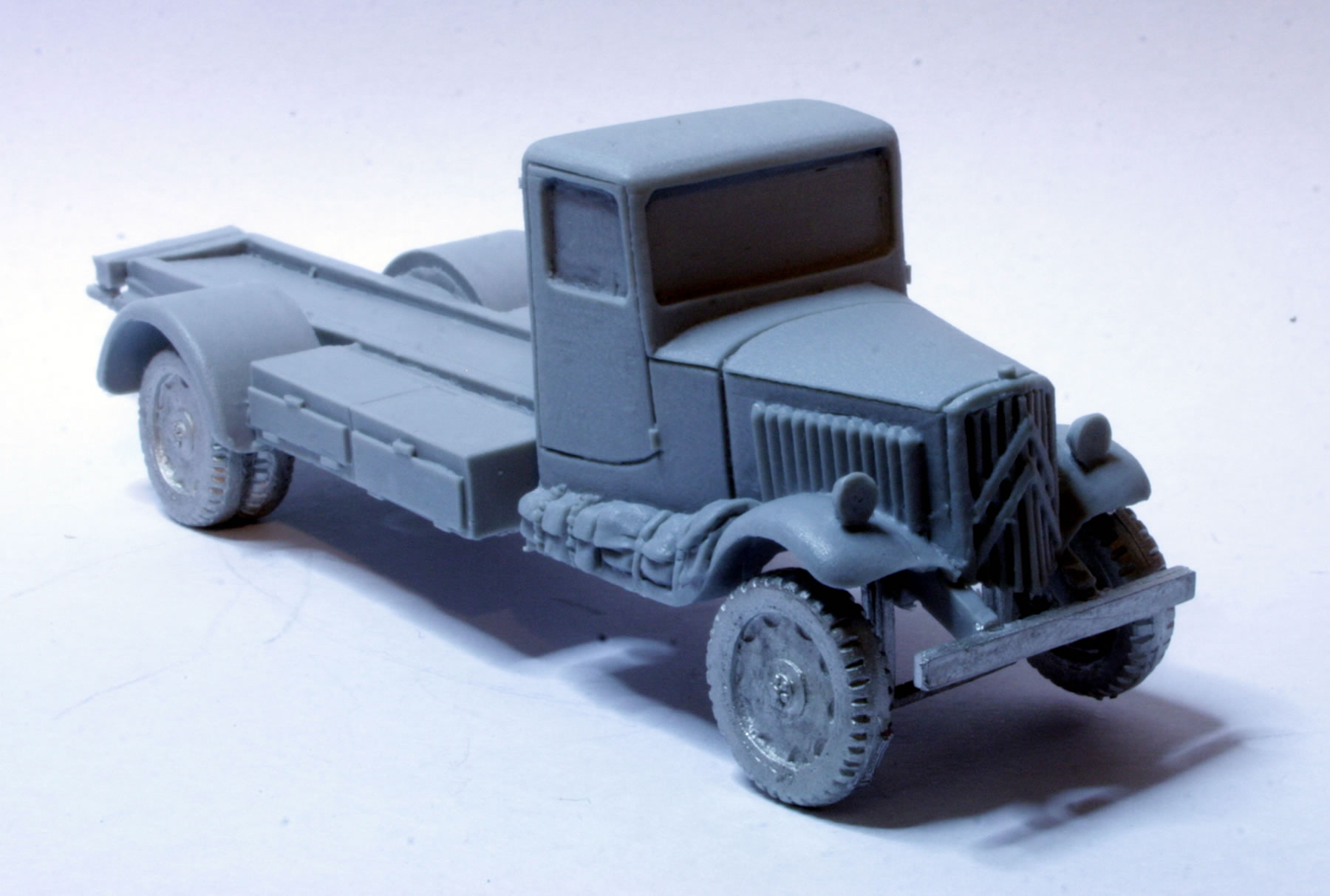
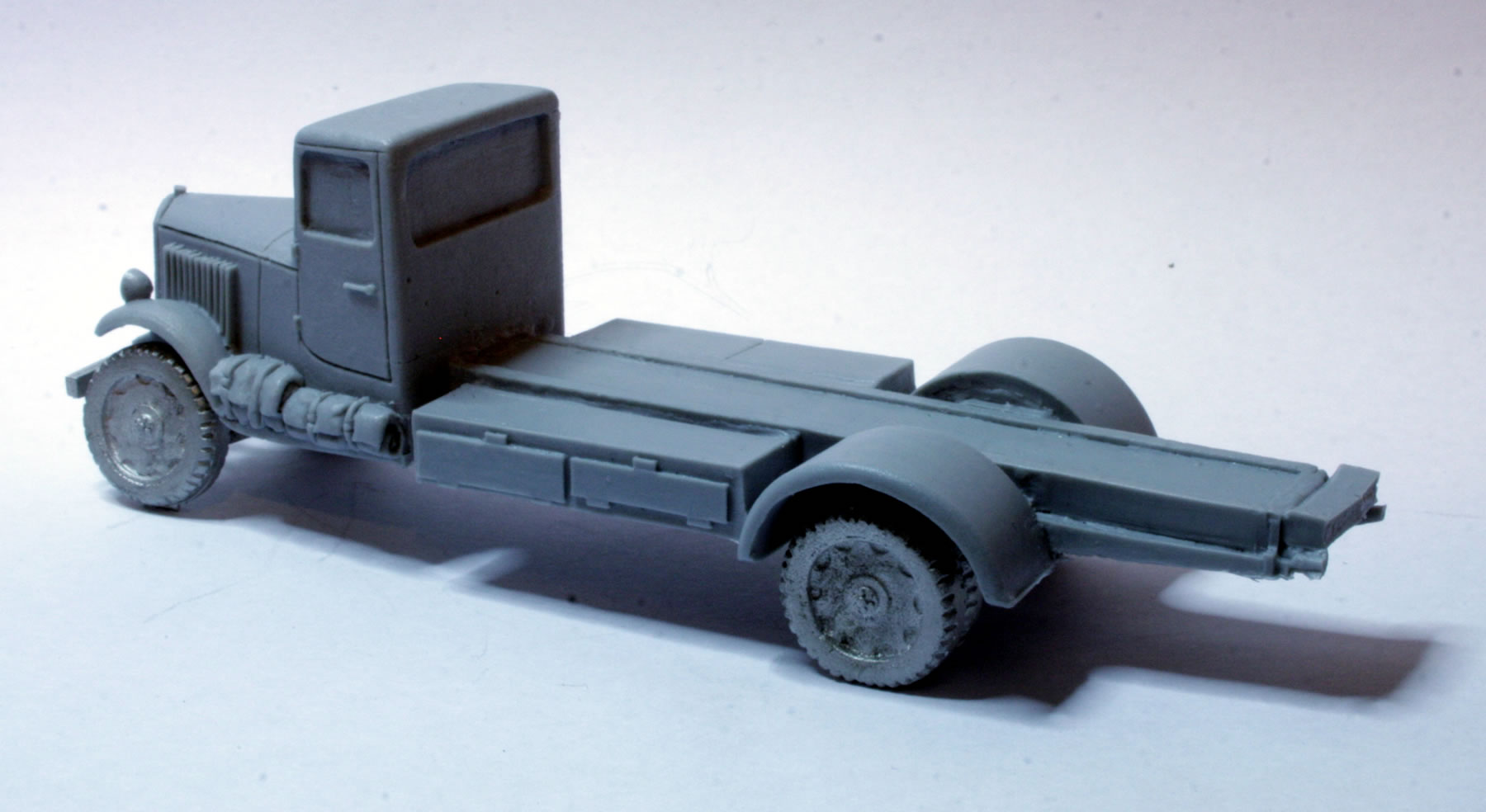
The next stage is to give the model an undercoat.

See the workbench feature on the Citroen Civilian 4,500kg Truck with Canopy.

Light Tank M3A1 Stuart IV

The M3 Stuart, officially Light Tank, M3, was an American light tank of World War II. It was supplied to British and other Commonwealth forces under lend-lease prior to the entry of the U.S. into the war. Thereafter, it was used by U.S. and Allied forces until the end of the war.

Light Tank M3A1 Stuart IV

Stuart tanks were the first to be supplied to Britain under the Lend-Lease scheme and they were very popular, even so none survived to join the original Tank Museum collection. This example was kindly supplied by the Brazilian Government and is displayed in recognition of the fact that Brazilian troops served with the Allies in Italy.

OT-810 Armoured Personnel Carrier

Czech post-WW2 half-track armoured personnel carrier, crew of 2 plus capacity for 10 infantry, powered by TATRA 912-2 diesel engine, armed with one machine gun.

OT-810 Armoured Personnel Carrier

If it looks familiar…

The OT-810 is a post war production copy of the German World War Two Sd.Kfz 251 half track. About 1500 vehicles were built during 1958–62.

More work on the Rukkatrukk Squigbuggy

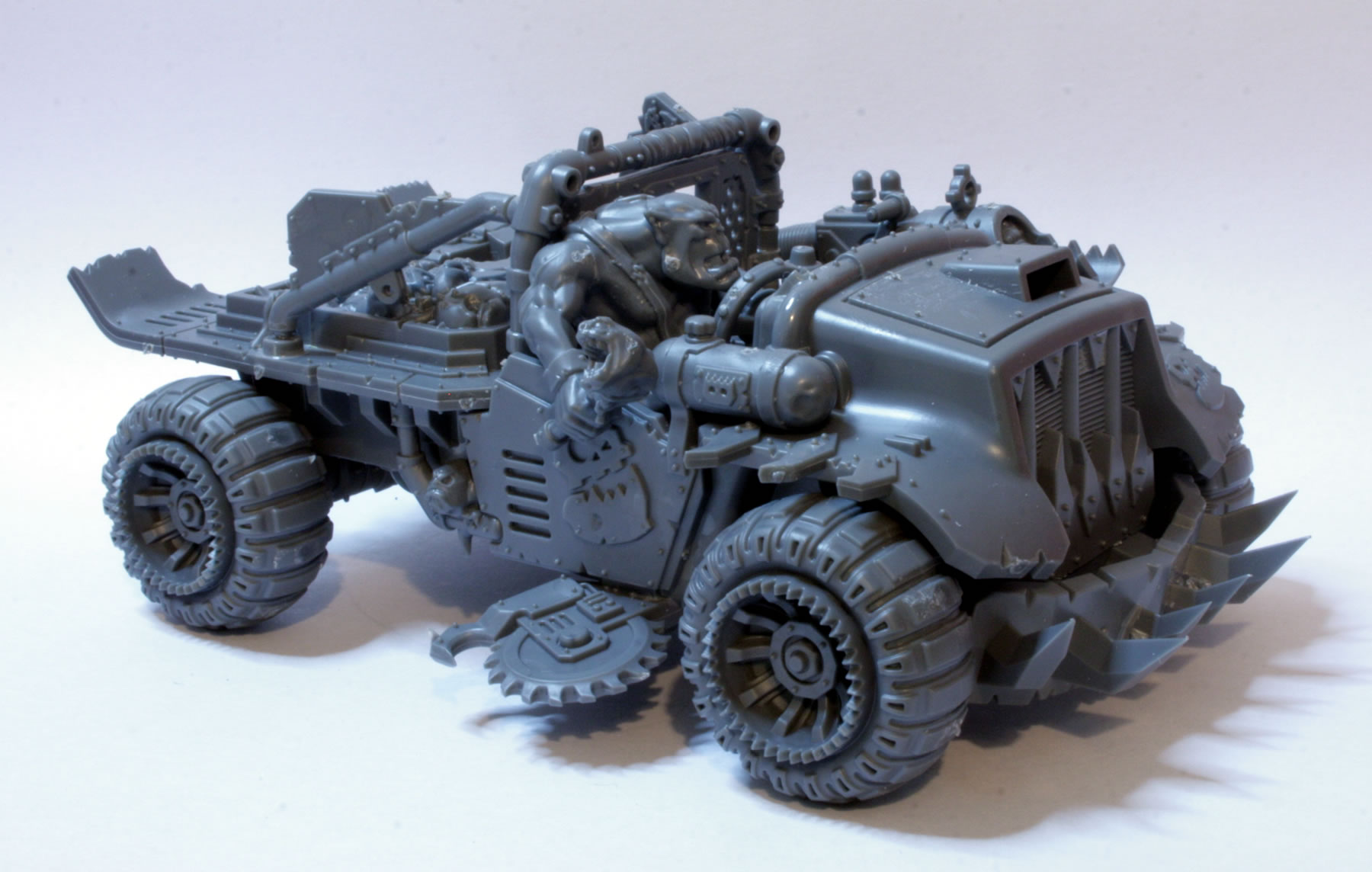
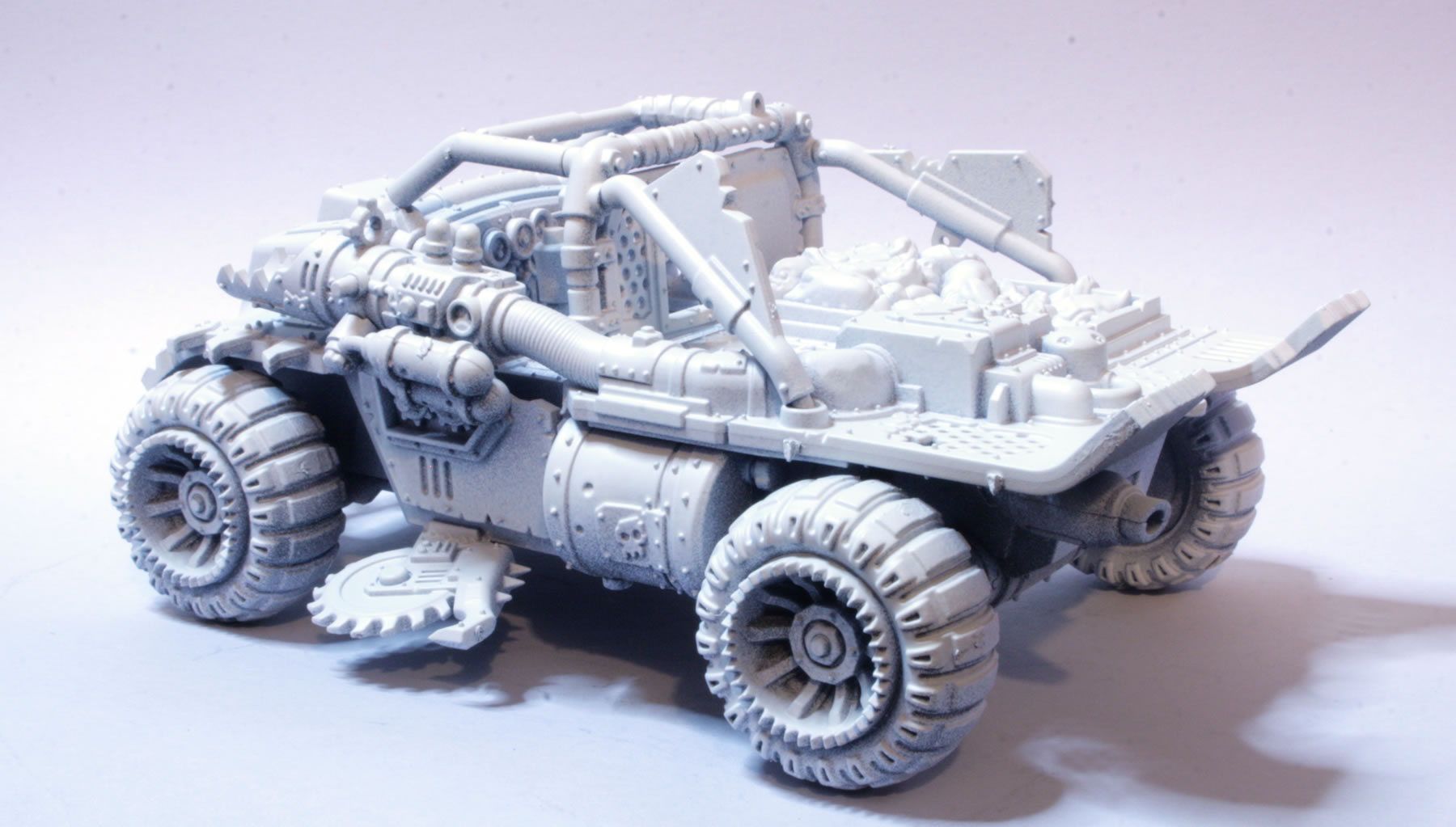
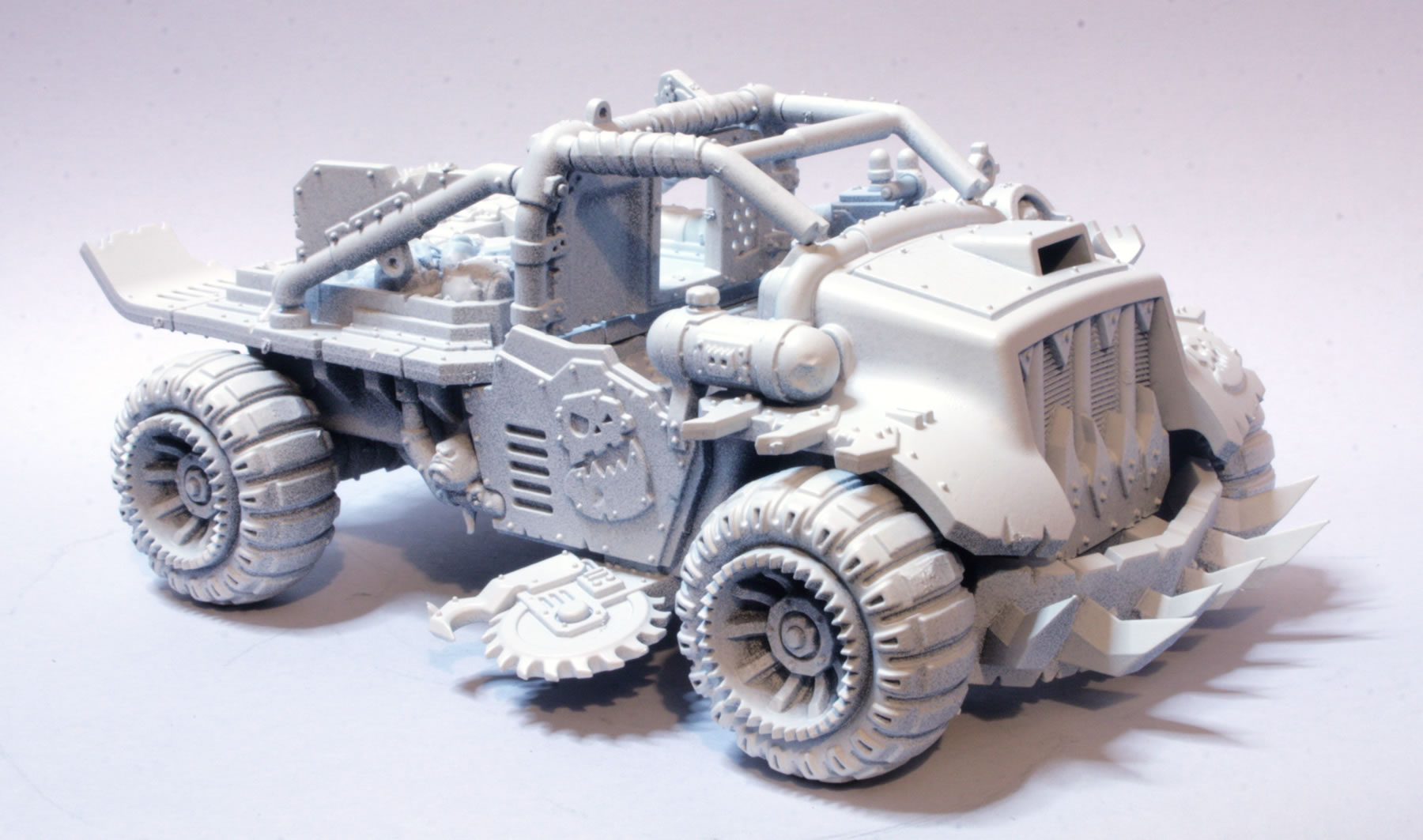
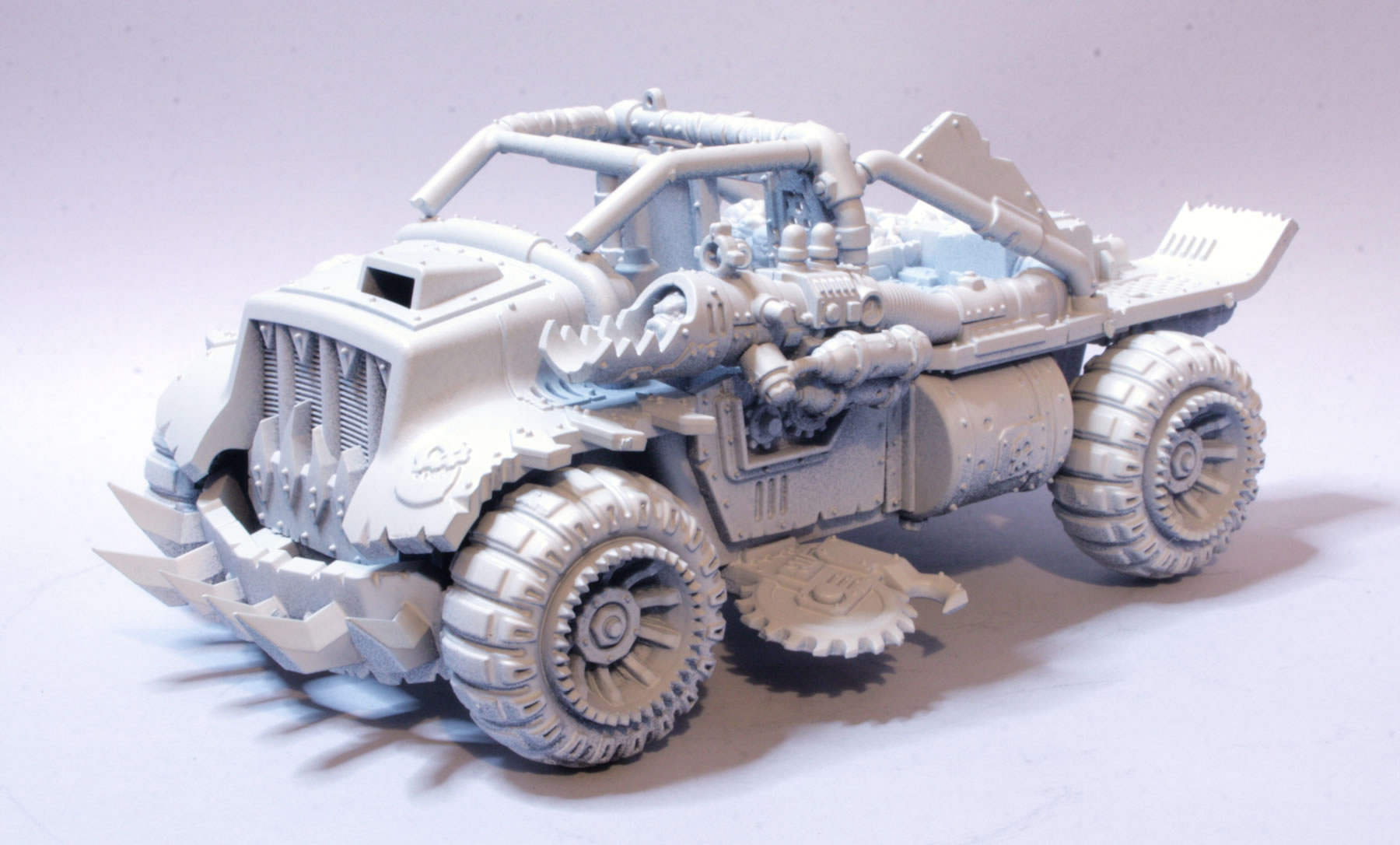
The Rukkatrukk Squigbuggy is a type of Ork attack vehicle. The first Rukkatrukk Squigbuggies were invented by enterprising Snakebites in order to feed Speed Freeks on the move. Mobile pens full of edible squigs, the vehicles kept pace with the warband’s Warbikers, buggies and Trukks while their grinning crews hawked their wares at the tops of their lungs.

Having started building the model, I finished putting it together. Unlike earlier GW models there is less room for variations on the model, so you are quite constrained on how the model is put together.

Ork Rukkatrukk Squigbuggy

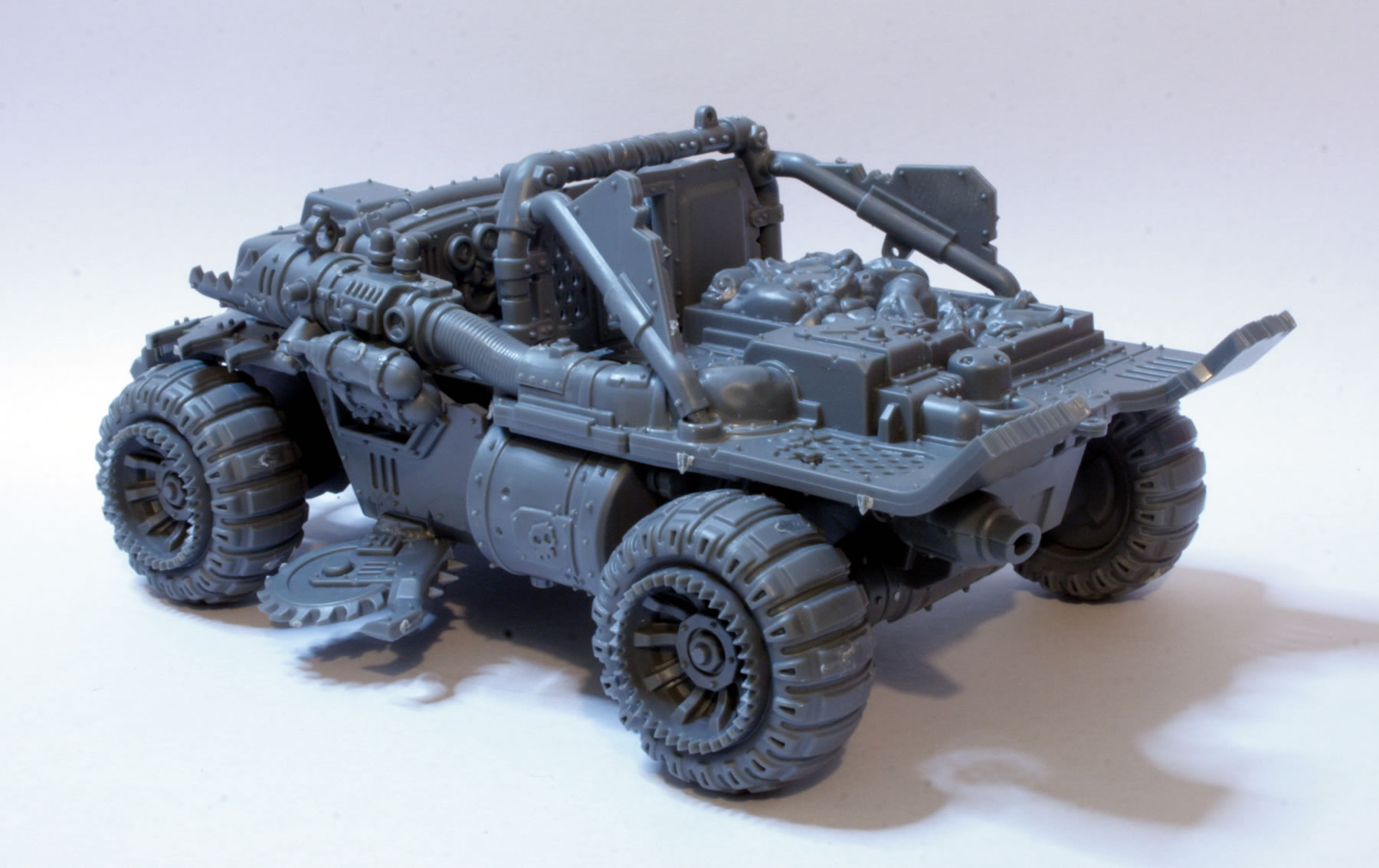
The model though does go together quite easily, but there are a fair number of parts.

Ork Rukkatrukk Squigbuggy

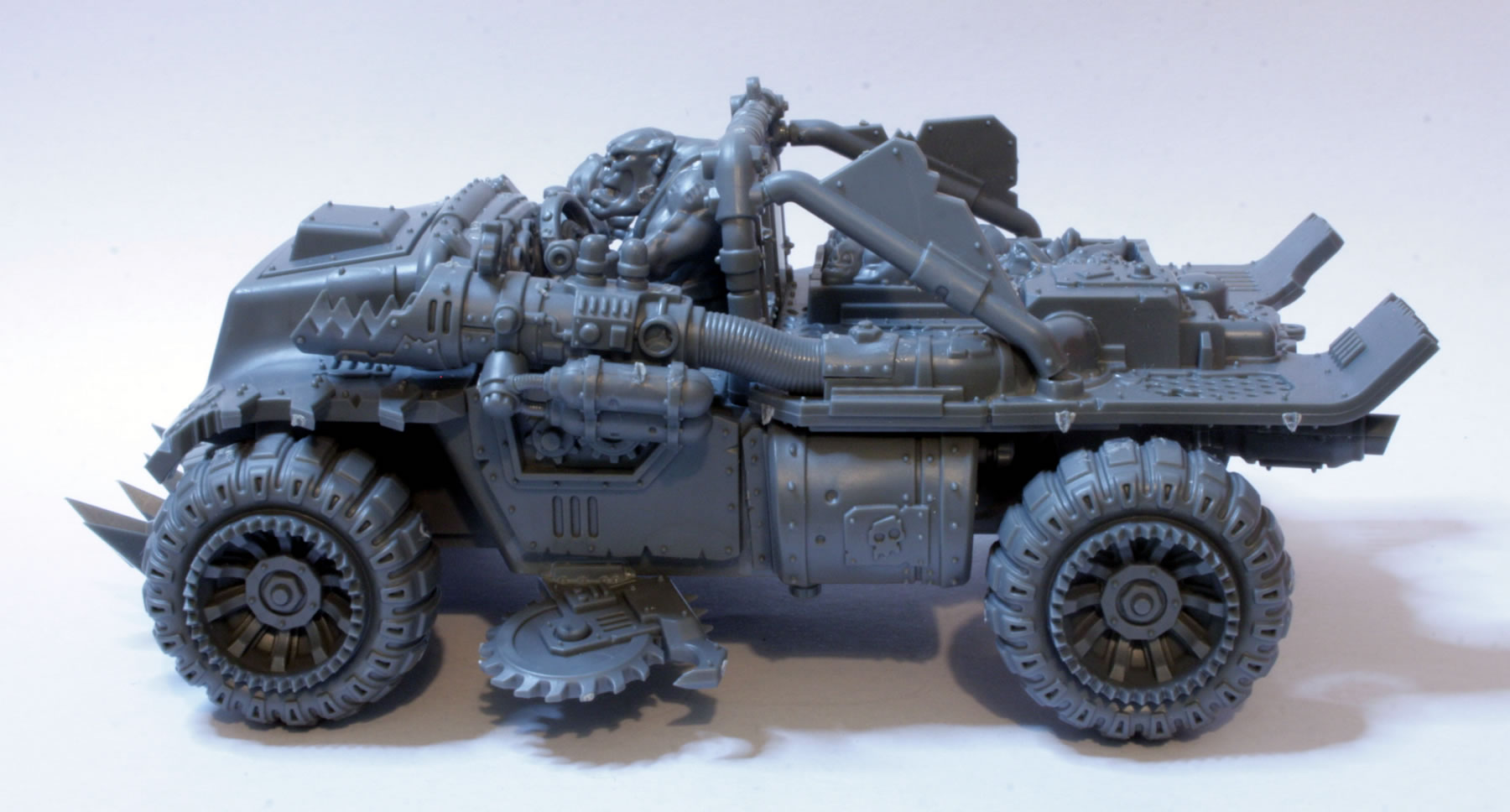
The instructions are very clear and easy to follow.

Ork Rukkatrukk Squigbuggy

I didn’t glue in the driver, as I will paint him separately, as I will also do with the grots and other Ork crew.

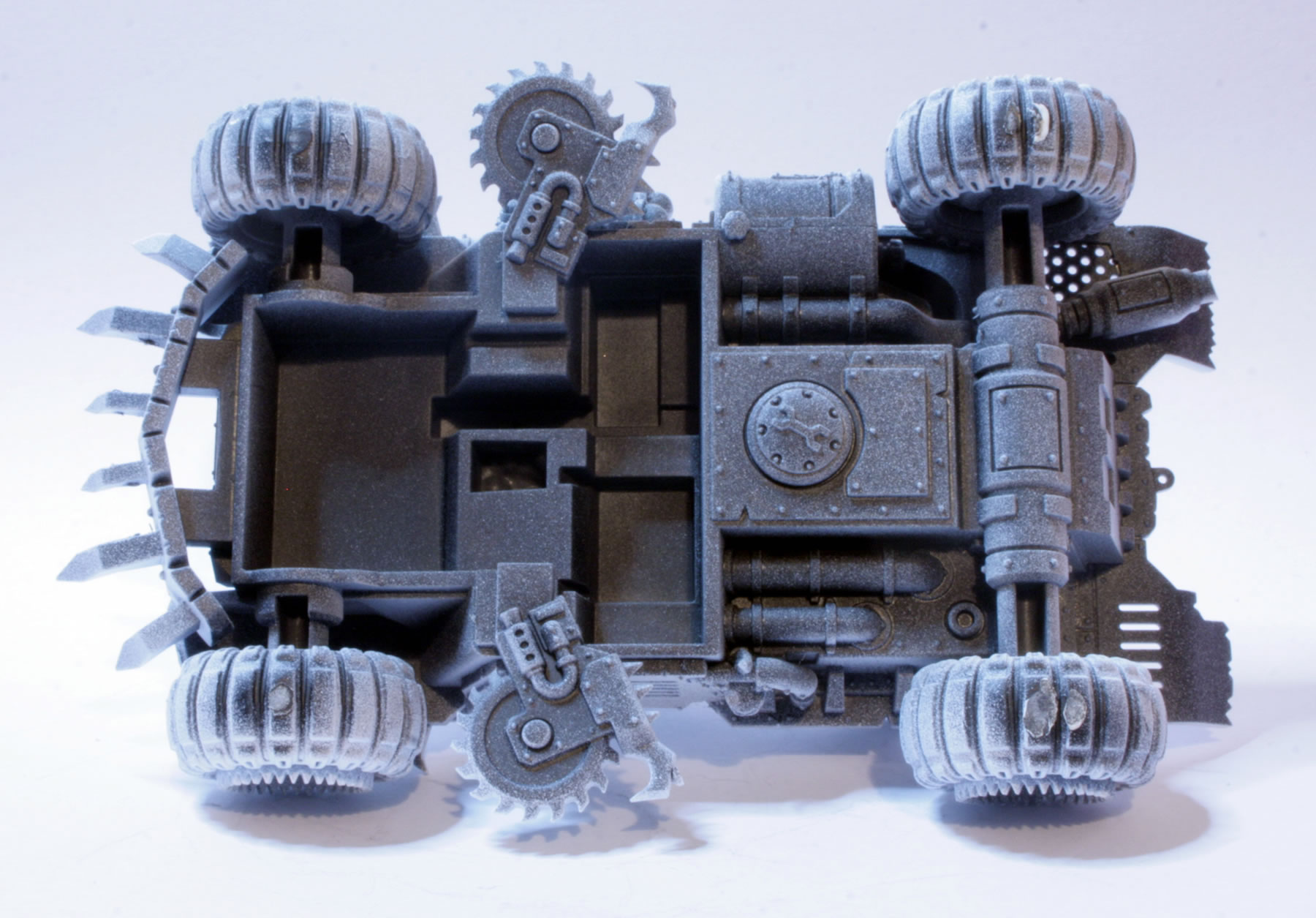
I gave the underneath of the model a black undercoat followed by a white undercoat. However the white had made the underneath somewhat dusty…

I gave the underneath of the model a black undercoat followed by a white undercoat.

The white undercoat brings out a lot of the detail on the model.

You can see I added the cab rollbar for undercoating, but I didn’t glue it into position.

See the full workbench feature on the Ork Rukkatrukk Squigbuggy.

Warhammer 40000 Risk

Warhammer 40000 Risk

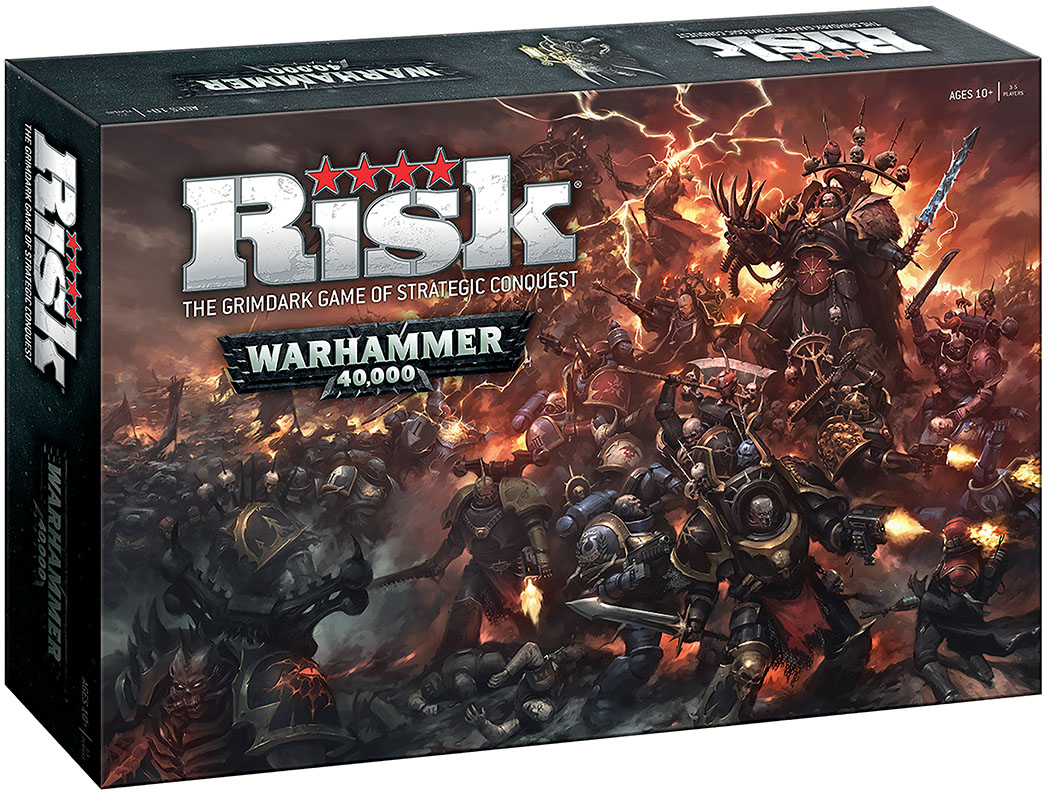
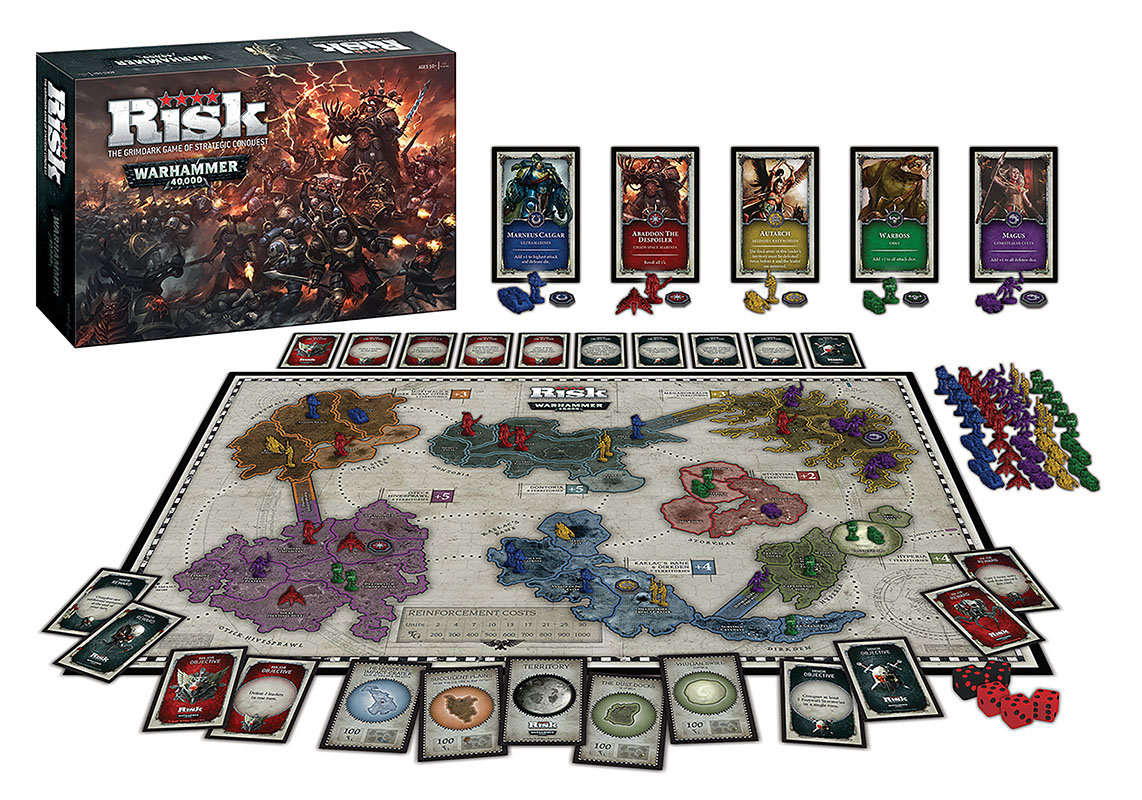
So a 40K version of Risk has been announced and will be available in the autumn.

Battle with your favorite factions for control of the planet Vigilus in the Battle of the War of the Beasts. Take control of your faction and attempt to vanquish your foes across the unique planet map that has been customized for Warhammer fans. In this Risk game, custom sculpted units will allow you to control the key locations in your bid to rule the planet!

I did think that the Warhammer 40,000 version of Monopoly was  a bit weird.

I can not believe that there is a Warhammer 40K version of Monopoly…. The whole reason I got into Warhammer in the first place was how disappointed I was with games like Monopoly!

With this product though, I am not just a little bit curious, I am quite interested.

The classic game of Risk can get rather stale rather quickly, but when mission cards are introduced then the game becomes very different.

One of my favourite games is Risk: Europe which is an advanced version of Risk.

Control Europe in the Risk Europe game, an exciting game of medieval conquest. The game challenges players to step into the role of a medieval king and rule feudal Europe by building castles, taxing subjects, expanding territories, and engaging in battle. 

While there’s some similarities to other versions of Risk, the turns are quite different.

From what I can see of the design of Risk: Warhammer 40,000 looks to be more than classic Risk, but not quite as indepth as the Europe version.

I like the little plastic pieces and the fact that the game has alien races as well as Space Marines.

It certainly looks like a possible purchase for me, though I do wonder if it will be available in the UK?

Orc War Wyvern

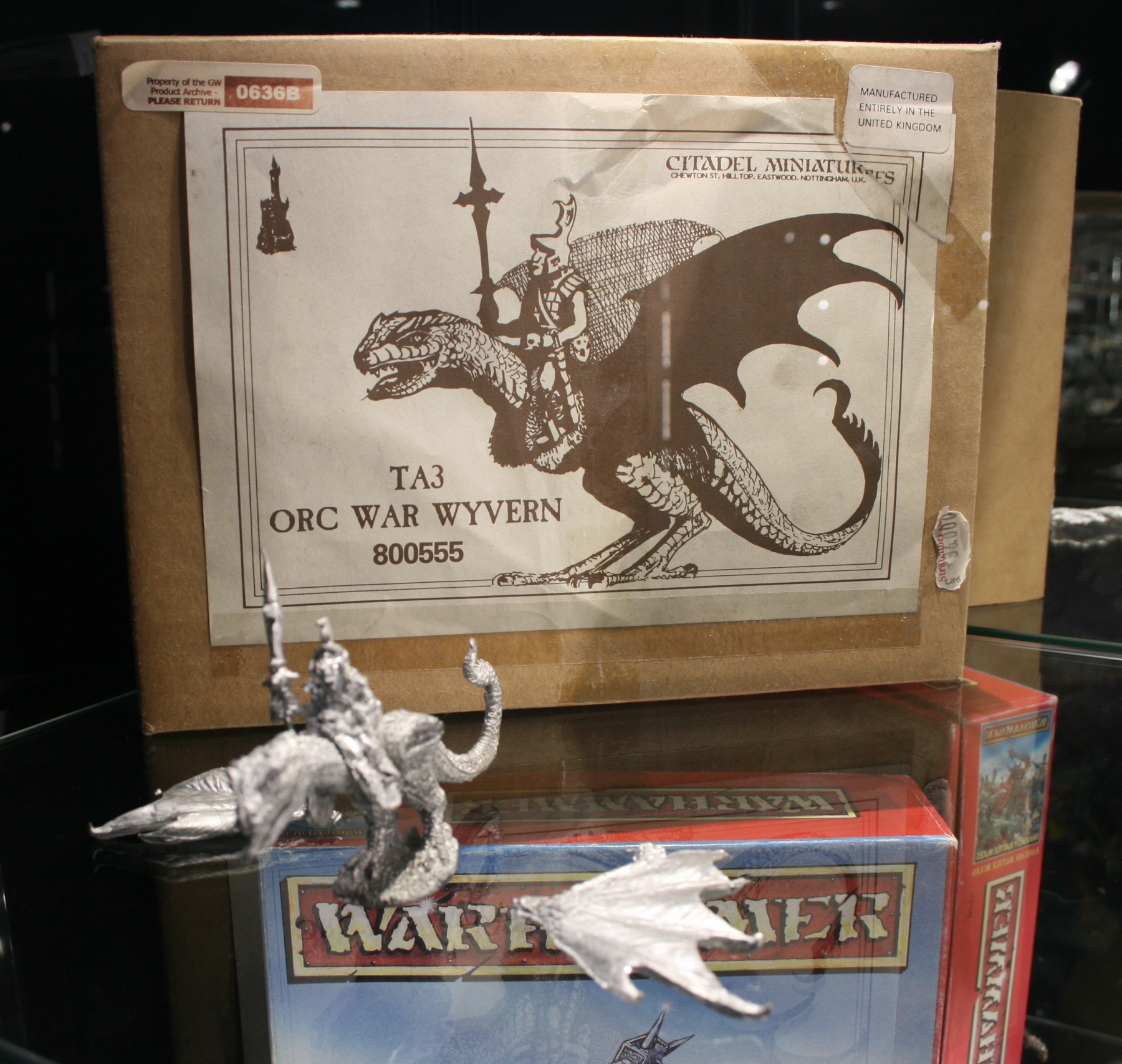
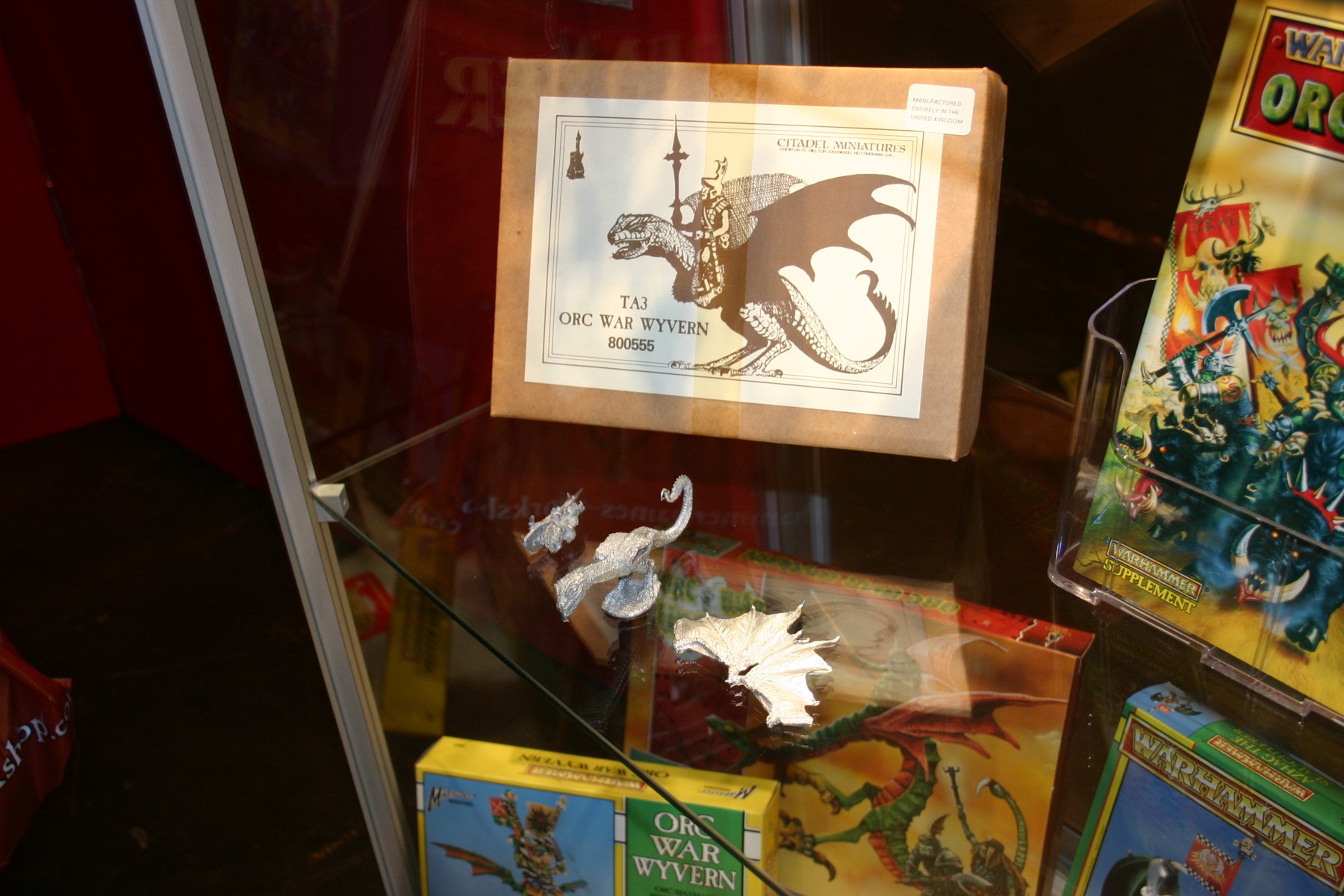
This is the old Citadel Orc War Wyvern, which is from the Games Workshop archive and was on display at Warhammer World.

An early release for Warhammer, I do in fact have one of these, somewhere! I remember having real issues gluing the wings using an epoxy resin glue, which I used back them to stick models together. Even then I then added lots of Milliput to keep them attached to the body. Today I would probably need to pin the wings to the body and use green stuff to fill the gaps.

I don’t appear to have a photograph of my model, maybe I should dig through my storage boxes and see if I can dig it out.

This model also looked it was on display at GamesDay 2006, going back through my photo archive.

Well there appear to be a few differences, in the model at Games Day the wings are joined and the box is quite mint. The more recent photograph shows sticky tape attached to the box as well as price…


Crassus Armoured Assault Transport

This beautifully painted Forge World Crassus Armoured Assault Transport was on display at Warhammer World.

Crassus Armoured Assault Transport
Crassus Armoured Assault Transport at Warhammer World

This immense armoured carrier is named after one of Lord Solar Macharius’ greatest generals, Borgen Crassus, who remained steadfastly loyal to the Imperium throughout the grim and bloody Macharian Heresy that followed the Lord Solar’s death.

The vehicle can be retrofitted with additional weapons to undertake other battlefield roles as required.

I like the painting, and use of snow and weathering powders. Certainly this will influence some of my painting. This is why I take photographs of models like this, as it really helps to see how “experts” do this and inform your own practice.

Undercoating the Morris CS9 Armoured Car

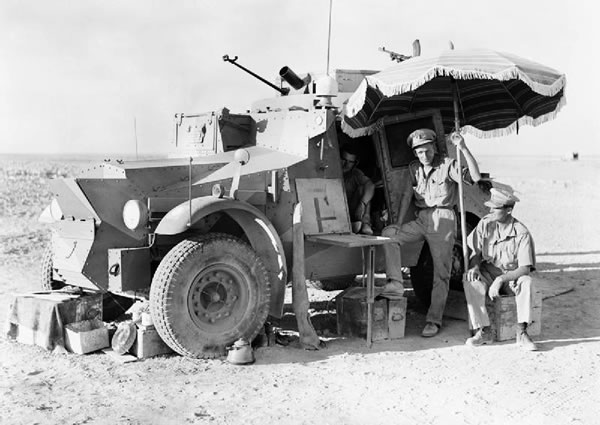
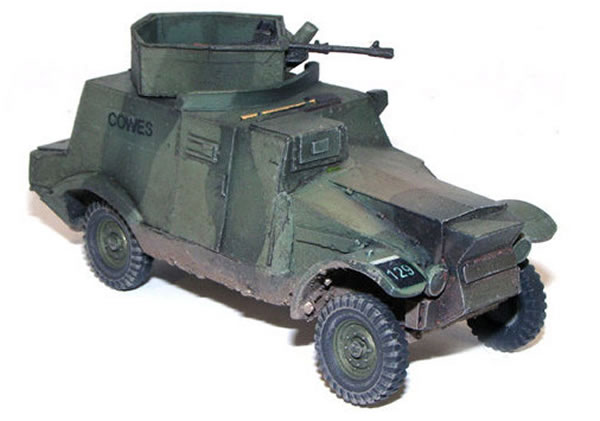
The Morris CS9/Light Armoured Car was a British armoured car used by the British Army in the World War II. The vehicle was based on a Morris Commercial C9 4×2 15-cwt truck chassis. On this chassis a rivetted hull was mounted with an open-topped two-man turret. The armament consisted of either Boys anti-tank rifle and Bren light machine gun or Vickers machine gun. The vehicle carried a No. 19 radio set.

The prototype was tested in 1936. A further 99 cars were ordered and were delivered in 1938. Thirty-eight of these cars were used by the 12th Royal Lancers in the Battle of France, where all of them were destroyed or abandoned. Another 30 served with the 11th Hussars in the North African Campaign. It was found that when fitted with desert tyres the vehicle had good performance on soft sand. However, its armour and armament were insufficient. The vehicle was retired halfway through the North African Campaign.

Morris CS9/Light Armoured Car

This is the finished version of the Bolt Action model, as seen on the Warlord Games website.

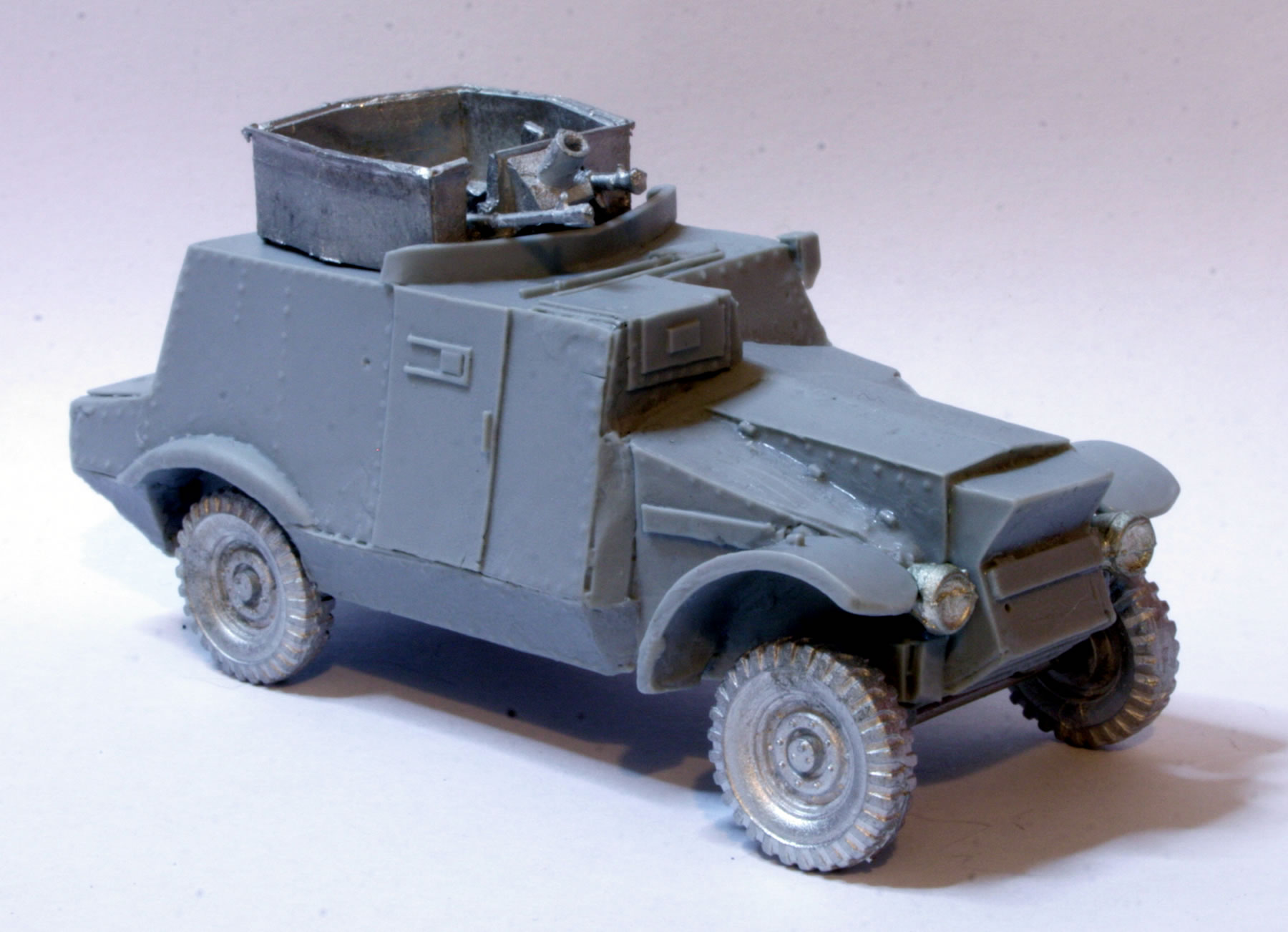
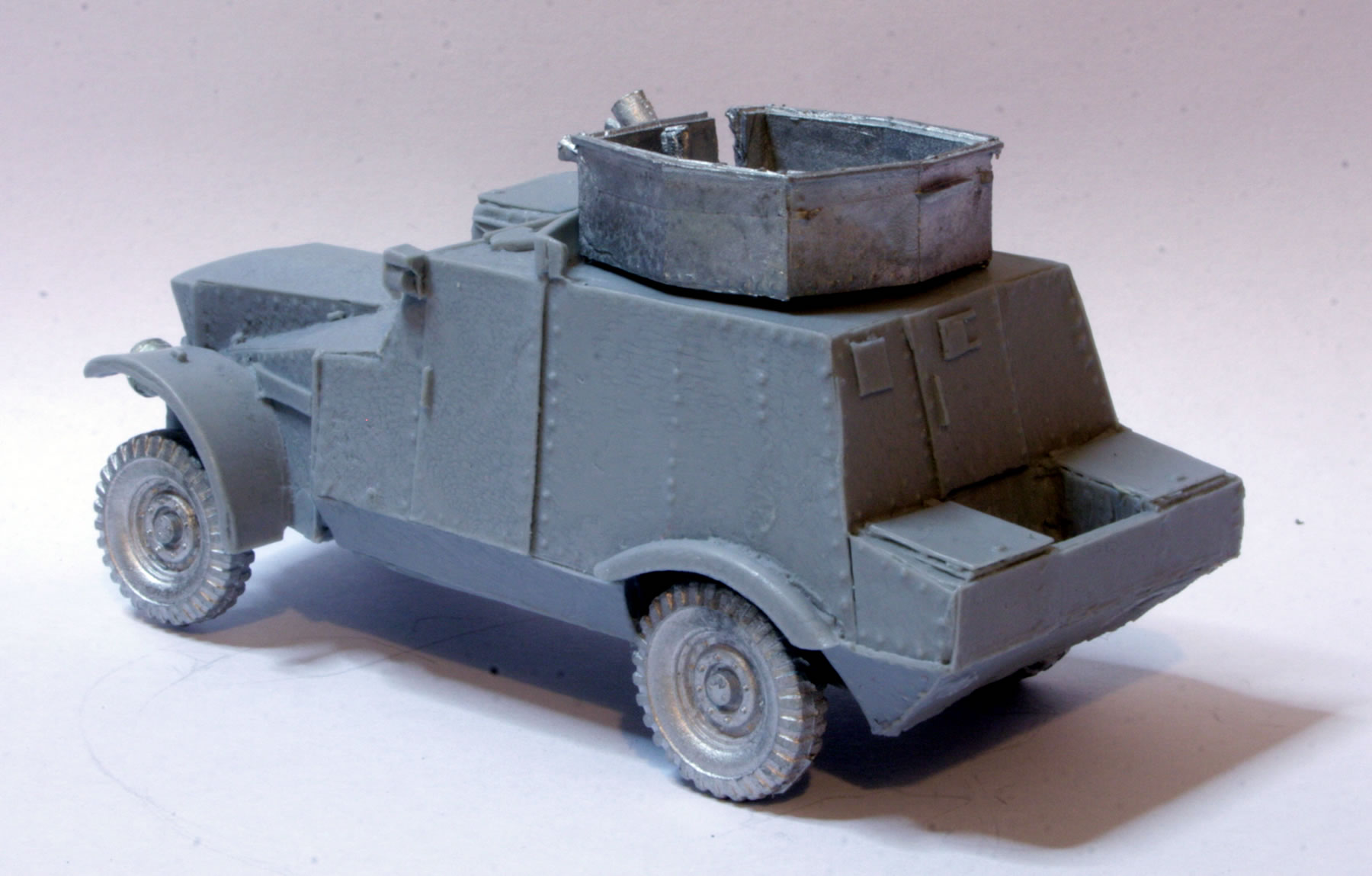
The pack contains a resin and metal kit. The hull and turret are resin, the wheels, guns and axels are whitemetal.

Having glued the axels and wheels to the main hull, I glued the weapons to the turret. I also managed to stick the headlamps into place, this was much harder than it looks and it took a couple of attempts.

Morris CS9 Armoured Car

Morris CS9 Armoured Car

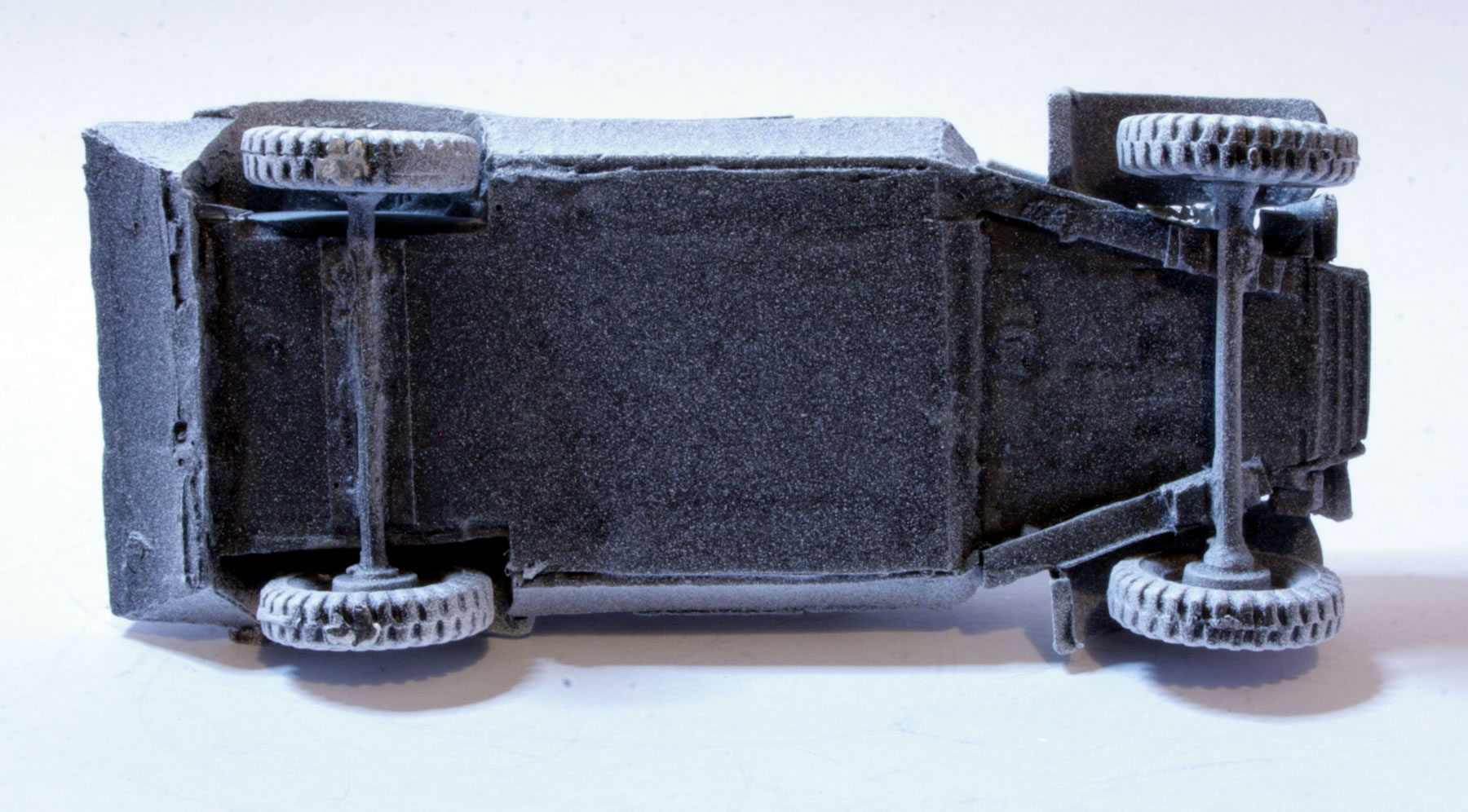
I gave the underneath of the model a black undercoat followed by a white undercoat.

Morris CS9 Armoured Car

Morris CS9 Armoured Car

Morris CS9 Armoured Car

The next stage will be the base coat. I will be trying to replicate this paint scheme which shows a camouflage disruptive pattern.

Morris CS9/Light Armoured Car

See the full workbench feature on the Bolt Action Morris CS9 Armoured Car.

I also have a Flames of War blister of a 15mm Morris CS9 as well.

PzKpfw III

This PzKpfw III was on display at the Tank Museum at Bovington.

PzKpfw III

The Panzerkampfwagen III, commonly known as the Panzer III, was a medium tank developed in the 1930s by Germany, and was used extensively in World War II. The official German ordnance designation was Sd.Kfz. 141. It was intended to fight other armoured fighting vehicles and serve alongside and support similar Panzer IV which was originally designed for infantry support. However, as the Germans faced the formidable T-34, more powerful anti-tank guns were needed, and since the Panzer IV had more development potential with a larger turret ring, it was redesigned to mount the long-barrelled 7.5 cm KwK 40 gun. The Panzer III effectively swapped roles with the Panzer IV, as from 1942 the last version of Panzer III mounted the 7.5 cm KwK 37 L/24 that was better suited for infantry support. Production of the Panzer III ceased in 1943. Nevertheless, the Panzer III’s capable chassis provided hulls for the Sturmgeschütz III assault gun until the end of the war.

Going through my Flames of War collection and other models, I realise I don’t have a 15mm version of this tank.