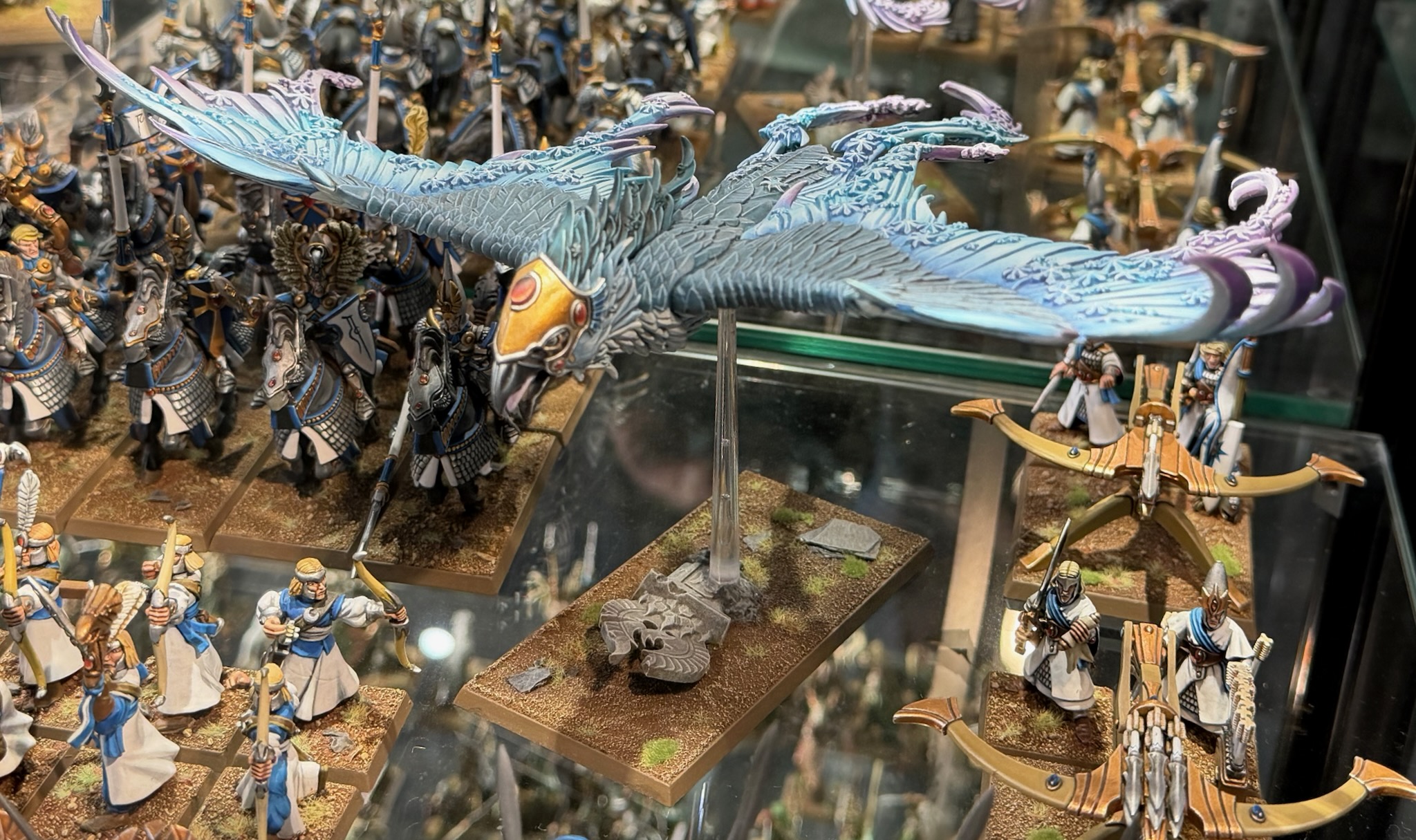
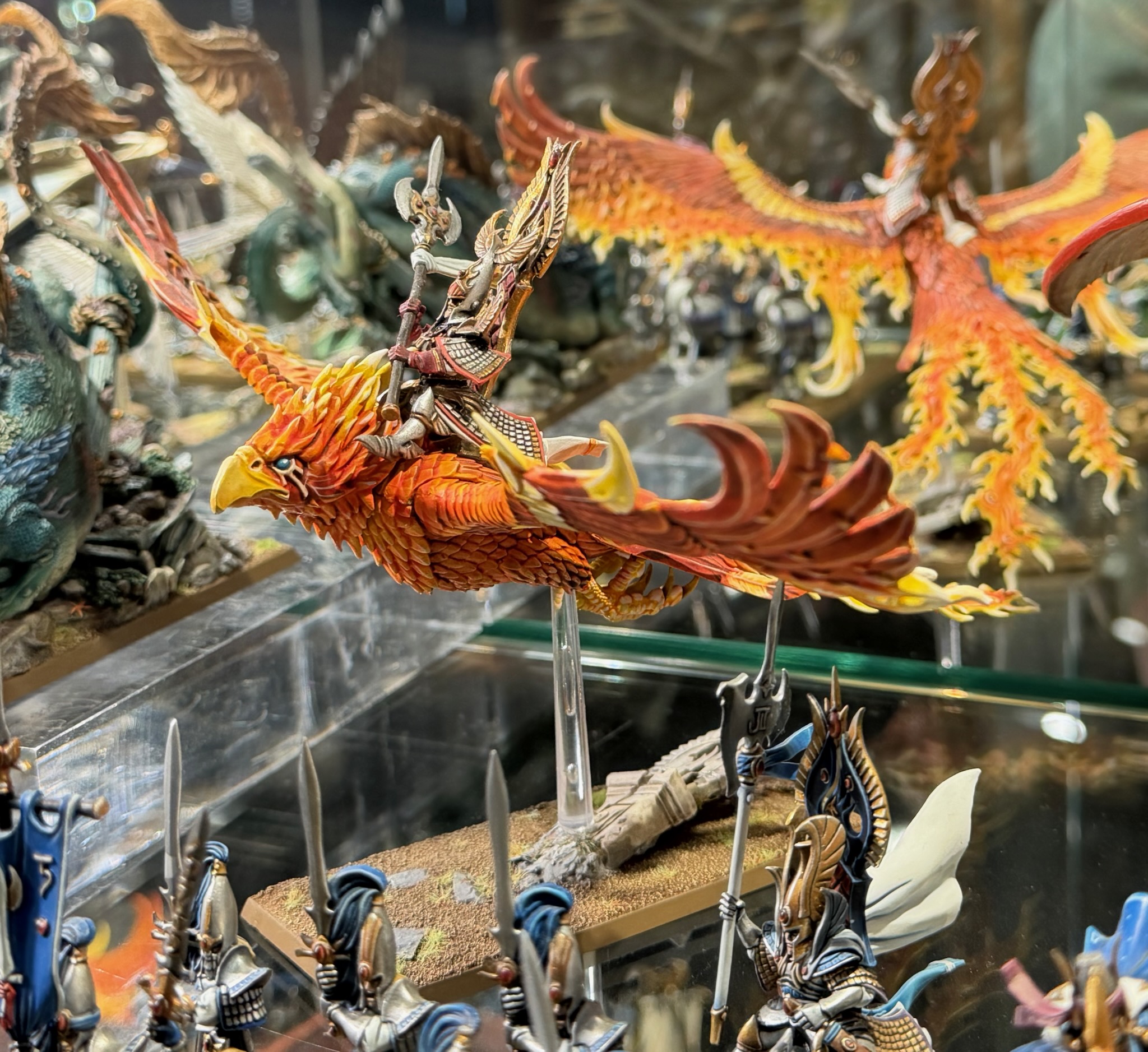
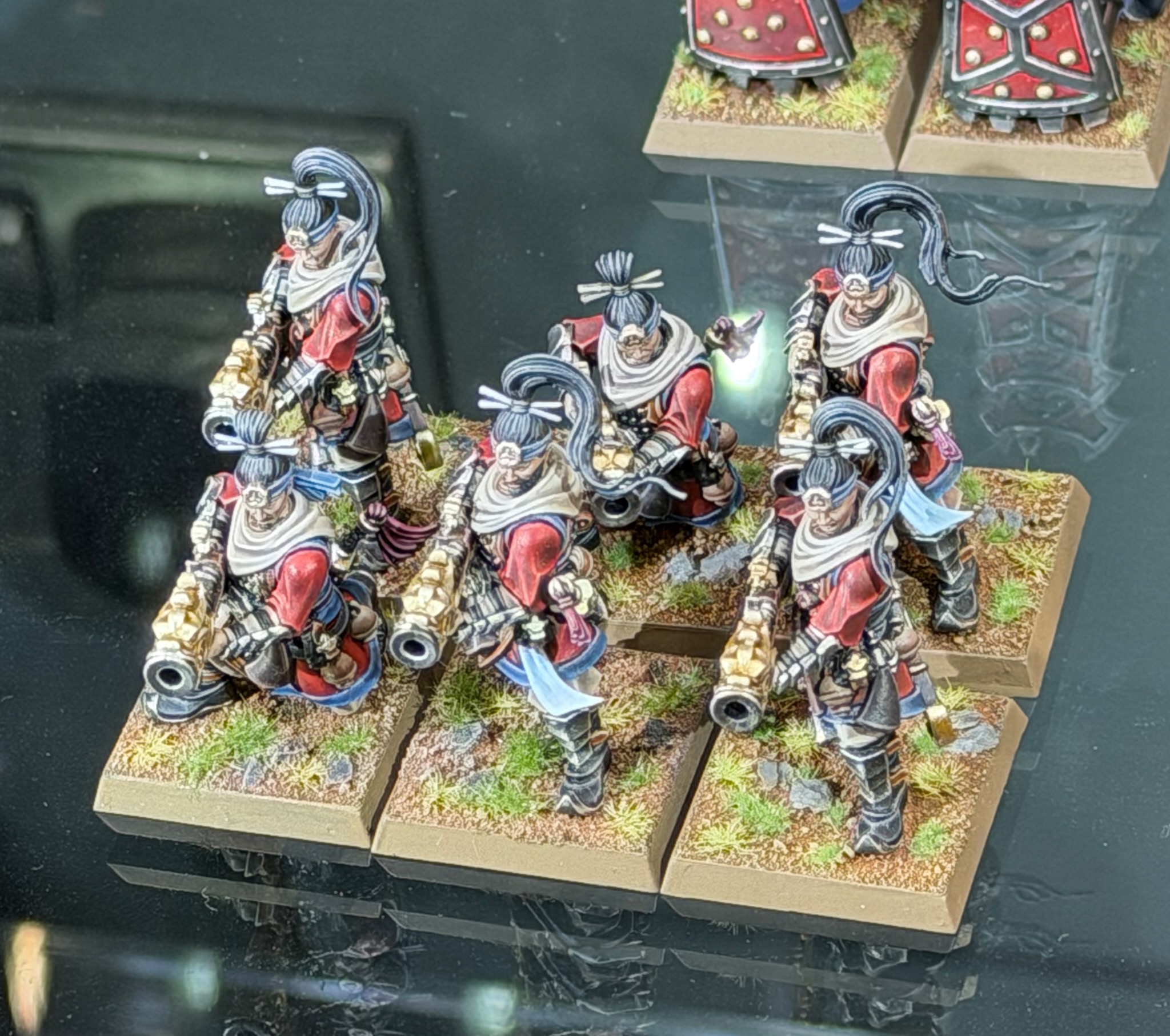
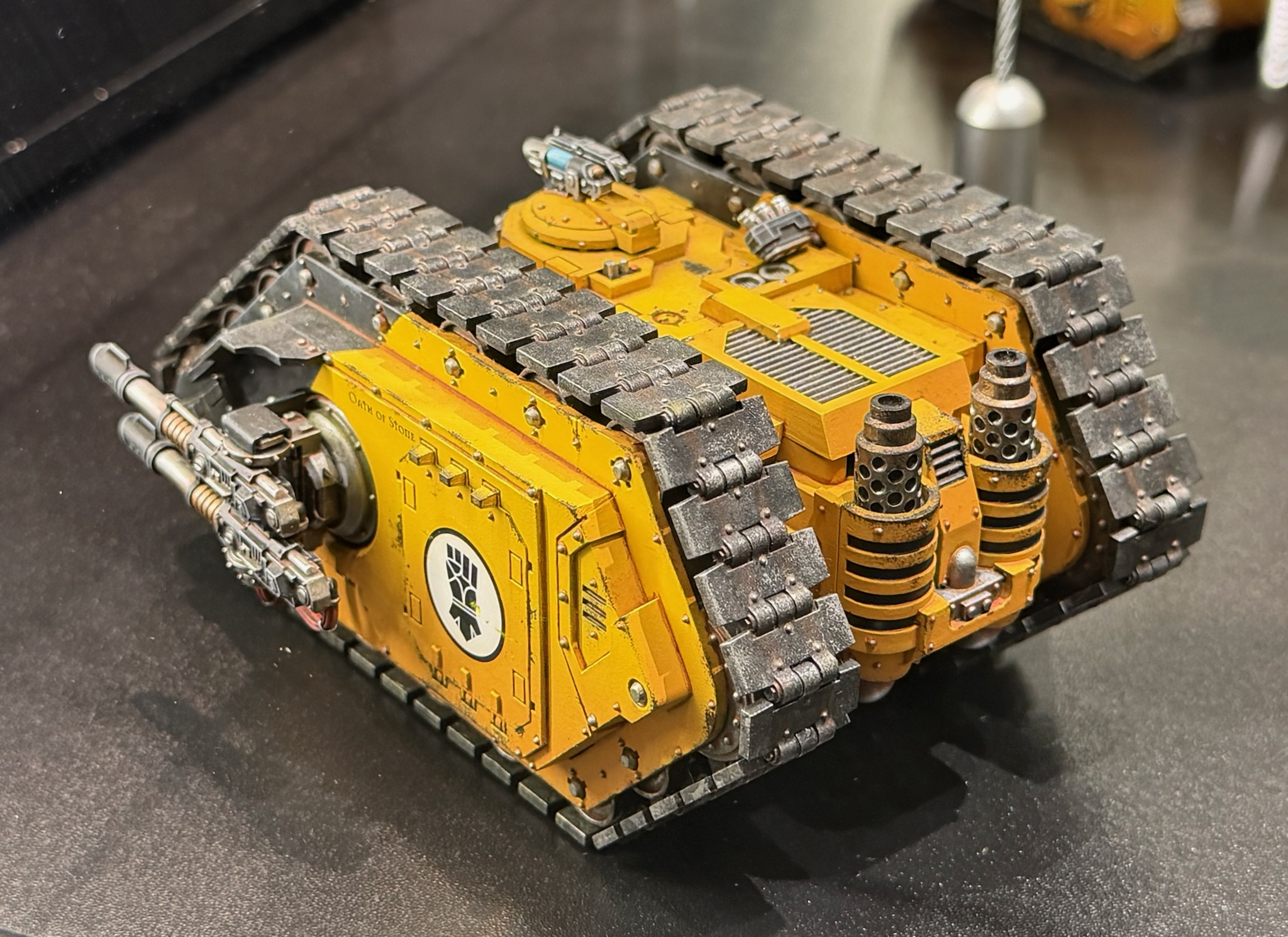
These Old World Orcs and Goblins were on display at Warhammer World.
Category: warhammer the old world
The Tomb Kings of Khemri of the Old World
The Tomb Kings of Khemri army in Warhammer: The Old World is a truly unique and visually striking force, embodying the ancient, desiccated might of a once-proud civilisation. Unlike the shambling, reanimated dead of the Vampire Counts, the Tomb Kings are not mindless zombies but rather the resurrected rulers and warriors of ancient Nehekhara, driven by the unwavering will of their mummified monarchs and the potent incantations of their Liche Priests. Their armies are a terrifying spectacle of bleached bone, rusted bronze, and an alien, ancient grandeur.
At the heart of every Tomb Kings army is the absolute authority of a Tomb King or Tomb Prince. These mummified rulers, often awakening with a renewed thirst for conquest, command their legions with a silent but absolute will. Their presence is vital, as the very cohesion and movement of the skeletal forces are tied to their magic. Alongside them stand the Liche Priests, the architects of the Tomb Kings’ unlife. These sorcerers of the Mortuary Cult wield the unique Lore of Nehekhara, which not only allows them to blast enemies with powerful curses and destructive magic but also to mend shattered bone and even re-animate fallen skeletons, ensuring the relentless advance of their army.
The rank and file of a Tomb Kings army consist of Skeleton Warriors and Skeleton Archers, seemingly endless hordes of reanimated soldiers from millennia past. While individually weak, their strength lies in their numbers and their terrifying resilience. Being undead, they are immune to psychology and cannot be broken by fear or casualties, simply crumbling away if too much damage is inflicted upon them. This allows them to form unyielding battle lines, holding back even the most ferocious charges through sheer weight of numbers. Supporting these infantry masses are the swift Skeleton Horsemen and Skeleton Horse Archers, providing mobile flanking forces or harassing fire. The thundering charges of Skeleton Chariots, crewed by skeletal warriors or even the elite Tomb Guard, deliver powerful impact hits and sow chaos in enemy ranks.
Beyond the basic skeletal legions, the Tomb Kings boast a terrifying array of monstrous constructs and elite animated guardians. The heavily armoured Tomb Guard, the sworn protectors of the kings in life and death, wield great weapons or halberds, forming unyielding elite infantry blocks. Towering Ushabti stalk the battlefield, colossal animated statues often armed with massive bows or great blades, capable of cleaving through entire units. More exotic horrors include the serpentine Sepulchral Stalkers that emerge from the sands to strike down foes, and the swift Necropolis Knights, fearsome riders atop giant, coiling constructs. For truly devastating blows, the Tomb Kings can field immense Necrolith Colossi or the terrifying Necrosphinxes, gargantuan constructs that embody the wrath of the ancient gods. Finally, the Screaming Skull Catapult hurls enchanted, flaming skulls that ignite the very air, spreading fear and destruction. The Tomb Kings army is a stark reminder of a glorious past, a relentless, unfeeling force that seeks to reclaim its ancient glory and sweep away the living empires that now stand upon the sands of their ancestral lands.
Bretonnians of the Old World
These miniatures from the Bretonnia army in Warhammer: The Old World were on display at Warhammer World.
The Kingdom of Bretonnia army in Warhammer: The Old World is a vibrant and iconic force, deeply rooted in the chivalric ideals of Arthurian legend and medieval France. Unlike many other factions, the Bretonnian military philosophy is almost entirely dictated by their unwavering faith in the Lady of the Lake and the rigid Code Chivalric. This results in an army that is highly specialised, emphasising powerful cavalry charges and the spiritual purity of its knights, supported by the common folk who make up the vast majority of the kingdom’s population.
At the core of any Bretonnian army are its Knights. These aren’t just mere soldiers; they are noble warriors, each striving to uphold their vows and ultimately achieve the ultimate quest: to drink from the Grail and become a Grail Knight. This pursuit of virtue is reflected in their distinct unit types. From the impetuous, glory-seeking Knights Errant who are yet to prove themselves, to the disciplined and unwavering Knights of the Realm who have taken their first vows, and finally the truly legendary Questing Knights and the near-mythical Grail Knights, each tier of cavalry represents a deeper commitment to the Lady and a greater martial prowess. Their signature tactic, the thunderous Lance Formation, allows them to deliver devastating charges, often shattering enemy lines in a single, glorious assault.
While the knights are the shining spearhead, the backbone of a Bretonnian army is undoubtedly its peasantry. Comprising the vast majority of the kingdom’s population, these humble folk serve out of duty and fear, led by their knightly lords. Men-at-Arms form the infantry blocks, wielding spears or halberds, and are often tasked with holding the line or protecting the flanks against enemies that the knights cannot outmanoeuvre. Peasant Bowmen, armed with longbows, provide ranged support, their arrows often tipped with prayers to the Lady for divine guidance. Though seemingly disparate, the peasants and knights form a cohesive, albeit socially stratified, fighting force. The Grail Reliquae, borne by devout Battle Pilgrims, serves as a powerful symbol of faith, inspiring courage in nearby peasant units and representing the very essence of Bretonnian piety on the battlefield.
Beyond these core elements, the Bretonnian army can include powerful figures like Dukes and Barons who lead their hosts, often mounted on majestic Hippogryphs or Royal Pegasi, soaring above the battlefield to strike decisive blows. Damsels and Prophetesses, handmaidens of the Lady, wield the divine magic of the Lore of the Lady, bolstering their allies and unleashing holy wrath upon their foes. For siege warfare or breaking heavily armoured foes, the Field Trebuchet provides powerful, albeit often inaccurate, artillery support. The overall impression of a Bretonnian army is one of glorious, disciplined charges, a blend of martial prowess and fervent faith, where every battle is fought not just for land or glory, but for the honour of the Lady and the chivalric ideal.
The Battle of Matorea
The Warhammer Old World diorama, “The Battle of Matorea,” is a breathtaking tableau that vividly brings to life a dramatic clash between the chivalrous Bretonnian Knights and the ancient, undead legions of the Tomb Kings of Khemri. This expertly crafted scene captures a pivotal moment in what must have been a desperate struggle, highlighting the contrasting aesthetics and fighting styles of these two iconic factions.
Settra the Imperishable lays siege to the coastal city of Matorea with a massive undead host as Cecil Gastonne, the Wyrm Slayer rallies its hopelessly outnumbered defenders. Just as the cityās defences begin to fail, the trumpeting of silver clarions sounds in the east, heralding the arrival of Duke Gastille. Have the duke and his knights arrived in time to lift the siege, or will they join the doomed defenders in a heroic death?
At the heart of the diorama, the Bretonnian Knights, resplendent in their vibrant heraldry and polished plate armor, are depicted mid-charge, lances lowered and banners flying high. The dynamism of their assault is palpable, conveying the sheer force and faith with which these champions of the Lady throw themselves into battle. One can almost hear the thundering hooves and the shouts of “For the Lady!” as they aim to shatter the brittle ranks of their skeletal foes. The diorama likely showcases various knightly orders, perhaps even a Duke or a Grail Knight, leading the charge with unwavering determination, their mounts rearing or galloping furiously into the fray.
Opposing this glorious charge, the Tomb Kings of Khemri present a stark and unsettling contrast. Their skeletal warriors, ancient and unfeeling, form an unyielding tide of bone and rusted bronze. Hierophants and Tomb Princes, perhaps astride macabre chariots or mighty constructs like Ushabti, would be strategically positioned, directing their automaton armies with an eerie, silent resolve. The diorama would no doubt emphasize the sheer numbers of the Tomb Kings, with ranks of skeleton warriors, archers, and perhaps even animated constructs like Screaming Skull Catapults or Necrolith Colossi, adding to the sense of overwhelming, relentless pressure. The bleached bones and dusty, tattered banners of Khemri create an atmosphere of dread and ancient power, starkly contrasting with the vibrant colours of Bretonnia.
“The Battle of Matorea” isn’t just a collection of miniatures; it’s a narrative frozen in time. The composition likely draws the viewer’s eye to key points of conflict ā a Bretonnian Knight’s lance impaling a skeletal champion, a Foot Knight desperately defending a standard against a tide of mummified horrors, or a magical duel between a Bretonnian Damsel and a Liche Priest. Through meticulous detail and expert painting, the diorama effectively conveys the chaos, heroism, and horror of war in the Old World, making it a truly immersive and captivating piece for any Warhammer enthusiast. It serves as a testament to the rich lore and enduring appeal of the setting, particularly the epic conflicts that define its factions.
The Siege of Volganoff
The Siege of Volganoff was originally displayed as the Siege of Altdorf at Games Day 2010 and was then put into place at Warhammer World in 2015. A few years later it was reduced in size. The Chaos forces were replaced with Orcs and the the ānewā diorama was entitled the Siege of Volganoff.
The diorama has changed quite a bit over the years. More photographs of the Siege of Volganoff.
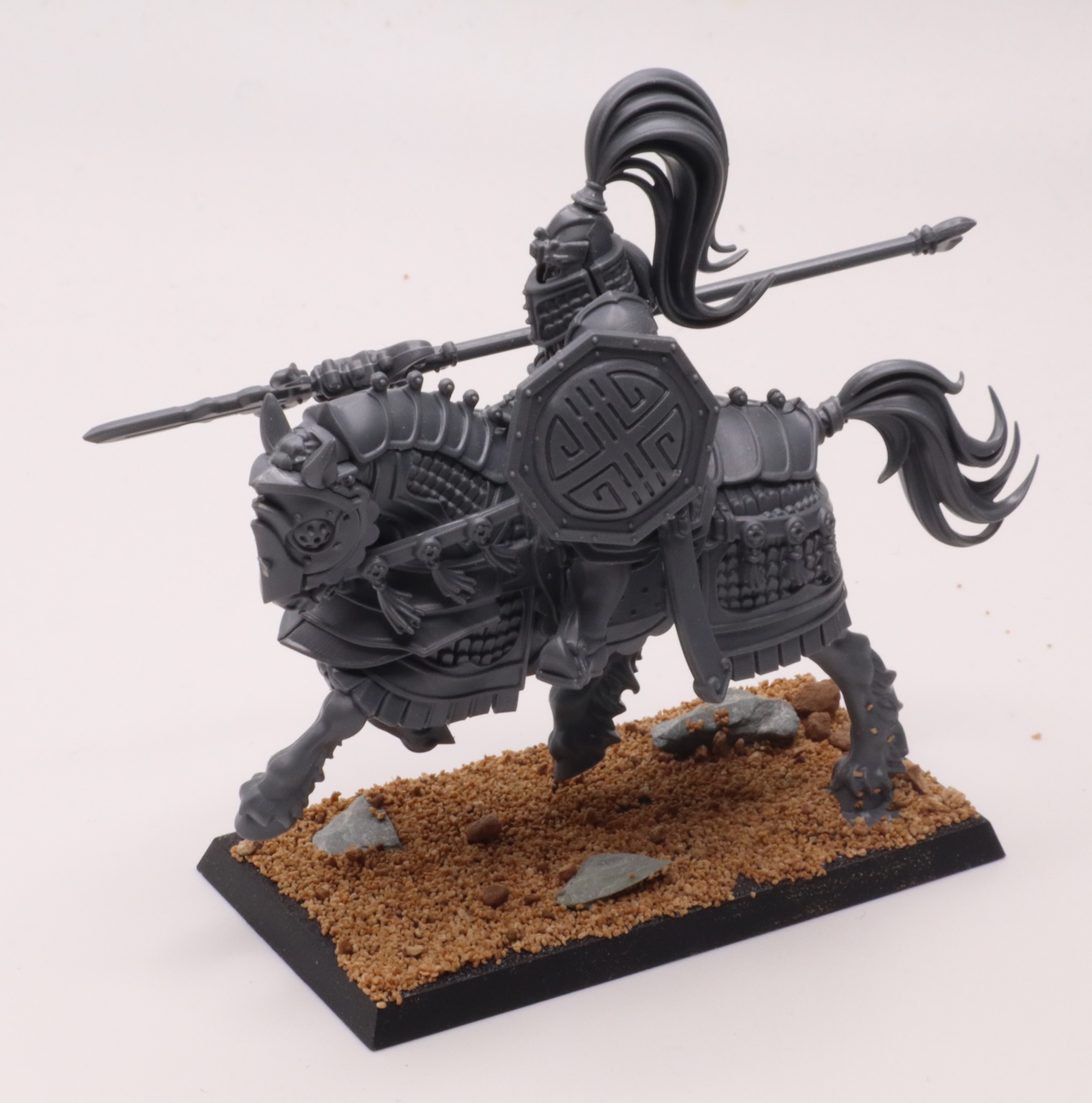
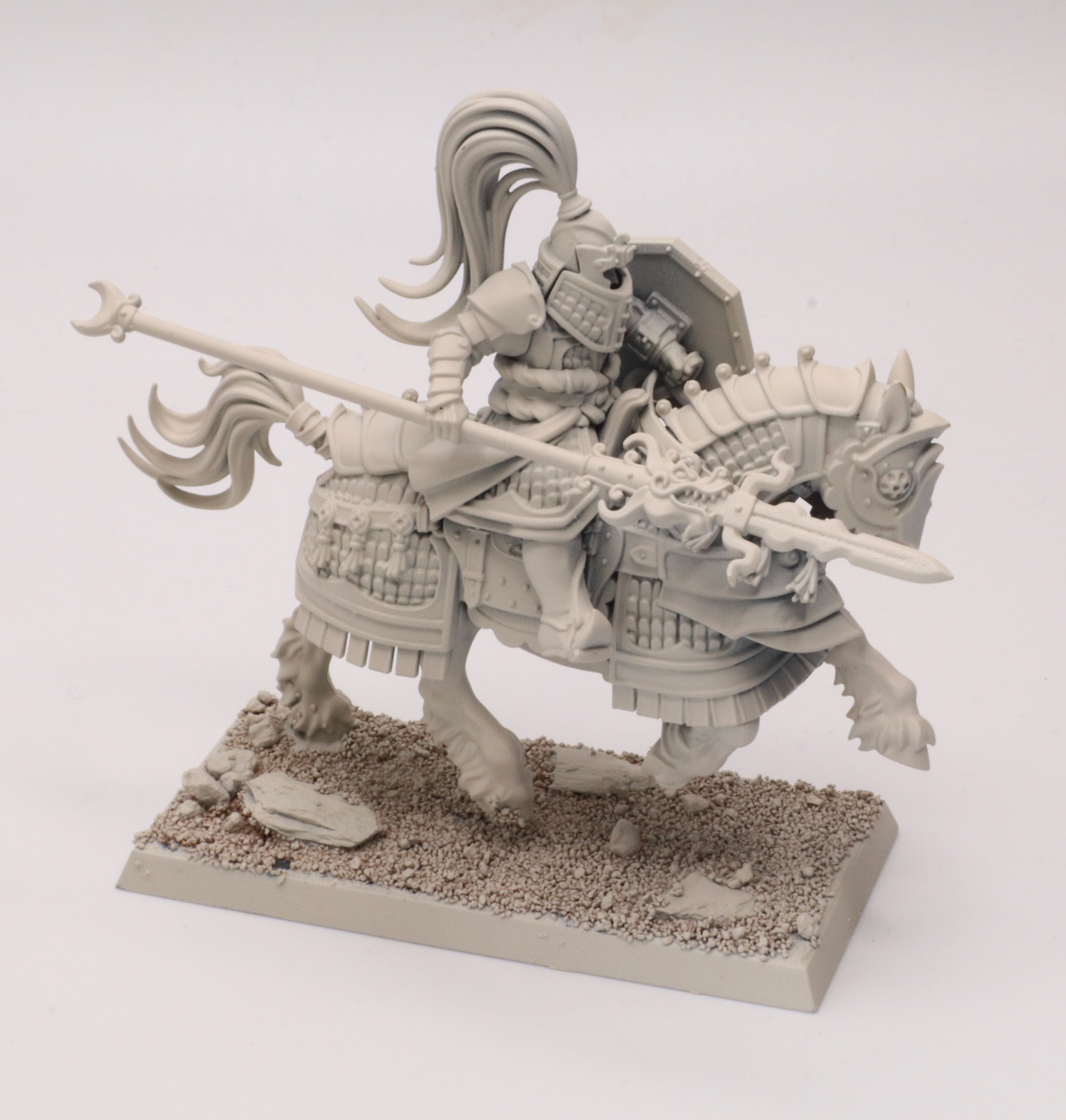
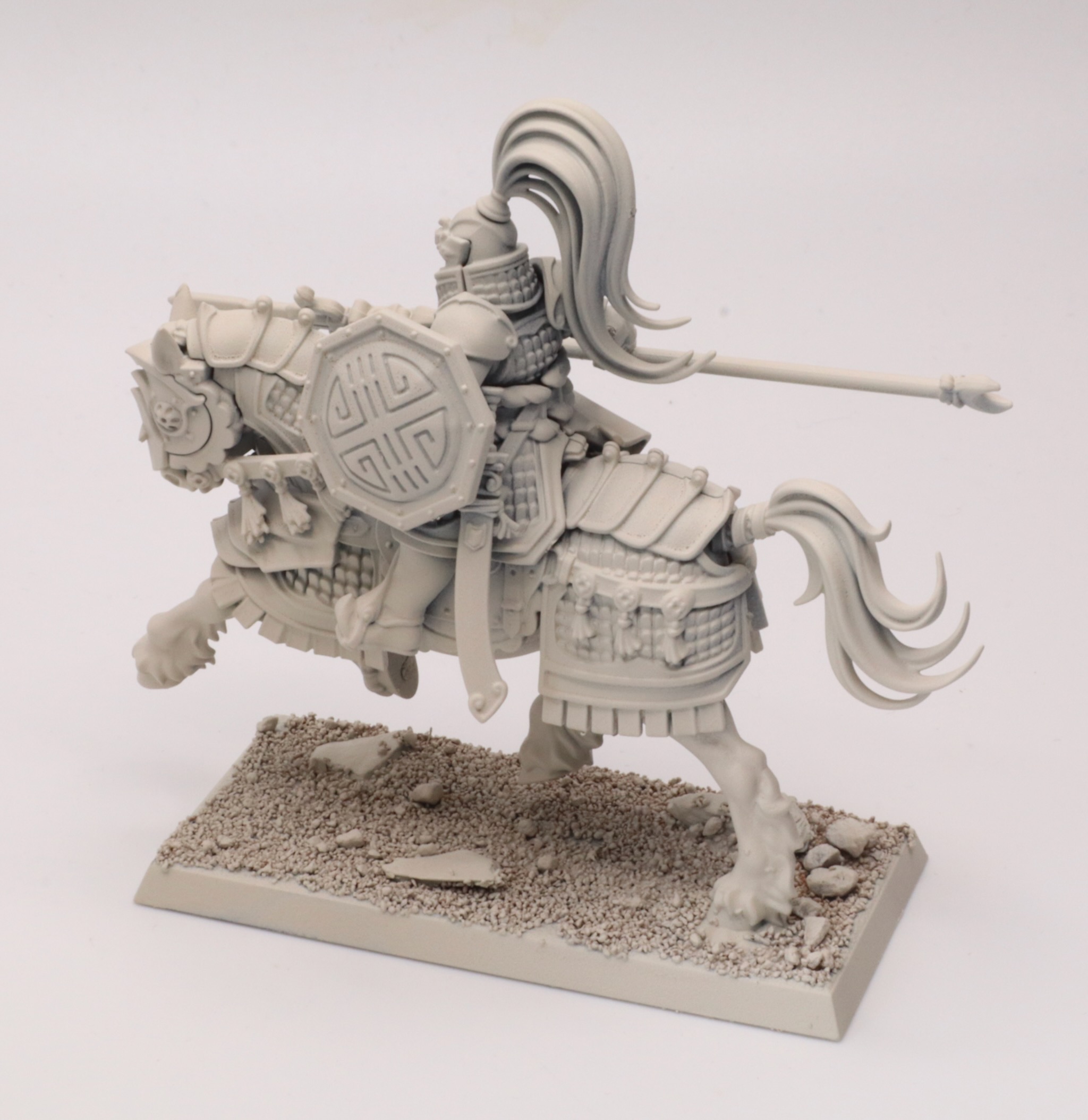
Army of Grand Cathay
I made a visit to Warhammer World in June 2025, in the display cabinets were the new models for the Army of Grand Cathay for Warhammer Old World.
Charged with the defence of the Great Bastion, the Armies of Grand Cathay are experienced and battle-tested warriors. For centuries, they have kept the legions of the Ruinous Powers at bay. Though the Empire of the Celestial Dragon lies far from the nations of the Old World, Cathayan merchants have plied the ocean waves for hundreds of years, and vast armies of Jade Warriors and Lancers pledge to fight alongside or against the armies of the west in times of peril.
Since I started playing Warhammer Fantasy back in the 1980s I al ways liked the idea of a Cathay army, now we have the models. I really like the Cathayan Sentinel and the Sky Lantern.
Warhammer High Elves
Old World Tomb Kings
These Old World Tomb Kings models were on display at Warhammer World.
A landscape cursed by the nefarious machinations of the dread necromancer Nagash, the realm of Nehekhara, once known as the Great Land thanks to its long enduring prosperity, is now the domain of the dead. This accursed land is ruled over by the ancient Tomb Kings and their legions of dread skeletal warriors.This supplement takes an in-depth look at the Land of the Dead, exploring the traditions and beliefs of this horrifying realm of cadaverous kings and their skeletal subjects.
The Merwyrm returns from the depths
In the Warhammer Community there was news about the re-release of the Merwyrm for Warhammer: The Old World.
The Merwyrms are distant, watery cousins of the dragons, among the most ancient beasts in the Old World. The Sea Lords sometimes summon and bind them to their will, letting them loose writhe in battle, battering and eviscerating the foe with their heavy bulk and sharp claws ā a dark, watery foil to the nobility of the dragons above.
Whatās interesting is the origins of the model.
This is a rare kit returning to the range for the first time in more than a decade ā a beast once part of the Warhammer Forge range.Ā
This did make me wonder if there will be future releases for Old World from the short lived Warhammer Forge range.
One of the models I always liked, but never bought was the Marienberg Landship.

This was a lovely model. Did think we would never see it again, now I am wondering if we will see it again?
Burlok Damminson on pre-order next week
This week we found out that this lovely dwarf miniature Ā goes on pre-order on the 18th January.
Burlok Damminson was an old dwarf in the era of Karl Franz, but we see him here as a young and impetuous inventor whoās really getting on the nerves of the Engineersā Guild⦠Heās armed with several proprietary experimental weapons, and substantially improves nearby ranged units by his very presence.
The model is made of Forge World resin.
Very tempting.