Sopwith 1½ Strutter

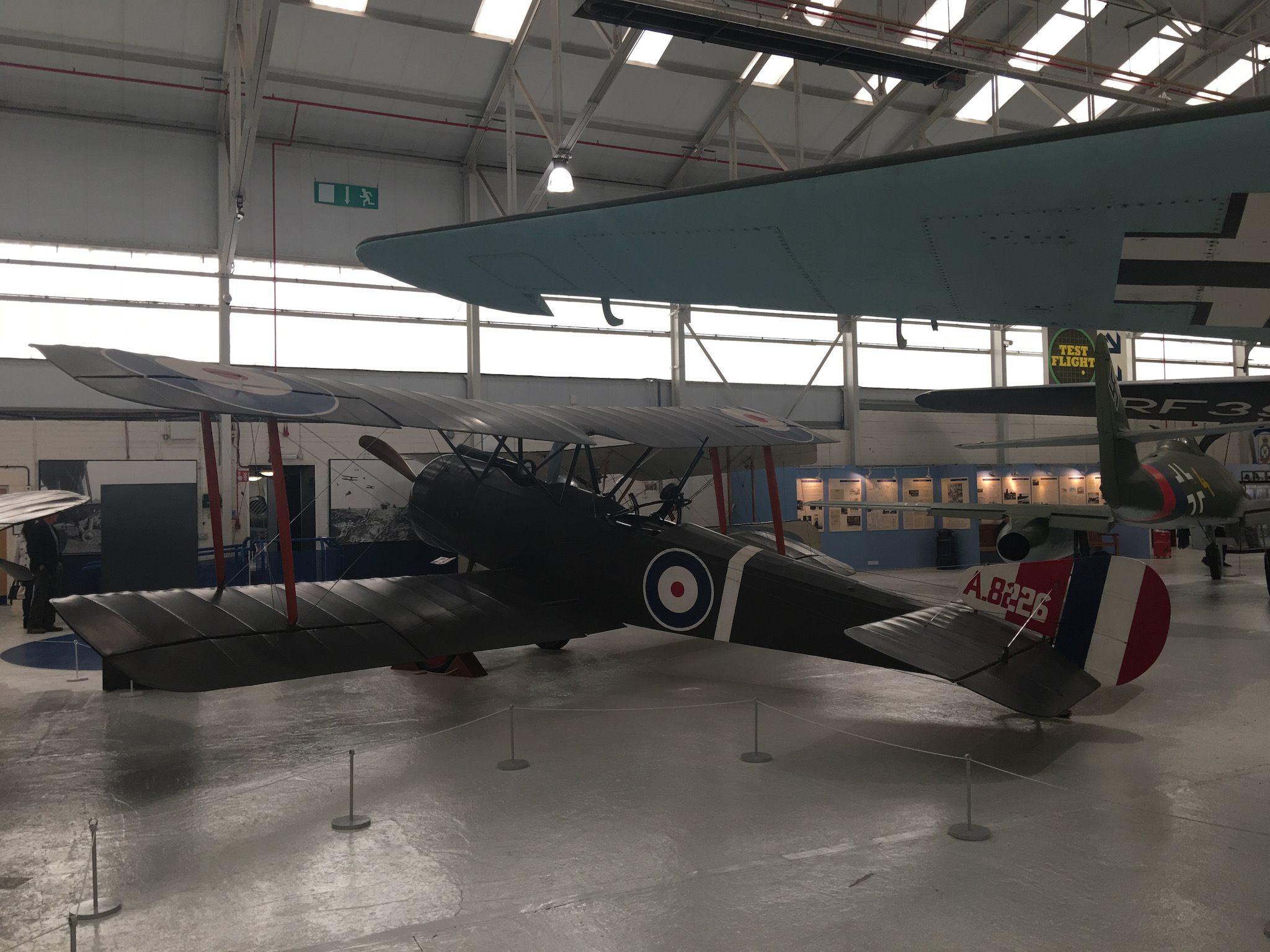
This Sopwith 1½ Strutter was on display at RAF Cosford.

The Sopwith two-seater, quickly named the 1½ Strutter because of the unusual arrangement of its central mainplane bracing struts, was designed in 1915 as a high performance fighting aircraft. It was ordered in large numbers for both the Royal Flying Corps and the Royal Naval Air Service and it was widely used by escadrilles of the French Aviation Militaire as well as Belgian and United States air forces.

This aircraft was built to original Sopwith factory drawings and flown in 1980. It bears the markings of A8226, which was initially allotted to the Royal Flying Corps in France on 25 April 1917 and was used by C Flight of No.45 Squadron. Its operational career ended on 27 May 1917 while being flown by Captain L.W. MacArthur with 2nd Lt A.S. Carey as his observer The aircraft was shot down by Leutnant Max von Muller of Jagdstaffel 28 as his thirteenth combat victory.

Yokosuka MXY-7 Ohka

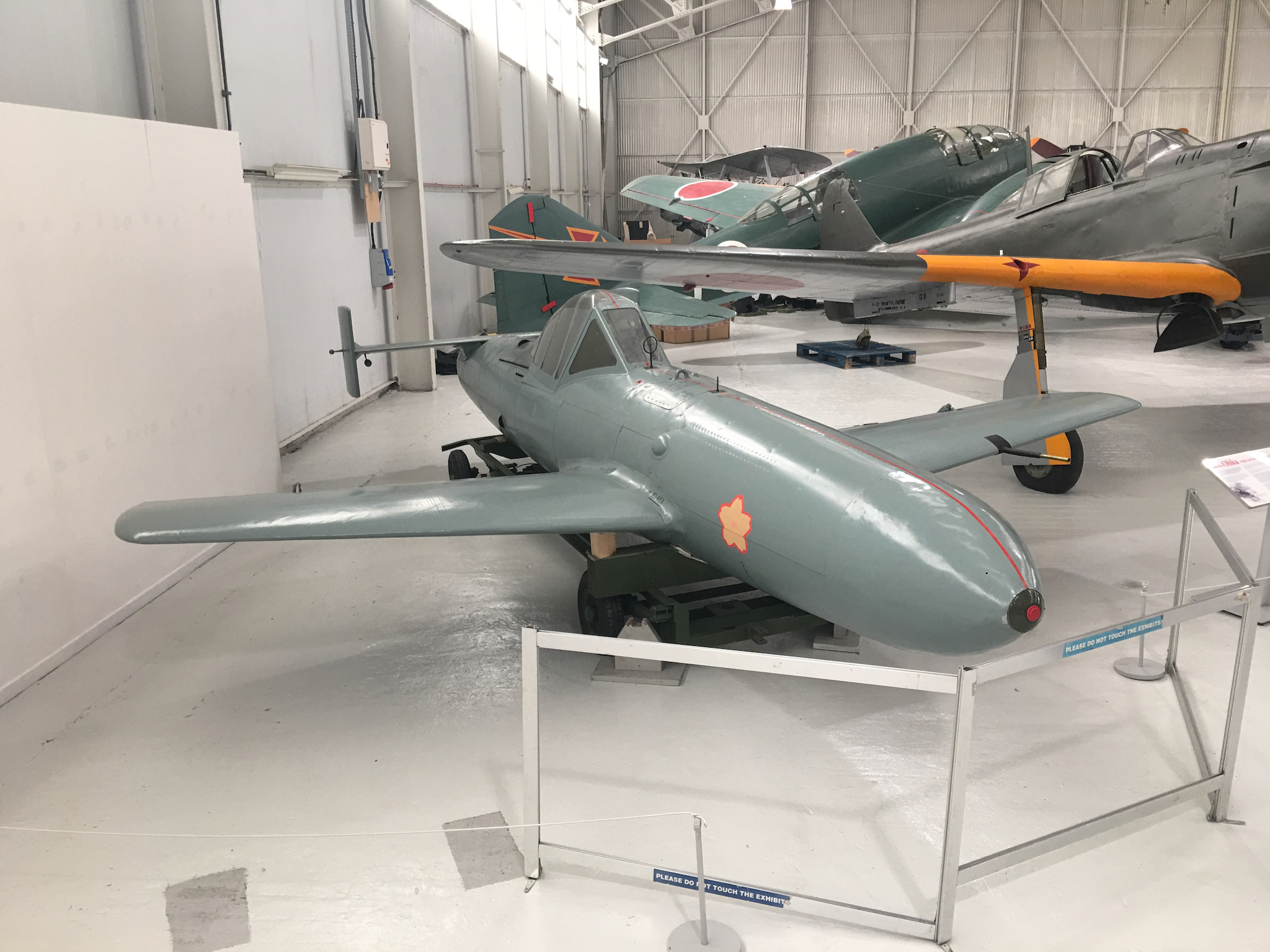
This Yokosuka MXY-7 Ohka was on display at RAF Cosford.

Yokosuka MXY-7 Ohka

The Yokosuka MXY-7 Ohka was a purpose-built, rocket-powered human-guided kamikaze attack aircraft employed by Japan against Allied ships towards the end of the Pacific War during World War II. Although extremely fast, the very short range of the Ohka meant that it had to be carried into action as a parasite aircraft by a much larger bomber, which was itself vulnerable to carrier-borne fighters. In action during the Battle of Okinawa in 1945, Ohkas were able to sink or damage some escort vessels and transport ships but no major warships were ever hit. Improved versions which attempted to overcome the aircraft’s shortcomings were developed too late to be deployed

Going grey with the Adeptus Astartes Flyers

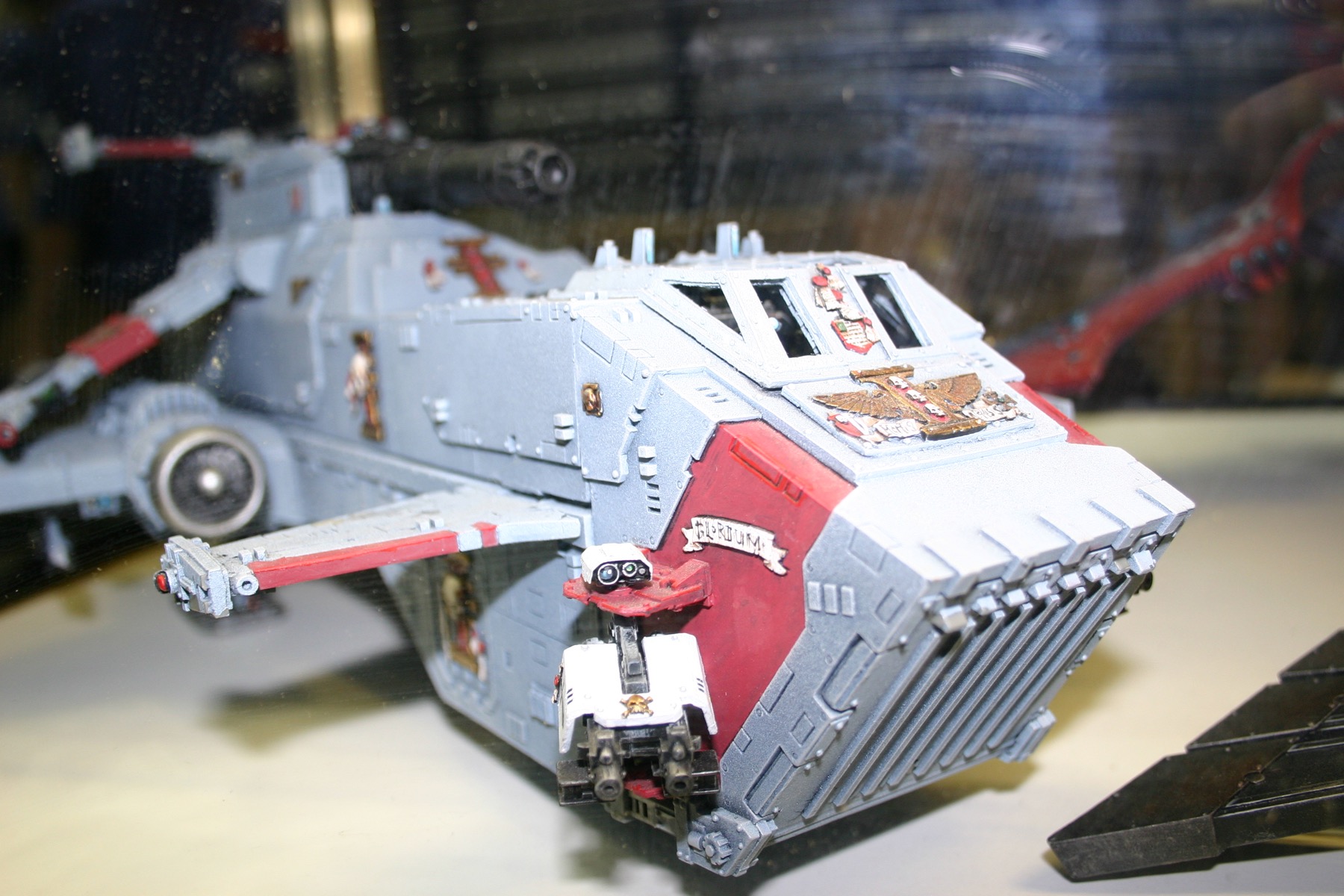
As with my Asuryani Flyers the next stage after giving the Adeptus Astartes models for Aeronautica Imperialis a white undercoat was to think about the colour scheme. I have the models from the Wrath of Angels and I now have a Thunderhawk as well. I did think about Ultramarines blue, then Salamanders green, but in the end decided on painting them up as Grey Knights. Forge World had a display of a Grey Knights Thunderhawk at a GamesDay event which is what inspired me.

Grey Knights Thunderhawk

I think this could work, however they used a grey colour scheme rather than the metallic finish of the Grey Knights themselves.

So I gave the Storm Eagles a basecoat of Basilicanum Grey contrast paint.

I did the same with the Xiphon Interceptors.

The next stage will be that heavy dry brush and then a lighter dry brush to draw out the highlights and make the models look more like the Forge World Grey Knights.

After that it will be detailing the hull (with red), the engines and weapons.

Going green with the Asuryani Flyers

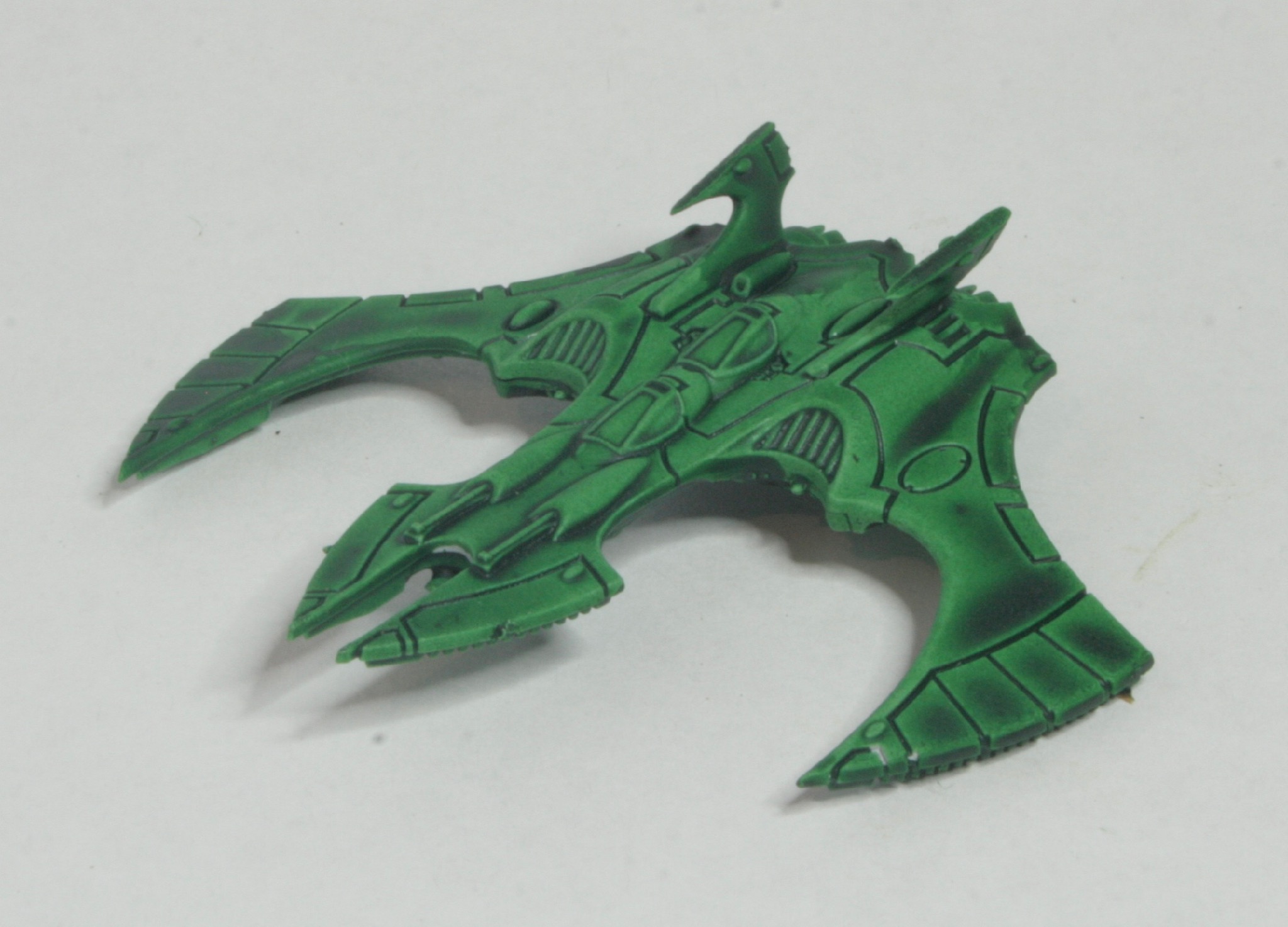
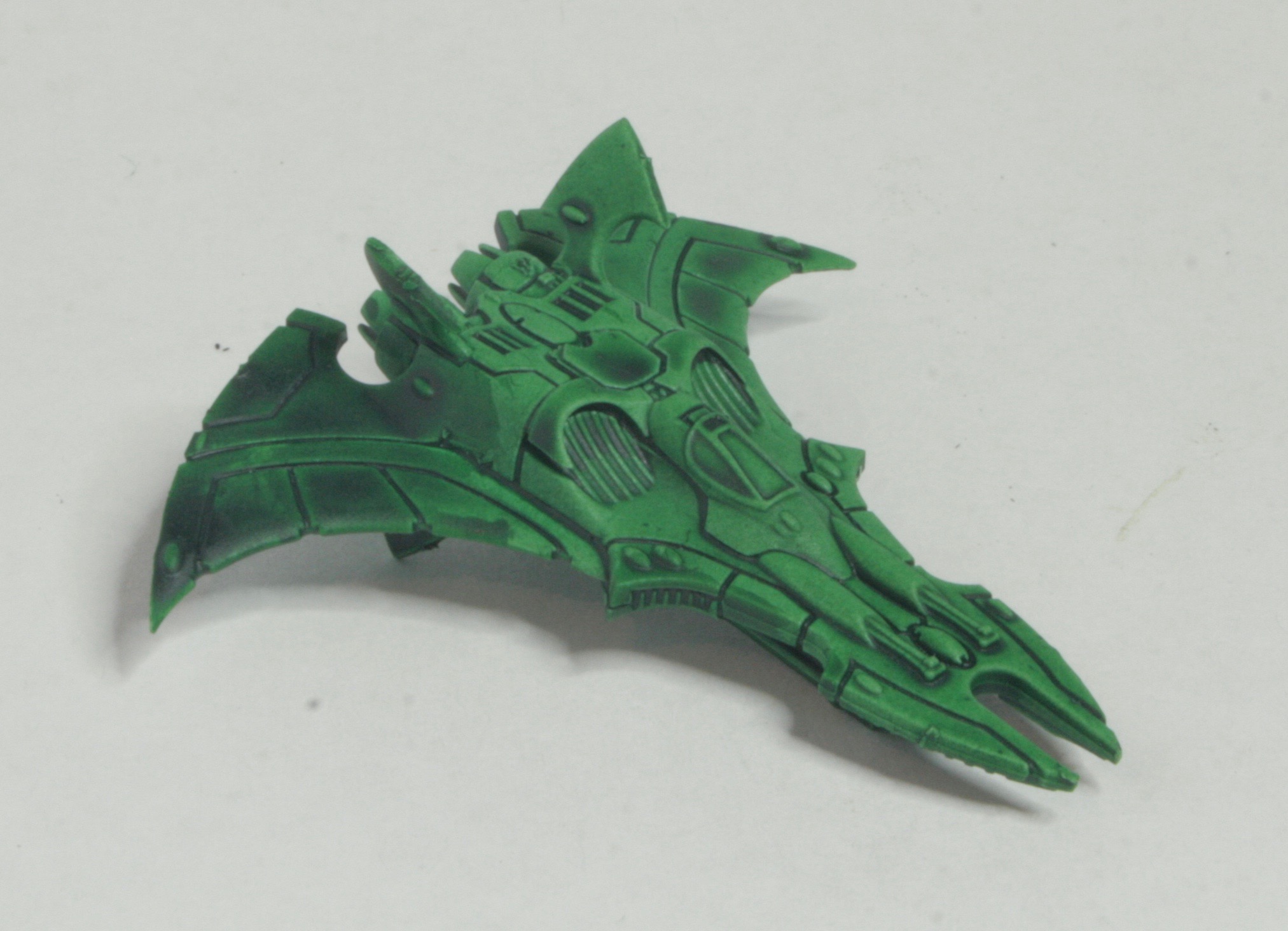
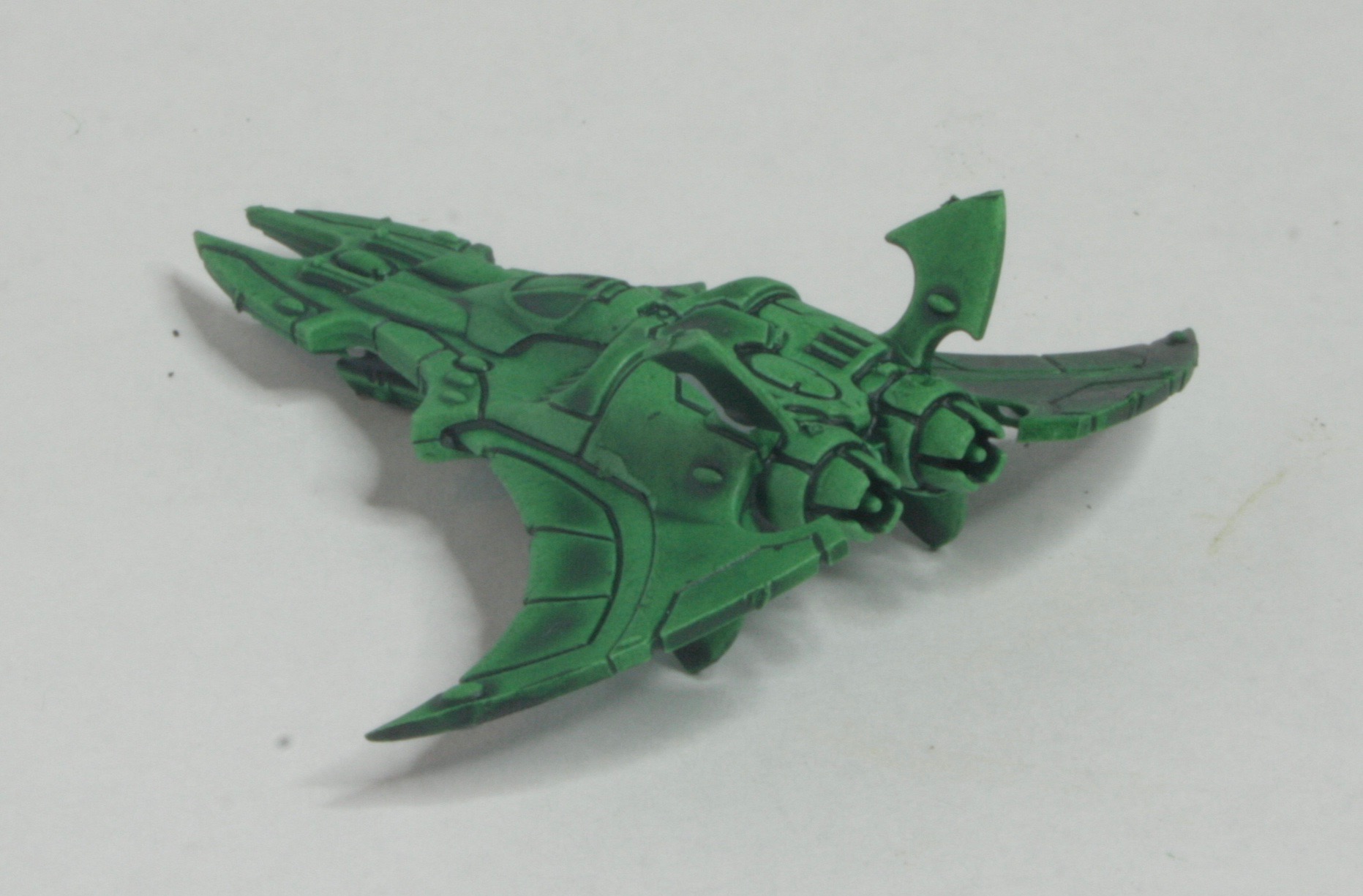
These are the Asuryani Flyers (though I think of them as Eldar Flyers) that came with the Wrath of Angels boxed game.

You get three Nightwing fighters, in the Wrath of Angels boxed game, you also get three Phoenix Bombers.

So the next stage after giving the Asuryani Flyers for Aeronautica Imperialis a white undercoat was to think about the colour scheme.

My Ork flyers are red and yellow, so decided I wanted something different to that. My Imperial Navy flyers are dark blue, and again I wanted to avoid duplication. So what was left on the colour wheel was potentially green.

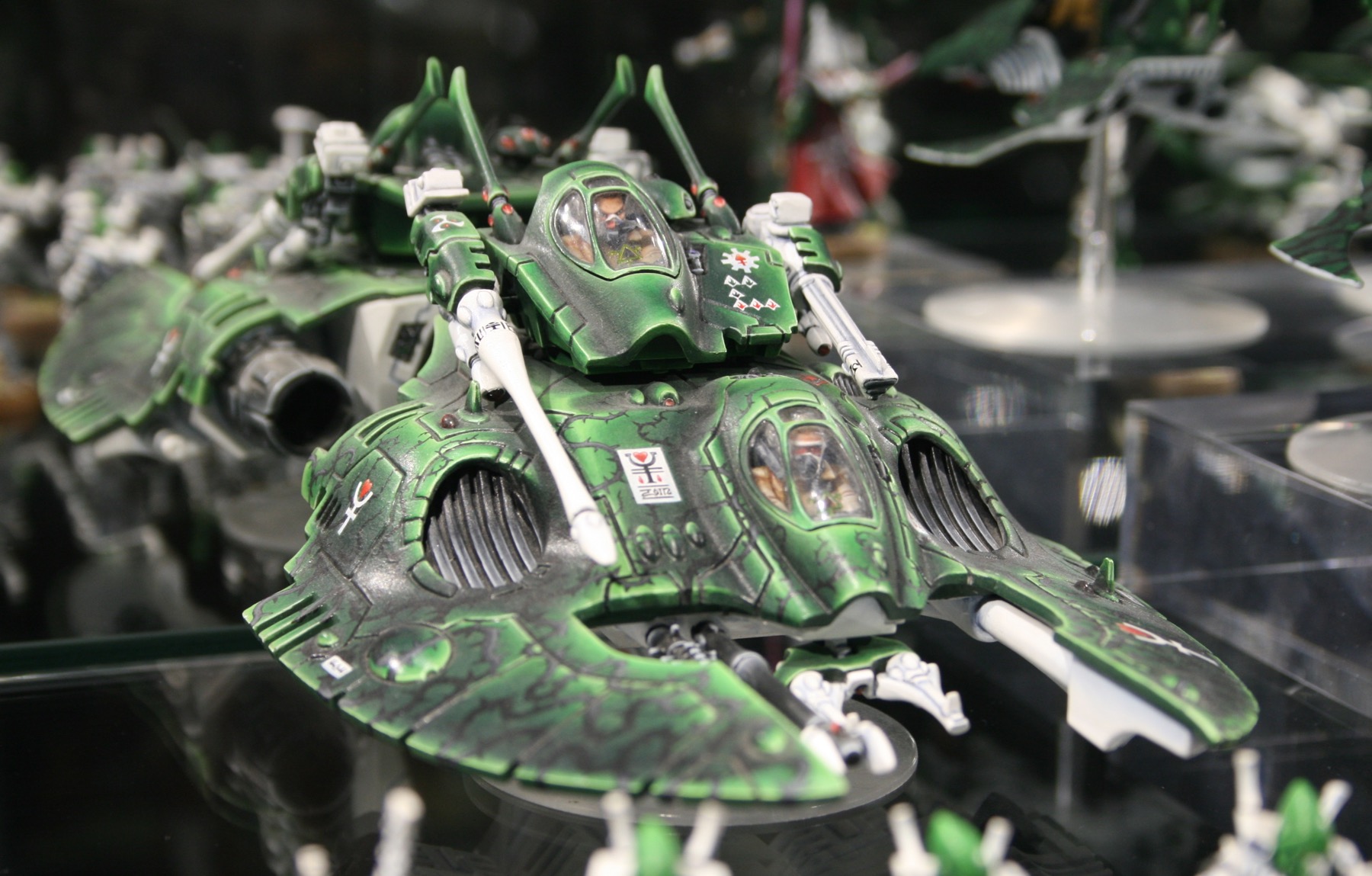
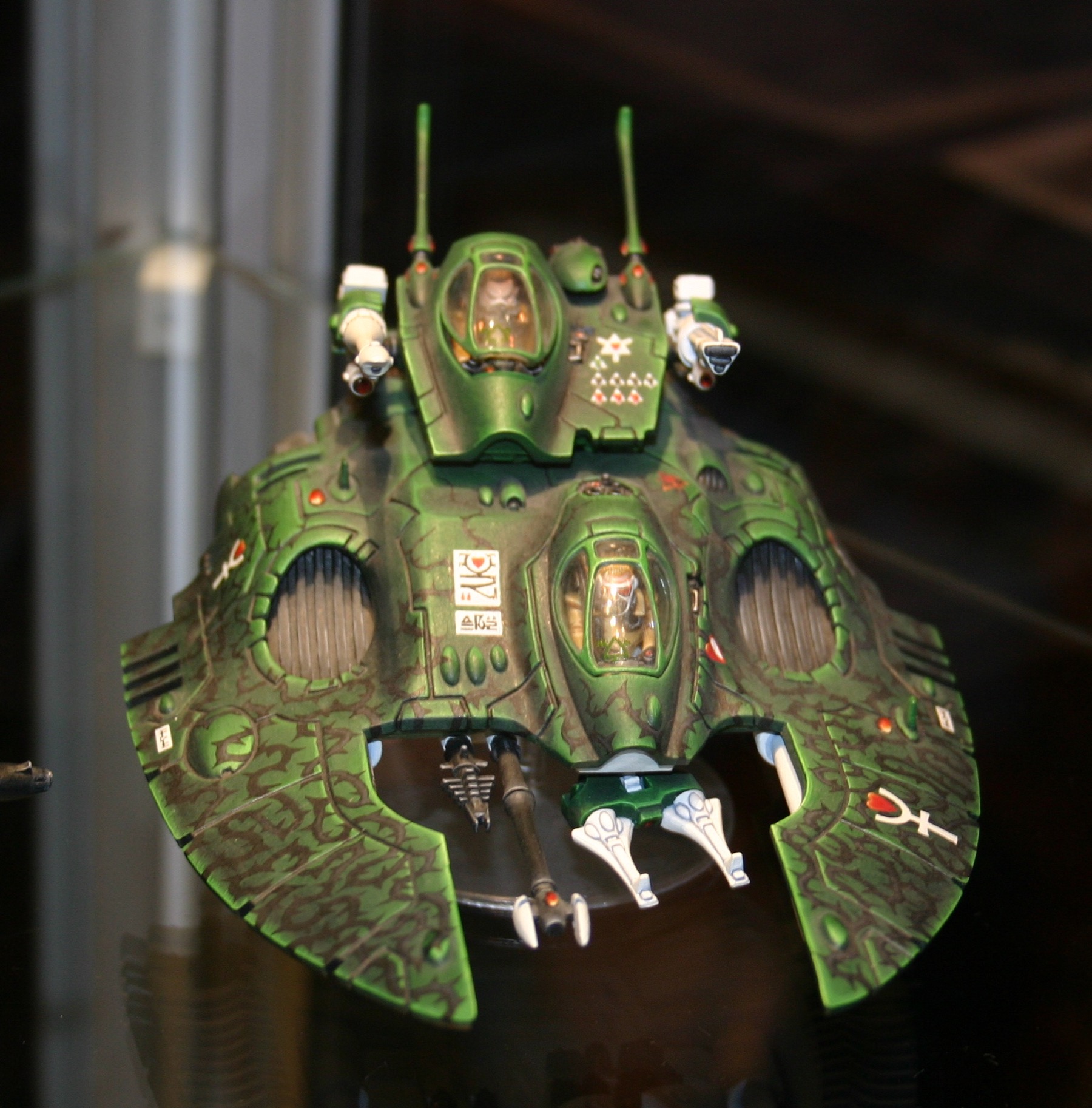
I did quite like this Eldar colour scheme from the GW displays at Warhammer World and Games Day.

Eldar Falcon
Falcon Grav Tank

And this one.

Falcon Grav Tank
Falcon Grav Tank

So that was that really, I was going green.

It did what I wanted on the model in the sense of adding shadow to the panel lines.

This wasn’t as effective has I hoped with some pooling in places on the flat wings.

I think with a heavy dry brush I can retain the shadows and remove some of the effects of the pooling.

The next stage will be that heavy dry brush and then a lighter dry brush to draw out the highlights.

After that it will be detailing the engines and weapons.

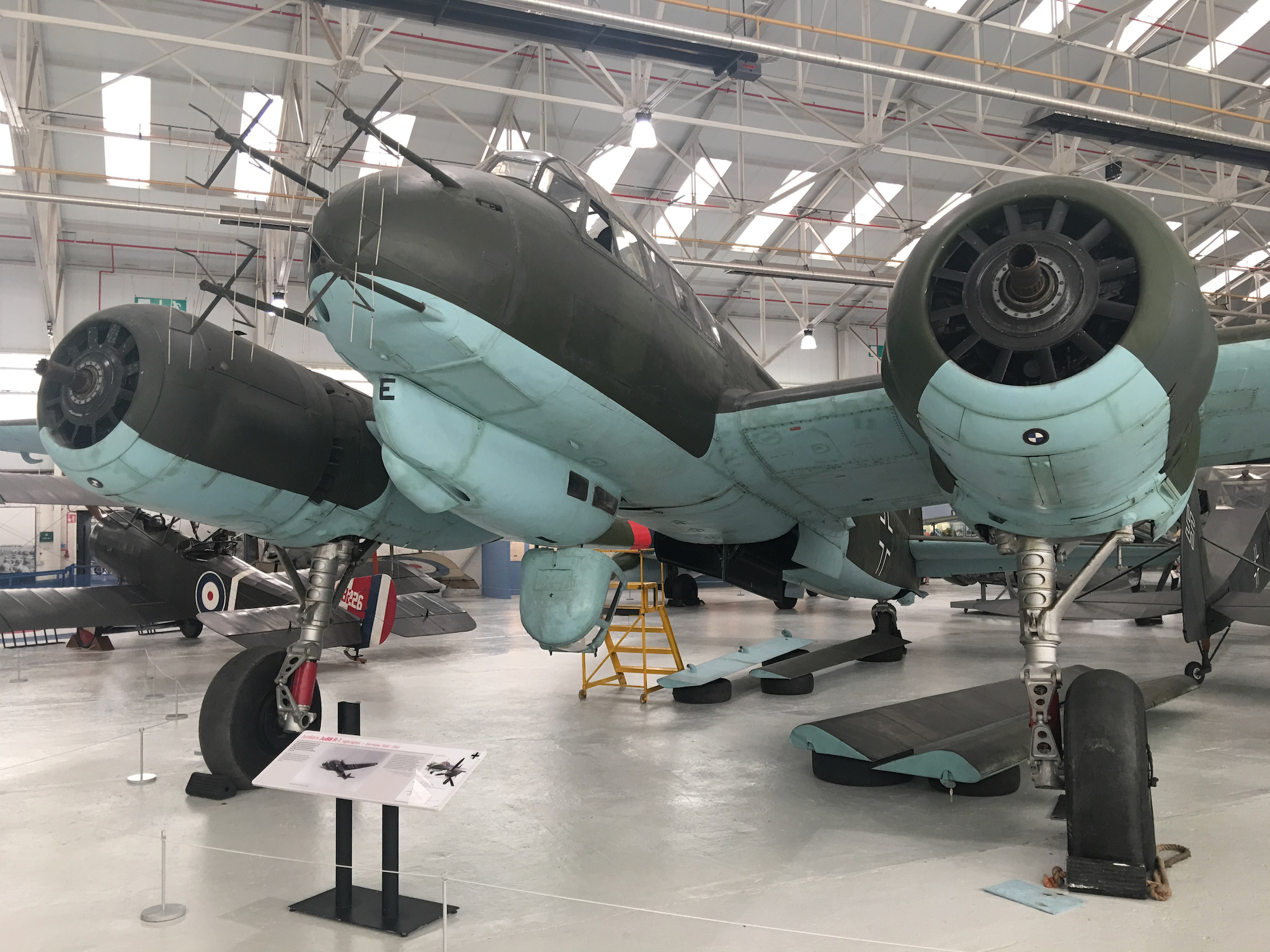
Junkers Ju88R-1

The Ju88 was the most versatile German combat aircraft in World War Two. It began life as a bomber, became a night fighter and intruder; undertook anti-shipping operations and flew long-range reconnaissance missions. It is one of the truly great multi-role combat aircraft.

This Ju88R-1 was a C-series night fighter with BMW 801 engines and was on display at RAF Cosford.

Deliveries of the first production aircraft took place in September 1939 and on the 26th it undertook its first operational mission against British shipping in the Firth of Forth. It was not until the Battle of Britain, however, that the Ju88A played a major role in German operations. At the time of the Battle of Britain the Ju88 was at the beginning of its service career and its remarkable adaptability, particularly as a night fighter, had still to be exploited by the Luftwaffe.

This aircraft is thought to have been built in mid–1942 as a model A bomber, before being converted to a model R–1 fighter in early 1943. It was flown to Scotland by its defecting crew in May 1943; two of the three crew on board (who may have been British agents) had taken the decision to defect after being ordered to shoot down a civilian BOAC Mosquito courier flight from Sweden to the UK.

The surrender of this aircraft was of great intelligence value at the time, as it was fitted with the latest UHF-band FuG 202 Liechtenstein BC A.I radar. The Ju 88R-1 was operated by the RAF’s No. 1426 (Enemy Aircraft) Flight and evaluated in depth by various British groups.


Adding the basecoat to the Bolt Action Home Guard Mark IV Tank

I am in the process of building a Bolt Action 28mm Home Guard force, I did want to add some armour to them with a Mark IV Male World War One tank put into service, even if it was merely as a mobile pillbox.

The Bovington Tank Museum has on display a Mark IV Male tank that was used just in this way. It was used in World War One and then presented to the Navy. When war broke out in September 1939, the Tank Mark IV (Male) number 2324 was refurbished for Home Guard duties.

Having constructed and undercoated the Mark IV Tank the next stage was a base coat.

Back in the day I bought a can of Team Yankee Chieftain Green which I used to spray my 15mm Team Yankee Scimitars. I also used it to spray one of my Forge World Warhammer 40K Grot Tanks as well. I decided I would base coat my Mark IV with it.

However going to the cupboard I saw that it had leaked some yellow sticky stuff, which I am thinking might be the propellant. However despite that I decided I would paint the tank with the spray. However after going for it, I realised that I wasn’t going to be able to finish the tank, as the propellant ran out.

Hmmm.

I did look at possible alternatives, attempting to find a new paint which matched the colour of Team Yankee Chieftain Green.

There are various conversion charts available online and it was clear from a couple that Vallejo Model Color 894 Russian Uniform was a match.

My local FLGS however doesn’t sell Vallejo paints, it stocks Citadel and The Army Painter range. Finding a match with those was more challenging.

In the end I decided I really didn’t need to worry. The Home Guard Mark IV (male) World War One Tank could probably be any shade of (army) green.

So I bought a can of Army Green Spray from the Army Painter range.

Back home I gave the Mark IV a base coat and I am quite pleased with the final shade.

More soon…

Undercoating the Xiphon Interceptors for Aeronautica Imperialis

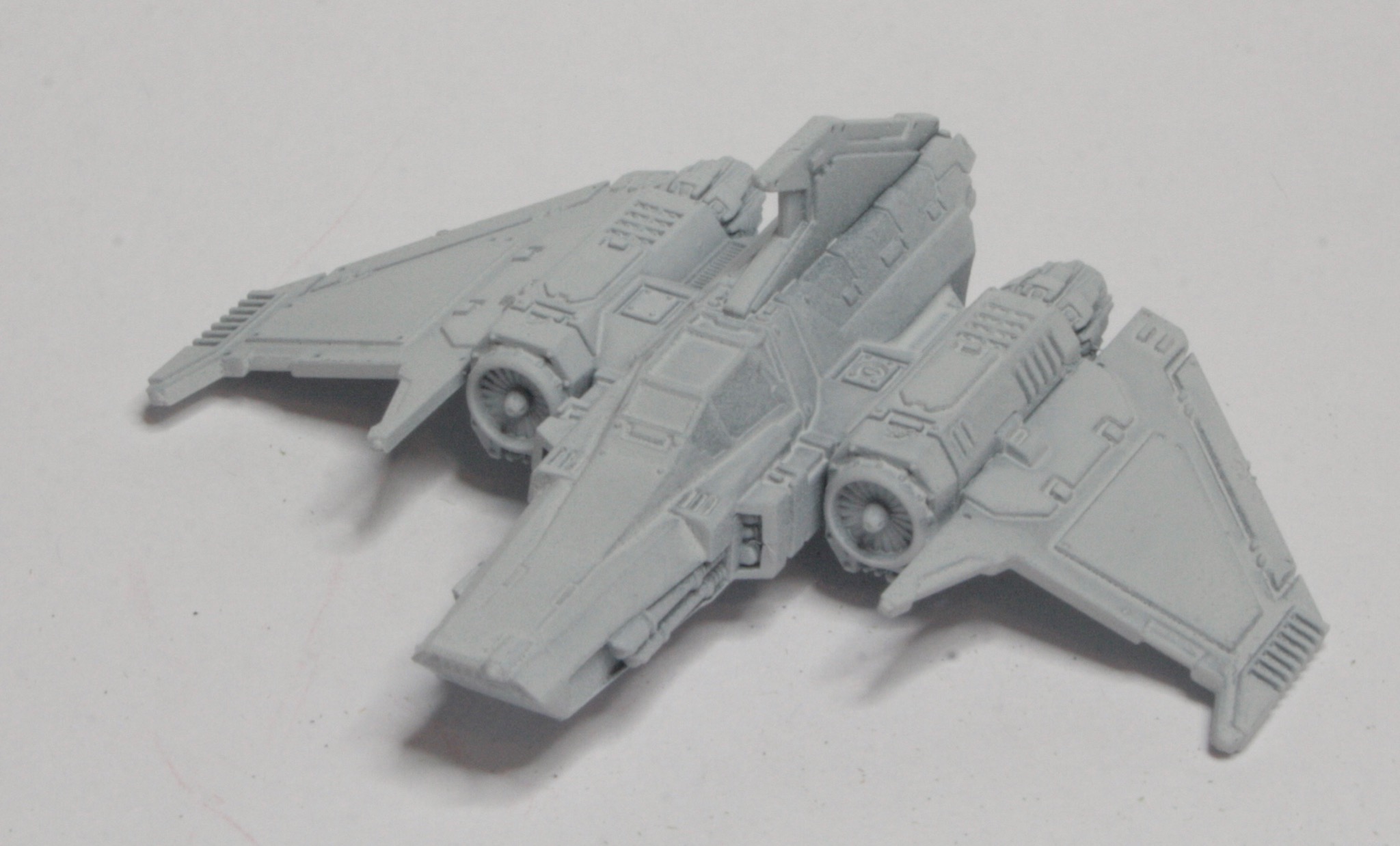
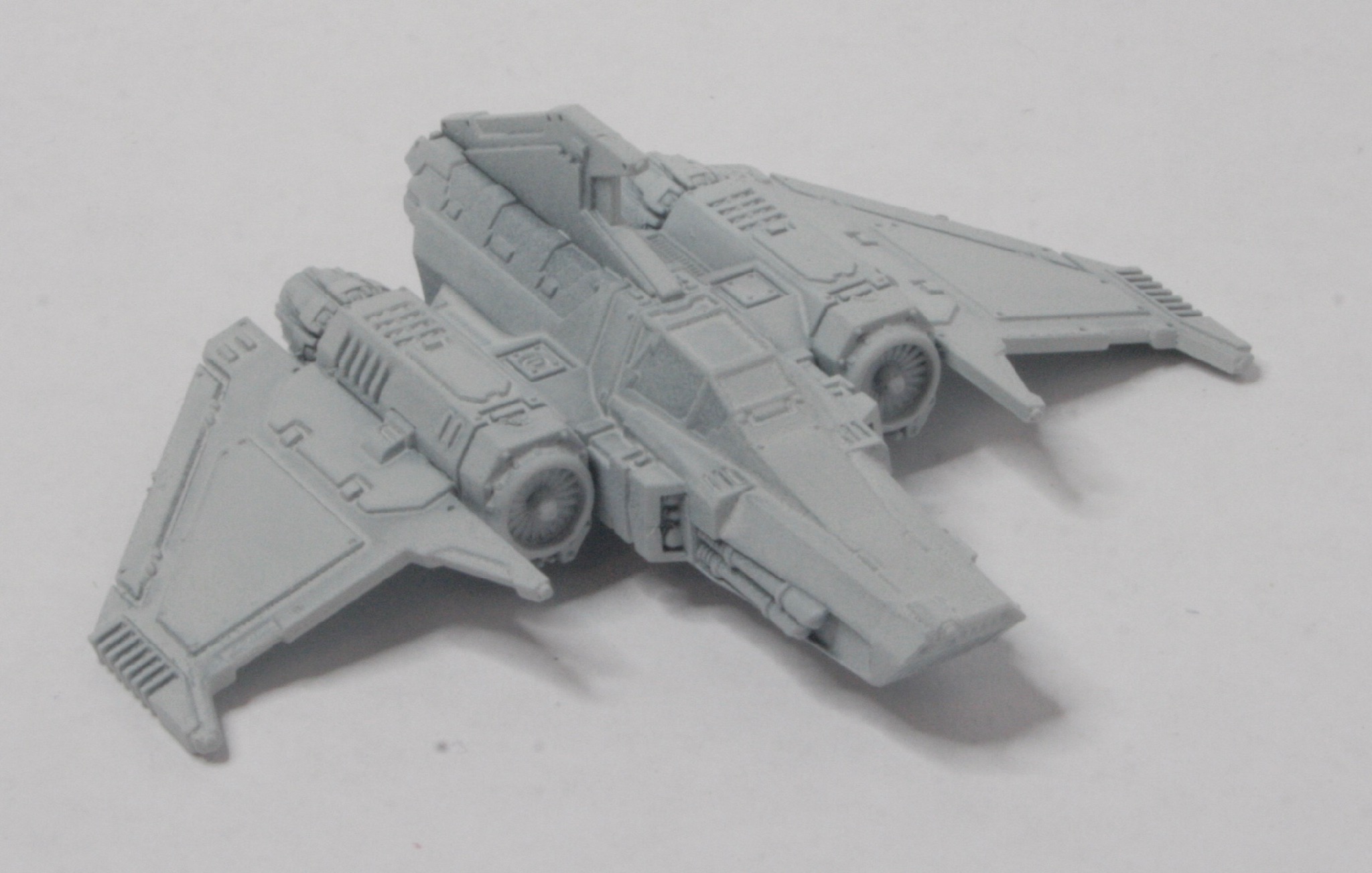
Having constructed the Xiphon Interceptors for Aeronautica Imperialis I gave them a white undercoat.

The next stage will be the basecoat.

I did think about Ultramarines blue, then Salamanders green, but now thinking about painting them up as Grey Knights.

Undercoating the Asuryani Flyers for Aeronautica Imperialis

Having constructed the Asuryani Flyers for Aeronautica Imperialis I gave them a white undercoat.

This is one of the three Phoenix Bombers I have built.

This is one of the Nightwing fighters.

Next step will be the basecoat.

Giant Robot

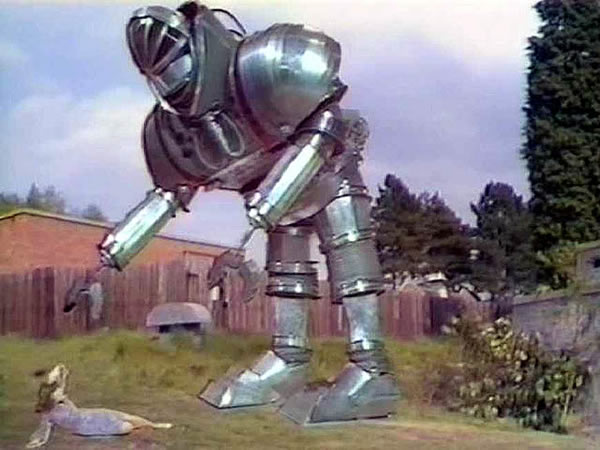
The first episode with the fourth Doctor (Tom Baker) was Robot.

Mortally weakened by the Spider Queen on Metebelis 3, the Doctor is forced to regenerate. His recuperation is cut short as UNIT investigates a spate of robberies involving components for a top-secret disintegrator gun. The culprit is quickly identified as a highly sophisticated robot built by Professor Kettlewell, being ordered to act against its Prime Directive.

Just how is the robot being used to carry out the sinister agenda of the Scientific Reform Society? Can the Doctor rescue Sarah from the robot’s clutches and avert a nuclear war?

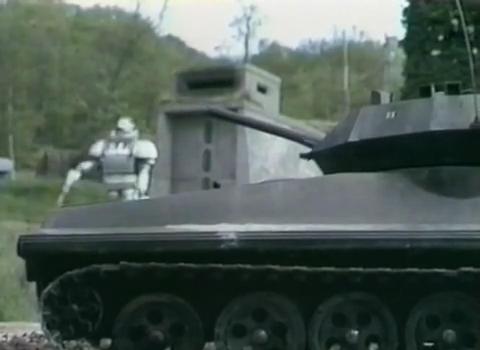
I really like this episode, lots of UNIT action (even if they do use an Action Man Scorpion Tank in one shot).

Action Man Scorpion Tank

Many years ago I picked up some Harlequin Miniatures, one of which was the Giant Robot, which (eventually) I got around to painting.

Here is the finished miniature.

Here is my workbench feature on the Robot.

This is the “normal” size of the Robot when we first meet it.

Of course…

Spoiler Alert

One of the plot points in the story is that the Robot does get bigger… that’s the reason the novelisation is called Doctor Who and the Giant Robot!

In that blog post I wrote about the large action figures from the Doctor Who series.

I wish I had bought one of the 7″ Action Figures of the Robot as that would be perfect for the big version. If I see one, I might get one, but I don’t think they make it anymore, which is a pity.

I did though more recently see that Eagle Moss did make a collectible figurine of the Robot and did think about getting one.

Well I was in our local store, MT Games, it sells a range of second hand SF memorabilia, and on a recent visit I noticed they had one of the Eagle Moss Robots, so I bought it.

Doctor Who Giant Robot

I need to take some photographs of it another time, but the model is 6” (15cm) tall and I think perfect for 25mm games involving Doctor Who.

It also makes me realise I may need to do a little more work on the 25mm version of the Robot.

Asuryani Flyers for Aeronautica Imperialis

These are the Asuryani Flyers (though I think of them as Eldar Flyers) that came with the Wrath of Angels boxed game.

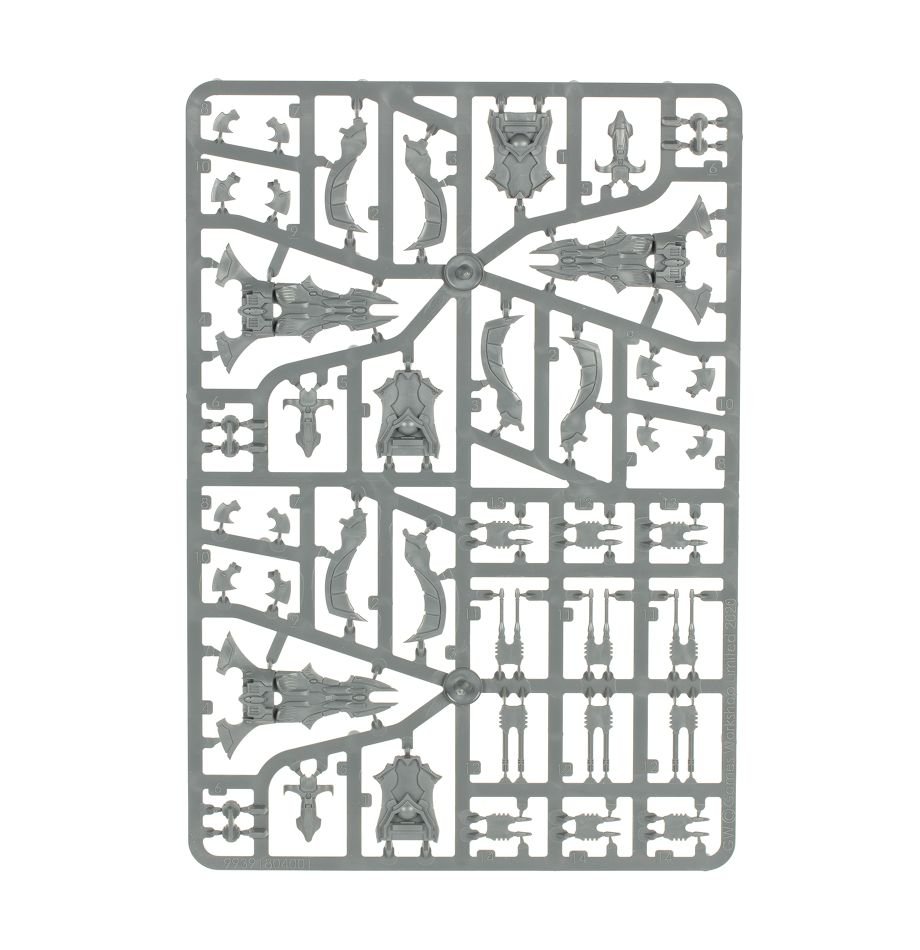
You get three Nightwing fighters.

The primary aircraft employed by the enigmatic xenos known as Craftworld Aeldari, Nightwing fighters possesses a level of speed and manoeuvrability that appears preternatural. In battle, squadrons of Nightwings weave around enemy aircraft, tearing their foe apart with bursts of fire from shuriken cannons and bright lances. The Asuryani air fleet is full of intensely fast, hard-hitting yet fragile aircraft. Nightwings are all of these, with the speed and maneuverability to stay out of the line of fire and set up an ideal tailing position before unleashing devastating firepower. 

There are three of these in the Wrath of Angels boxed set. These are the painted versions on the GW website.

There are three models on the single sprue you get in the Wrath of Angels boxed set.

These were simple models to construct, though the swing wings were a little fiddly.

They do move, but I kind of expect them get “stuck” once undercoated and painting.

Next step will be a white undercoat.

In the Wrath of Angels boxed game, you also get three Phoenix Bombers. Continue reading “Asuryani Flyers for Aeronautica Imperialis”