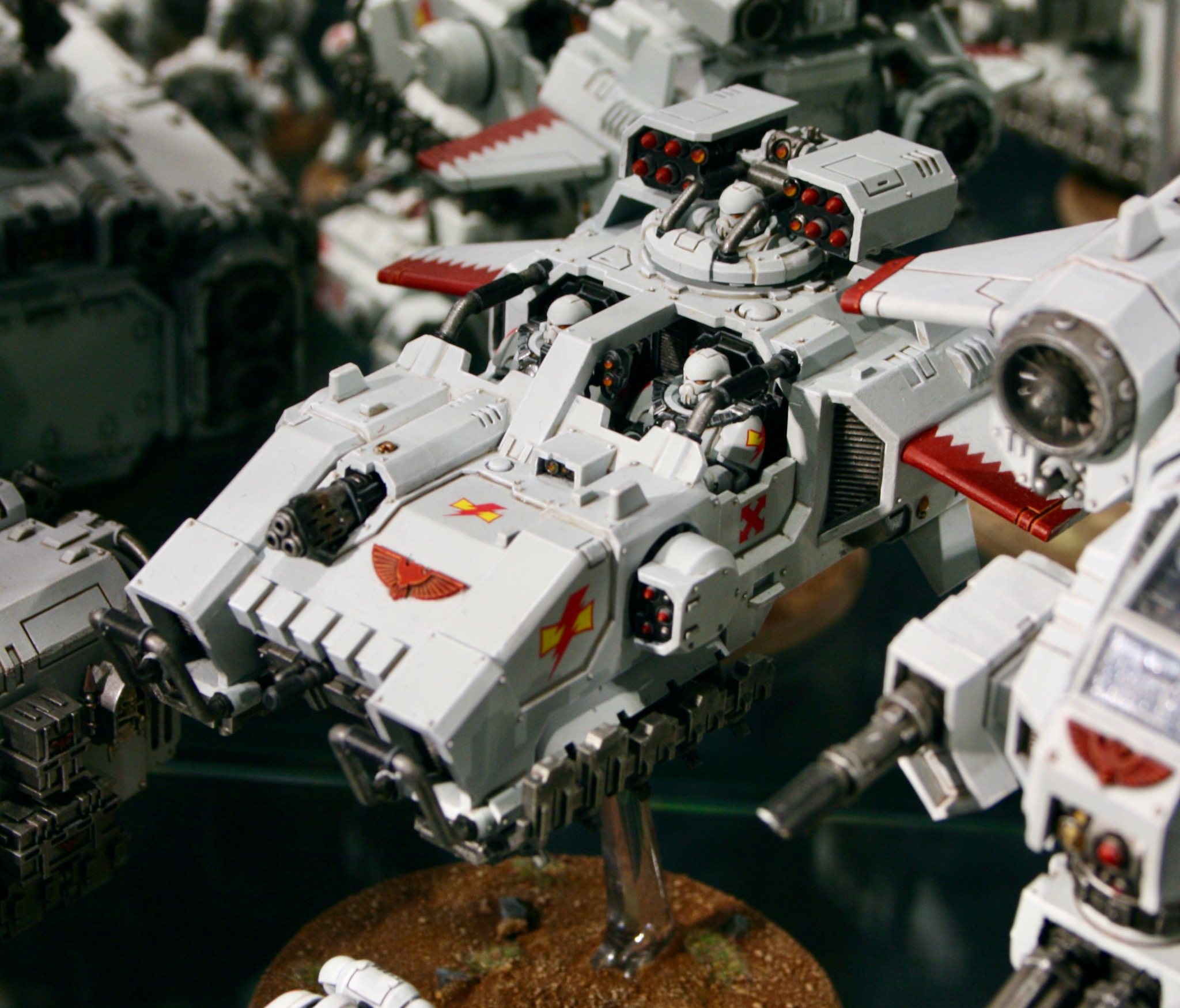
The Hammerstrike excels at rooting out enemies from trench and bunker networks. Sweeping low over the battlefield, it employs searing melta blasts and volleys of rockets to crack the foe’s defence lines wide open.
warhammer, wh40k, flames of war, bolt action, aeronautica imperialis, star wars, models, news, views and stuff
The Hammerstrike excels at rooting out enemies from trench and bunker networks. Sweeping low over the battlefield, it employs searing melta blasts and volleys of rockets to crack the foe’s defence lines wide open.
This Heavy Gun Tank Conqueror Mark I was on display at The Tank Museum.

The FV 214 Conqueror, also known as Tank, Heavy No. 1, 120 mm Gun, Conqueror was a British heavy tank of the post-World War II era. It was developed as a response to the Soviet IS-3 heavy tank.
The Conqueror’s main armament, an 120 mm gun, which was larger than the 20-pounder gun carried by its peer, the Centurion.
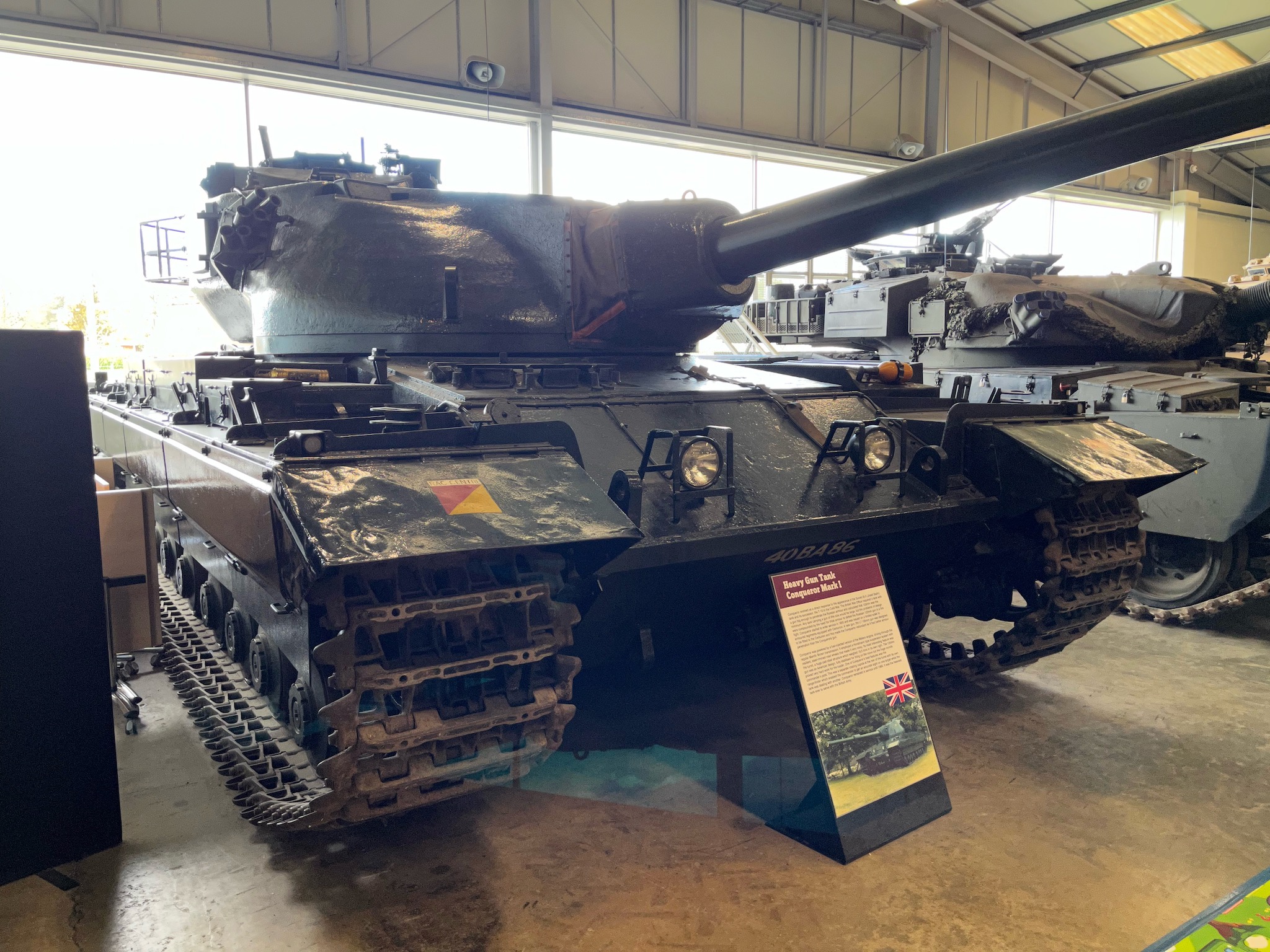
The Conqueror’s role was to provide long range anti-tank support for the Centurion. Nine Conquerors were issued for each regiment in Germany, usually grouped in three tank troops.
Overall 185 Heavy Gun Tank Conquerors were built. The first was produced in 1955.
They were in service until 1966, both the Conqueror and the Centurion were replaced by the Chieftain.
There was a Heavy Gun Tank Conqueror Mark I at the Land Warfare Exhibit at the Imperial War Museum Duxford. I managed to photograph it back when I visited in 2019.
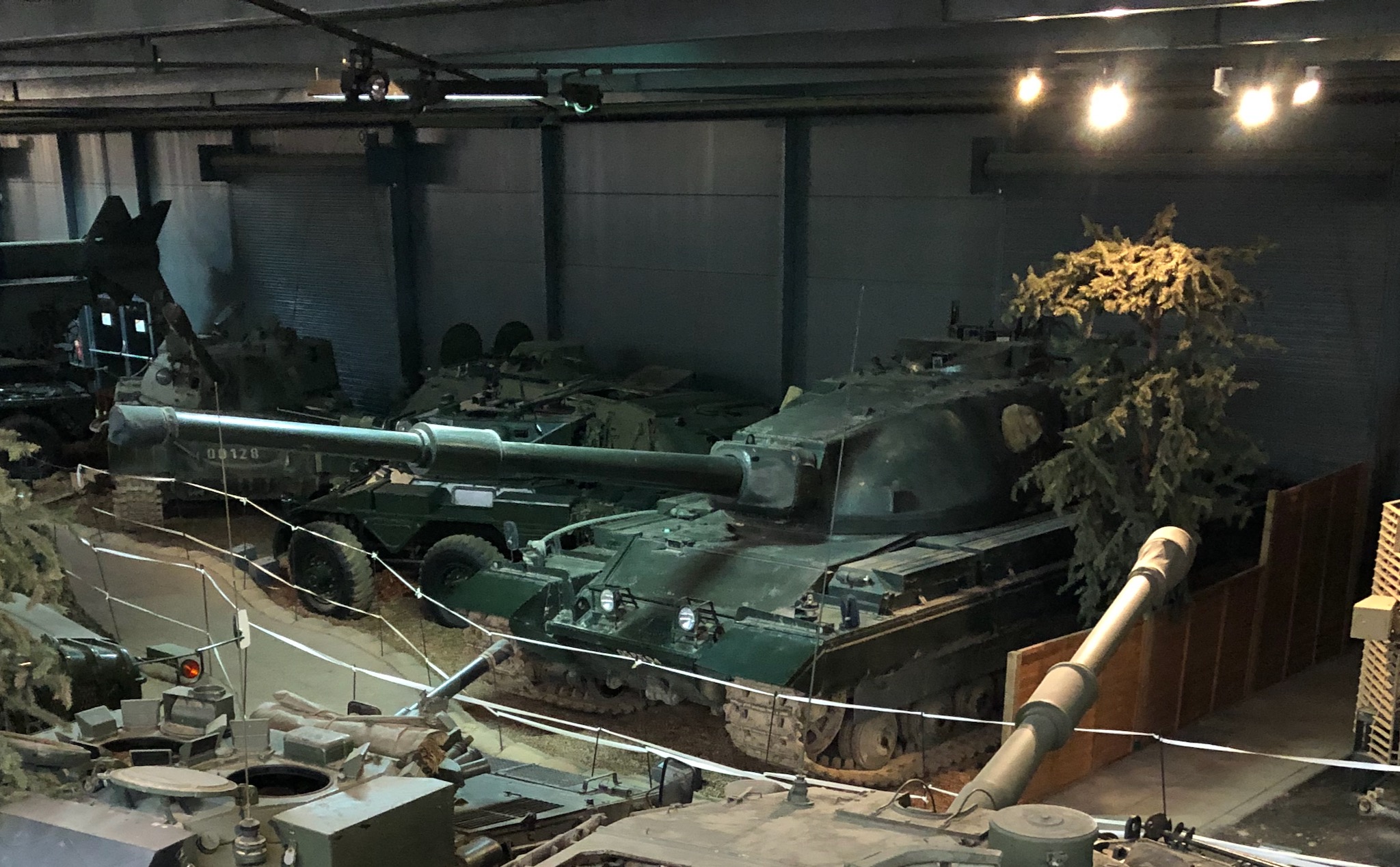
It was in a wider shot of the Land Warfare Exhibit that included an FV433 Abbot SPG, which I have cropped for this post.
This Sons of Horus Arquitor Bombard with Graviton-Charge Cannon was on display at Warhammer World.
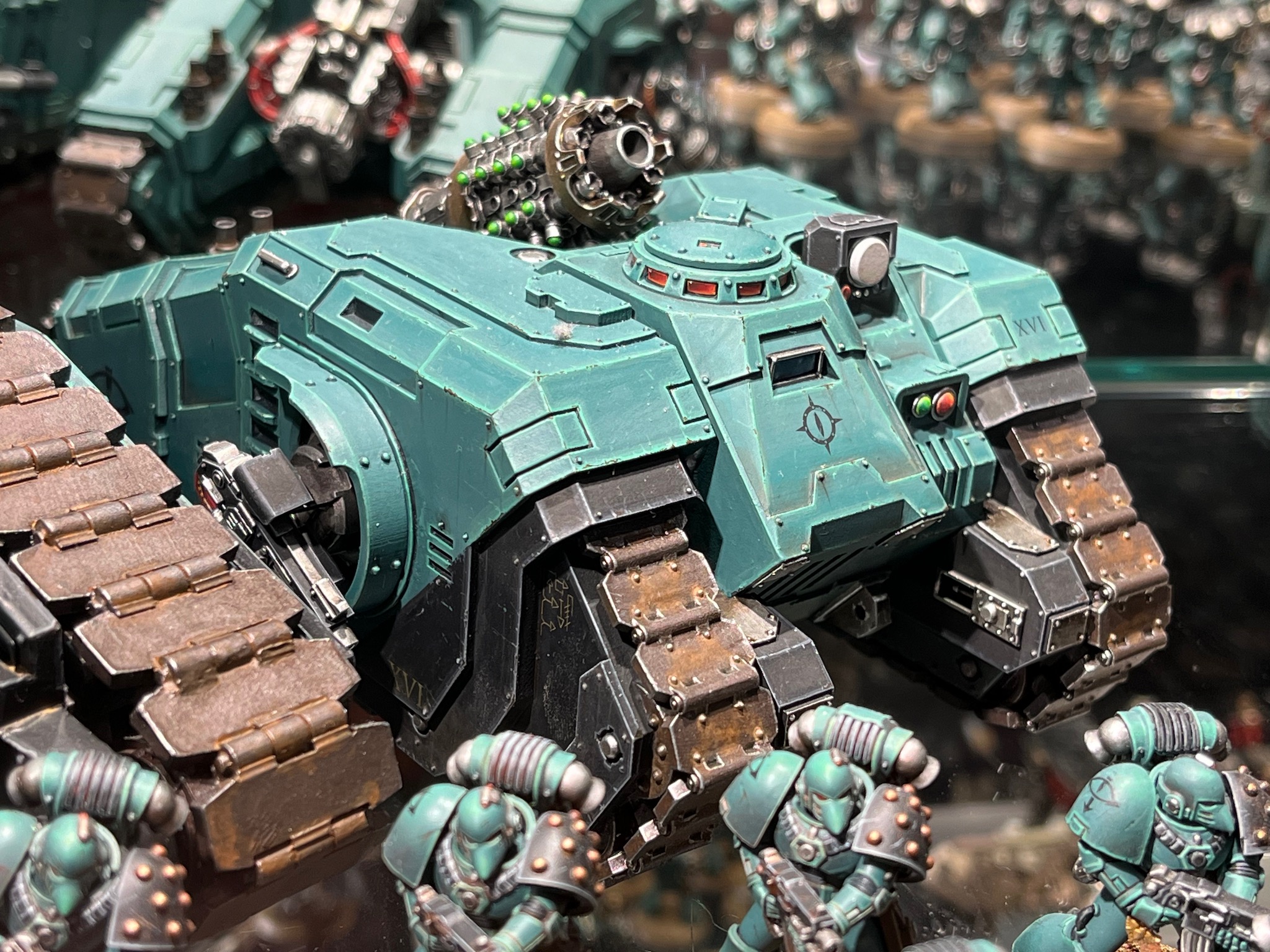
The Legion Arquitor is a heavy artillery platform designed to operate at the forefront of a Legiones Astartes advance. Equipped with a reinforced chassis and brutal short range firepower, it is called upon to break the most stubborn of fortifications or to annihilate massed enemy infantry and armour. The graviton-charge cannon fires energised canisters that impact among the enemy ranks, emitting a graviton field that crushes delicate circuitry and electronics, disrupting the advance of anything that survives the barrage.
This Imperial Fists Kratos Heavy Assault Tank was on display at Warhammer World.
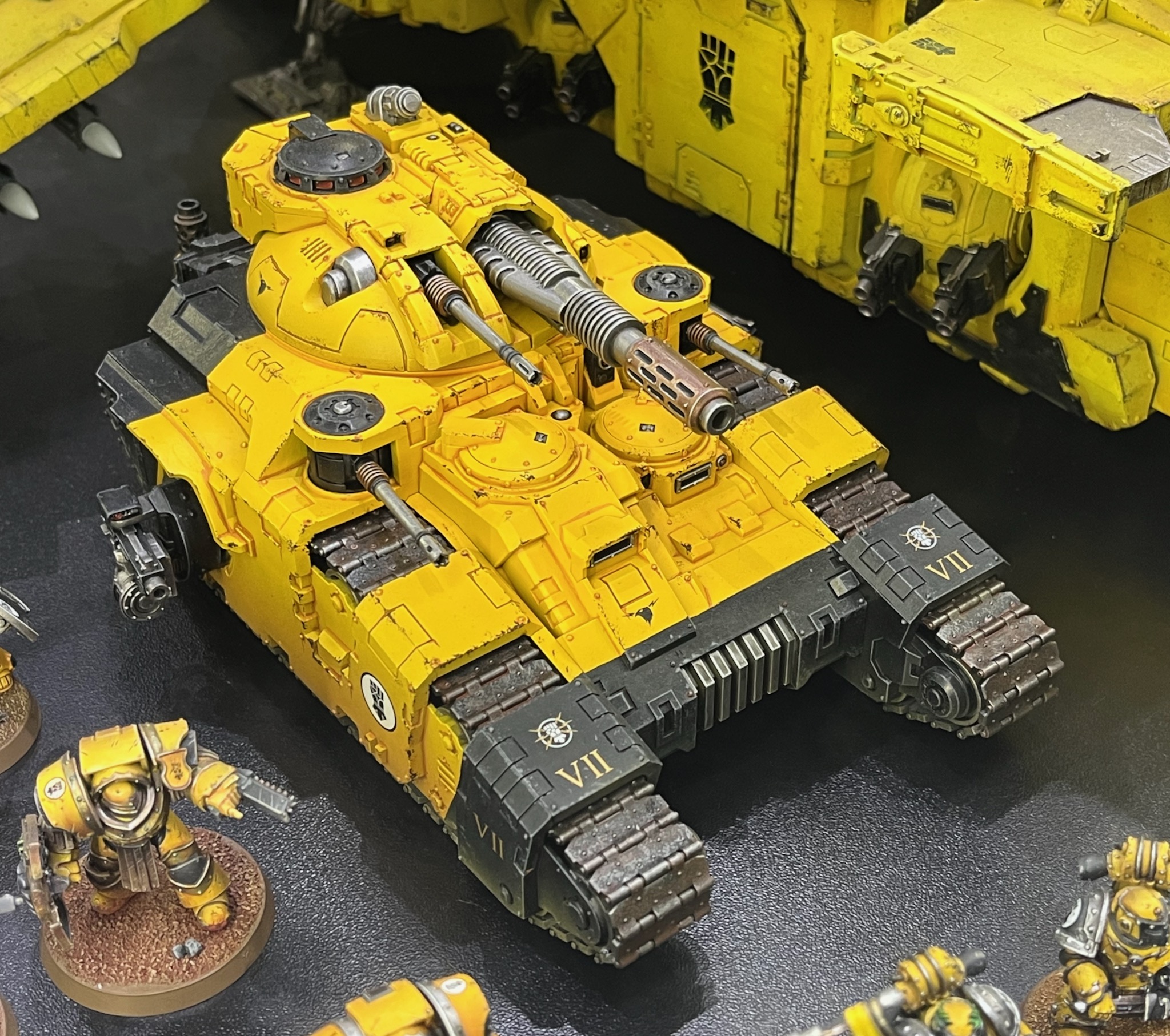
The Kratos Heavy Assault Tank is based on an Ancient Terran pattern fielded during the Unification of Old Earth, redesigned after the Emperor’s treaty with the Lords of Mars to serve as the spearhead of the Great Crusade, a line-breaker and foe hammer. This grinding battle tank is all but impervious to enemy fire, and its steady, inexorable advance provides an indomitable core to any assault by the Legiones Astartes, enforced by a barrage of overwhelming firepower.
Weighing 80 tons the TOG II* is the heaviest tank at the Tank Museum. It was designed on the premise that World War II would evolve in the same way as the First World War.
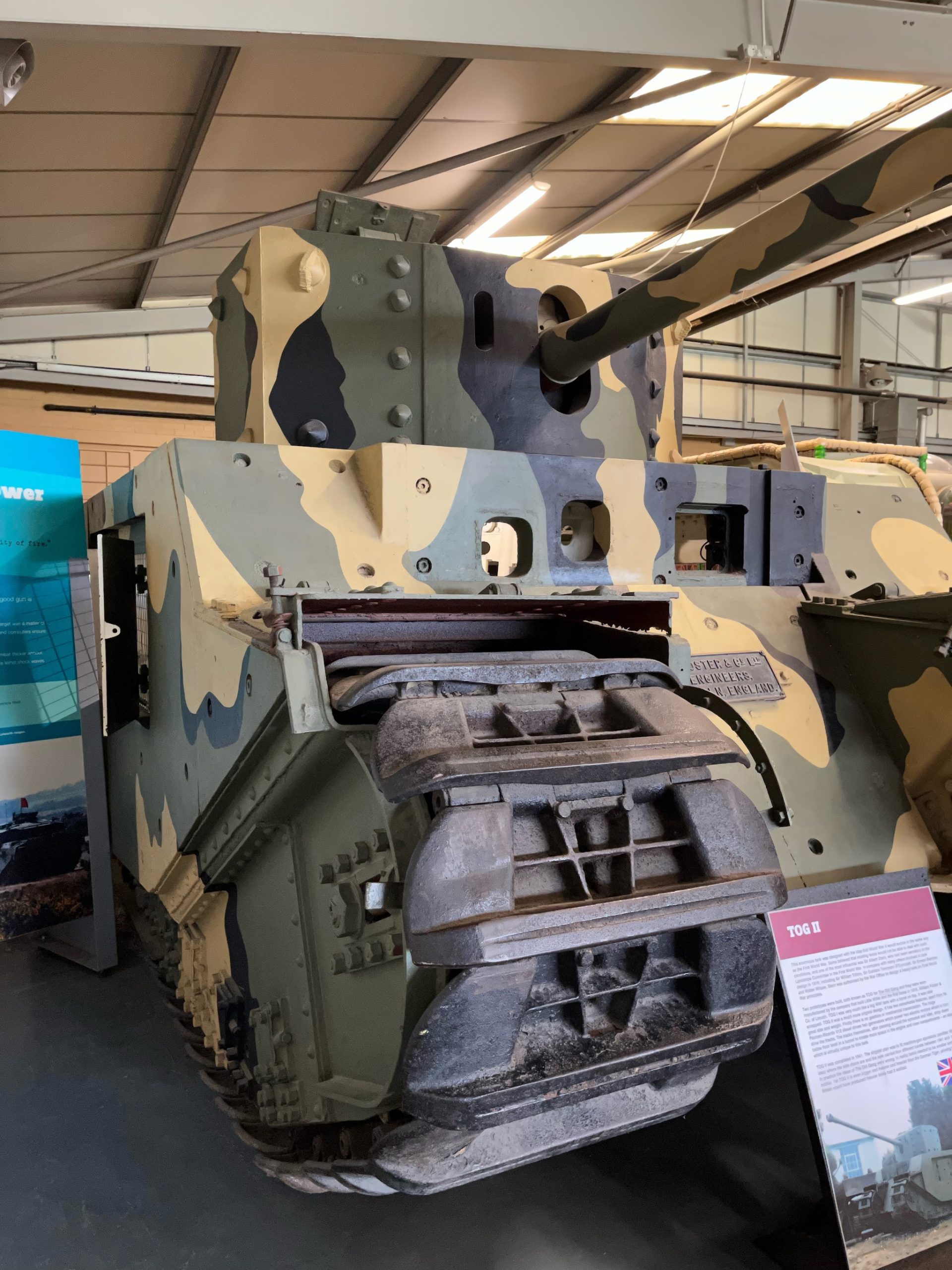
The Heavy Tank, TOG II, was a prototype British super-heavy tank design produced in the early part of the Second World War in case the battlefields of northern France turned into a morass of mud, trenches and craters as had happened during the First World War.
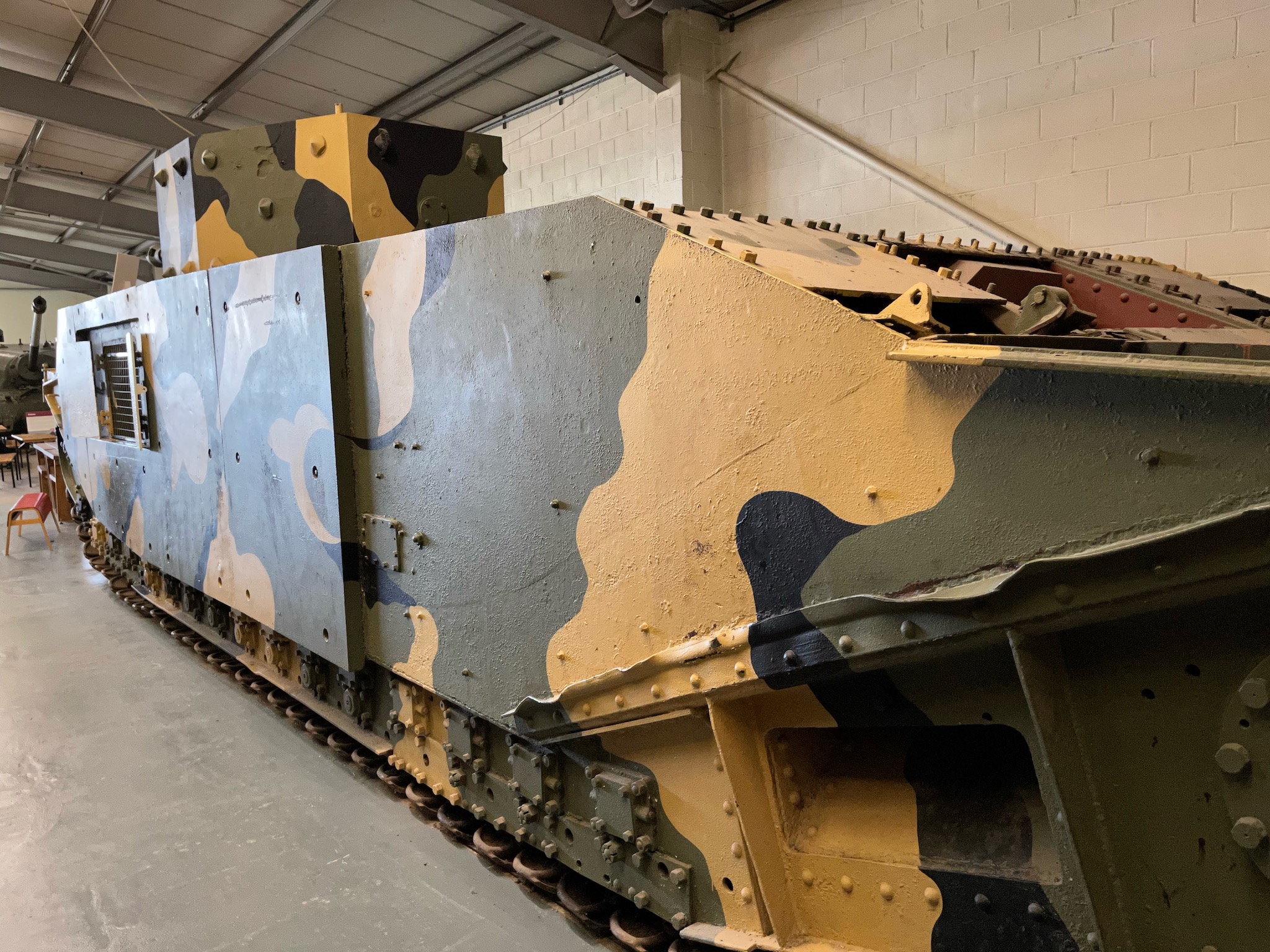
The tank was fitted with four different gun turrets between 1941 and 1944, ending up with the type of turret designed by Stoddart and Pitt for the A30 Challenger Heavy Cruiser Tank. This mounted a 17pdr gun, making the tank a TOG II*.
In the end it never went into production, but as part of the Flames of War Mid-War Monsters range you could buy it and use it in alternate history games. I bought a boxed set of three.

See the workbench feature on these huge tanks.
This White Scars Primaris Repulsor was in the displays at Warhammer World.
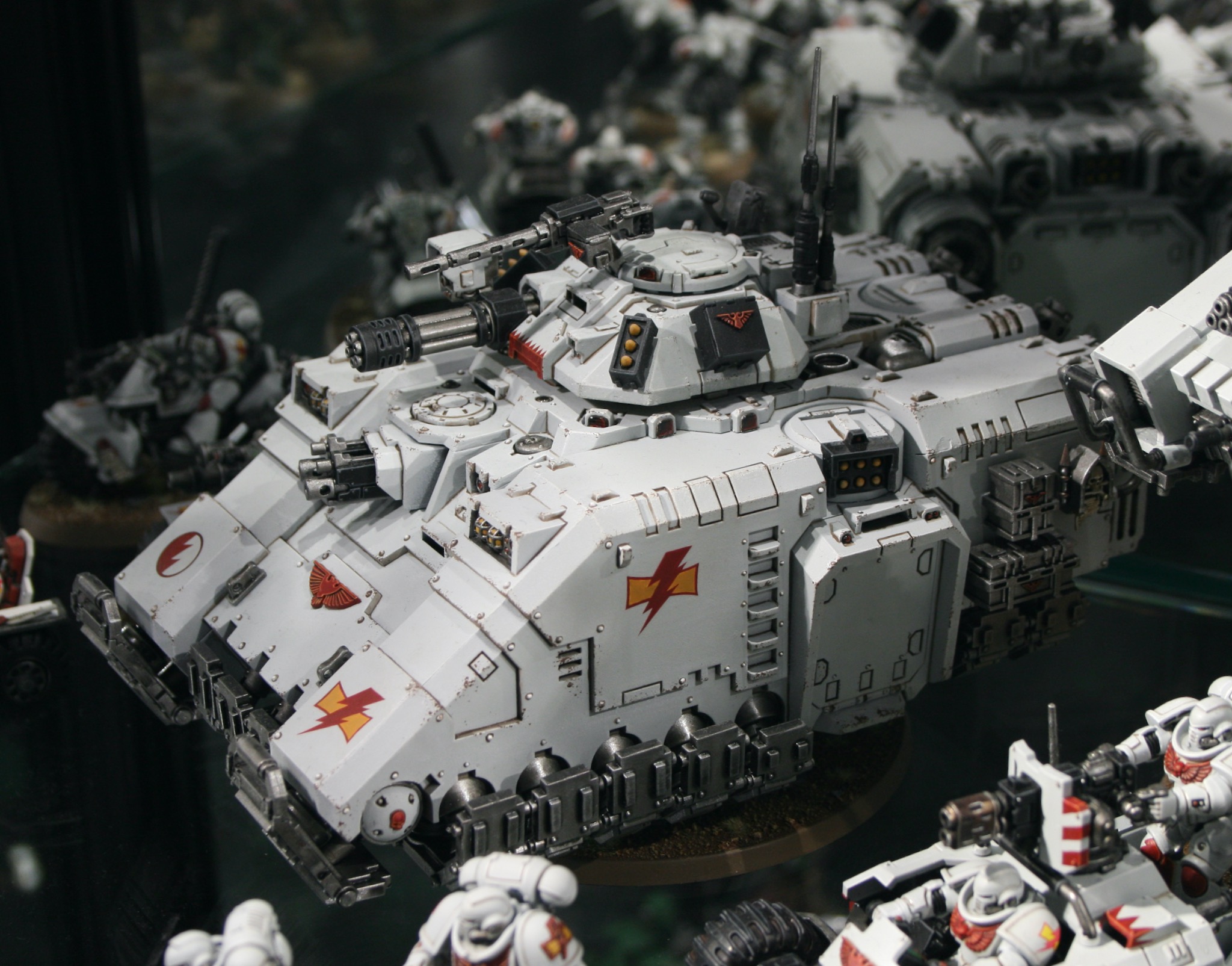
The Repulsor armoured transport is a deadly combination of manoeuvrability and raw brute force. Due to the turbine array at its rear, it has tremendous motive power, held aloft by powerful anti-gravitic generators. The Repulsor is so heavily armed and armoured that is doesn’t skim over the landscape but instead crushes the ground below it. The tank grinds forward with a deep bass thrum, reducing rock to gravel and fallen bodies to smears of gore and powdered bone
This Imperial Fists Deimos Pattern Vindicator was on display at Warhammer World.
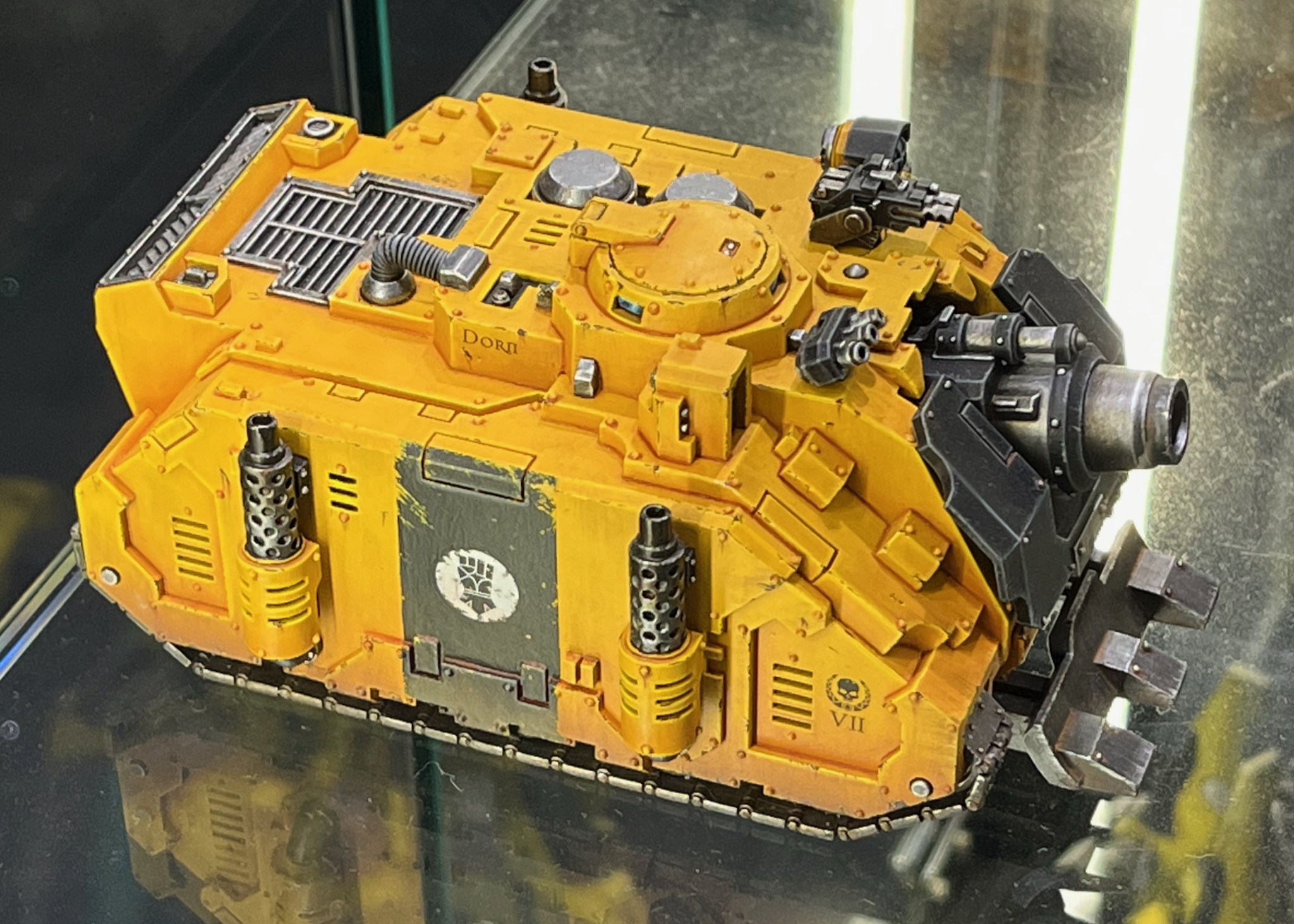
The Vindicator is a dedicated siege tank, deployed by the Legiones Astartes to breach enemy fortifications and destroy the heaviest enemy vehicles. Slow, ponderous, but heavily armoured, these tanks rumble into range before unleashing a devastating salvo of demolisher shells or piercing bursts of energy from a magna laser destroyer. Vindicators are especially useful in the confined terrain of cities or other enclosed battlefields, where they can smash buildings to broken ruins and forge a path through otherwise impassable obstacles.
I have a Typhon Siege Tank for my Imperial Fists army, so not sure if I need another siege tank. Having said that I do like the Deimos Pattern Vindicator model, so you never know.
The FV4201 Chieftain was the main battle tank of the United Kingdom during the 1960s, 1970s and 1980s.
This Chieftain was on display at Bovington.

A development of the Centurion, the Chieftain introduced the supine (reclining) driver position to British design allowing a heavily sloped hull with reduced height. A new powerpack and improved transmission gave it higher speed than the Centurion despite being heavier due to major upgrades to armour protection and the armament.
This Jordanian Khalid Chieftain was at Bovington.

The FV4201 Chieftain was the main battle tank of the United Kingdom during the 1960s, 1970s and 1980s.
A development of the Centurion, the Chieftain introduced the supine (reclining) driver position to British design allowing a heavily sloped hull with reduced height. A new powerpack and improved transmission gave it higher speed than the Centurion despite being heavier due to major upgrades to armour protection and the armament.
A version was developed in the 1970s for export to Iran, known as the Shir 1.The Shir 1 incorporated the Chieftain hull front and turret casting. The rear of the hull was reconfigured to accept a new power pack. However after the 1979 Iranian Revolution the order was cancelled.
The Khalid Chieftain is based on the Shir 1 design with the addition of the Integrated Fire Control System (IFCS).

These were sold to Jordan.
This Imperial Fists Fellblade Super-Heavy Battle Tank was on display at Warhammer World.

The Fellblade is based on the same Standard Template Construct pattern as Baneblade super-heavy tanks, equipped with advanced weapon and armour systems befitting the Legiones Astartes. This formidable mainline tank employs many technologies restored to humanity by the Great Crusade – from its reinforced metaplas alloy chassis and atomantic arc-reactor to its powerful accelerator cannon and battery of explosive shells.