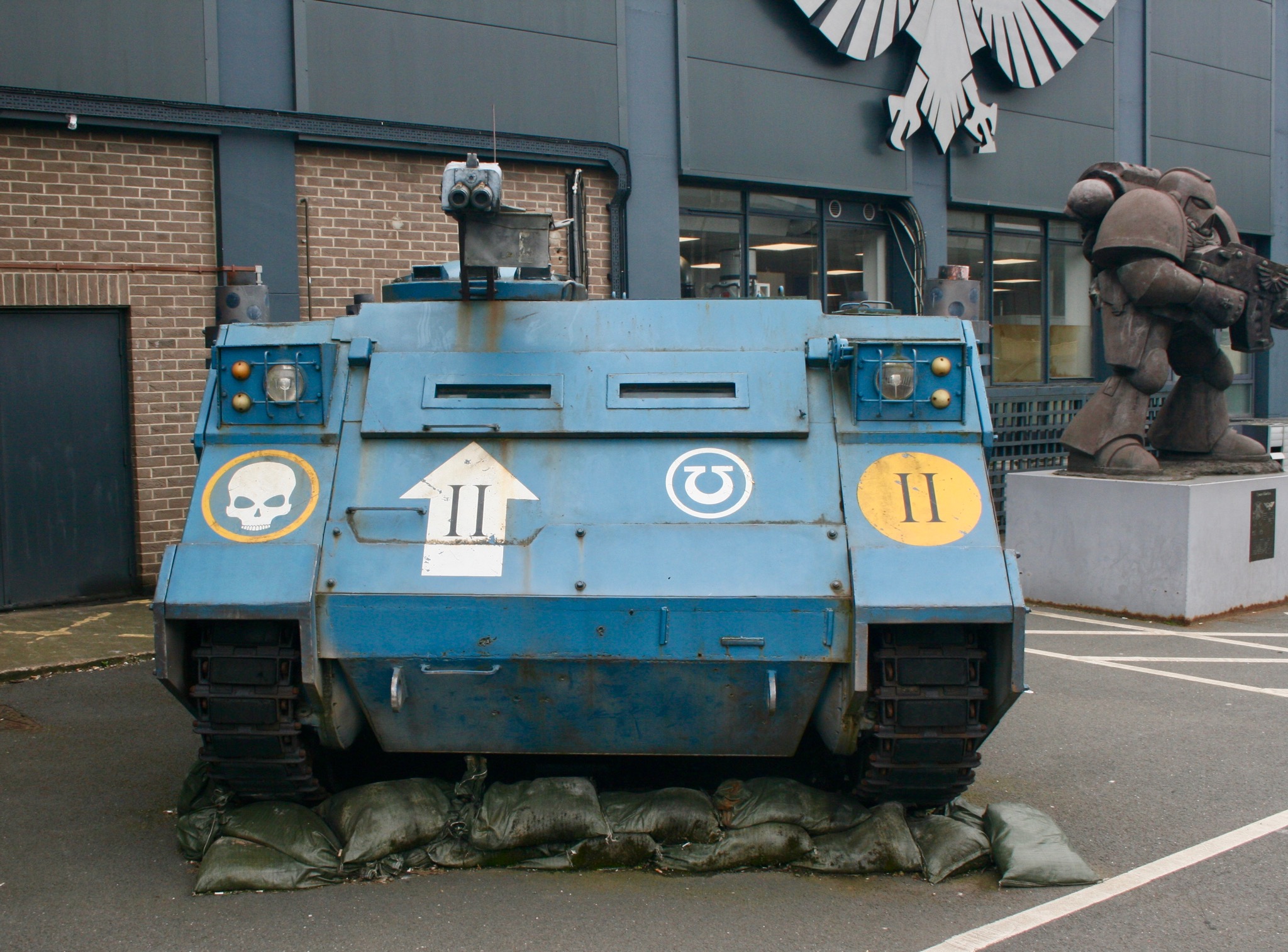
The Immolator-pattern armoured assault transport is a heavily armoured vehicle used by the Adeptus Ministorum, the Ecclesiarchy of the Imperium of Man. It is a variant on the Rhino chassis, and is used to transport troops into battle.
The Immolator is armed with a twinned pair of heavy weapons, which can be either a pair of heavy bolters, a pair of flamers, or a pair of meltaguns. It also has a stained-armaglass ballistic shield, which protects the vehicle from incoming fire.
The Immolator is a valuable asset to any Adeptus Ministorum force. It is able to transport troops quickly and safely into battle, and its heavy weapons can provide devastating firepower.
The Immolator is also a symbol of the Adeptus Ministorum’s power and authority, and its presence on the battlefield is often enough to demoralise the enemy.
The Immolator is a versatile and powerful vehicle that is used by the Adeptus Ministorum in a variety of roles. It is a valuable asset to any Adeptus Ministorum force, and its presence on the battlefield is often enough to demoralise the enemy.
The Vickers A1E1 Independent was a British multi-turreted tank prototype built between the First and Second World Wars. This is the Vickers A1E1 Independent at the Tank Museum.
The A1E1 was armed with a 47mm gun in a central turret and four machine guns in four smaller turrets.
It was heavily armored, weighing 33 tons. The tank was designed to be a breakthrough tank, capable of breaking through enemy lines and supporting infantry.
However, the A1E1 was also very slow and difficult to maneuver. It was also expensive to produce.
As a result, it was never mass-produced. However, it did influence the design of many other tanks, including the Soviet T-35 and the German Neubaufahrzeug.
Here are some of the key features of the Vickers A1E1 Independent:
Multi-turreted design
Heavy armor
Large size
Slow speed
Difficult to maneuver
Expensive to produce
Despite its limitations, the Vickers A1E1 Independent was an important tank in the development of tank design. It influenced the design of many other tanks, and it helped to pave the way for the development of more powerful and maneuverable tanks in the Second World War.
The positioning and lighting of the Vickers A1E1 Independent in the tank museum made it difficult to photograph easily, so here is an official photograph of the Vickers A1E1 Independent outdoors.
Photograph KID 109 from the collections of the Imperial War Museums (collection no. 6000-02)
The A1E1 was also the subject of industrial and political espionage. The plans for the tank were stolen by Soviet agents, who may have used them to design their own multi-turreted tanks. This event could inspire a number of skirmish games or role playing scenarios, such as:
A group of Soviet agents, aided by communist sympathizers, attempt to break into the Vickers factory to steal the plans for the A1E1. British police, the Security Services, and even troops attempt to stop them.
A group of British soldiers are tasked with defending the Vickers factory from a Soviet attack. They must use the A1E1 to fight off the Soviets and protect the plans.
A group of players take on the roles of the different factions involved in the theft of the A1E1 plans. They must use their skills and resources to achieve their goals.
These are just a few ideas for how the Vickers A1E1 Independent could be used in a skirmish game or role playing scenario. With its unique design and history, the A1E1 is a tank that is sure to inspire many different stories.
Though never developed beyond the prototype stage, you can imagine that it might have entered production if the Second World War had started earlier, or we had the potential scenario of A Very British Civil War.
The A1E1 Independent was a unique and innovative tank design. It had the potential to be a very effective tank in the right circumstances. If the Second World War had started earlier, or if there had been a British Civil War, the A1E1 might have entered production and played a significant role in the conflict.
Classic tanks from the Forge World range return to the Horus Heresy at the Games Workshop webstore, upgraded with new plastic sponson sprues that make it easier than ever to add weapon variety to your armoured companies.
The various resin models, such as the Mastodon Heavy Assault Transport, will now come with the sponsons sprue that is available now with the plastic releases that we have seen.
There is an implication here that future Horus Heresy releases may now be resin models. Especially as the only preview we have seen over recent months has been the Vindicator.
Though that may also mean that the Legion models we have seen, will now be supplemented with plastic releases for other Horus Heresy forces, such as the Solar Auxilia.
I had been thinking about getting this kit for a while. So on a shopping trip to my local games shop I decided to make an impulse purchase and buy the box. Well it was nearly 30% cheaper than on the GW site.
Having cleaned the plastic parts I gave them a Corax White undercoat. I then started painting the basecoat across the scrap piles and barricades using a combination of Base and Contrast Citadel paints. I continued to paint the different barricades, using, as before, Base and Contrast paints.
Having finished the base coat on pile of scrap 3, I gave it a wash using Citadel Agrax Earthshade Shade.
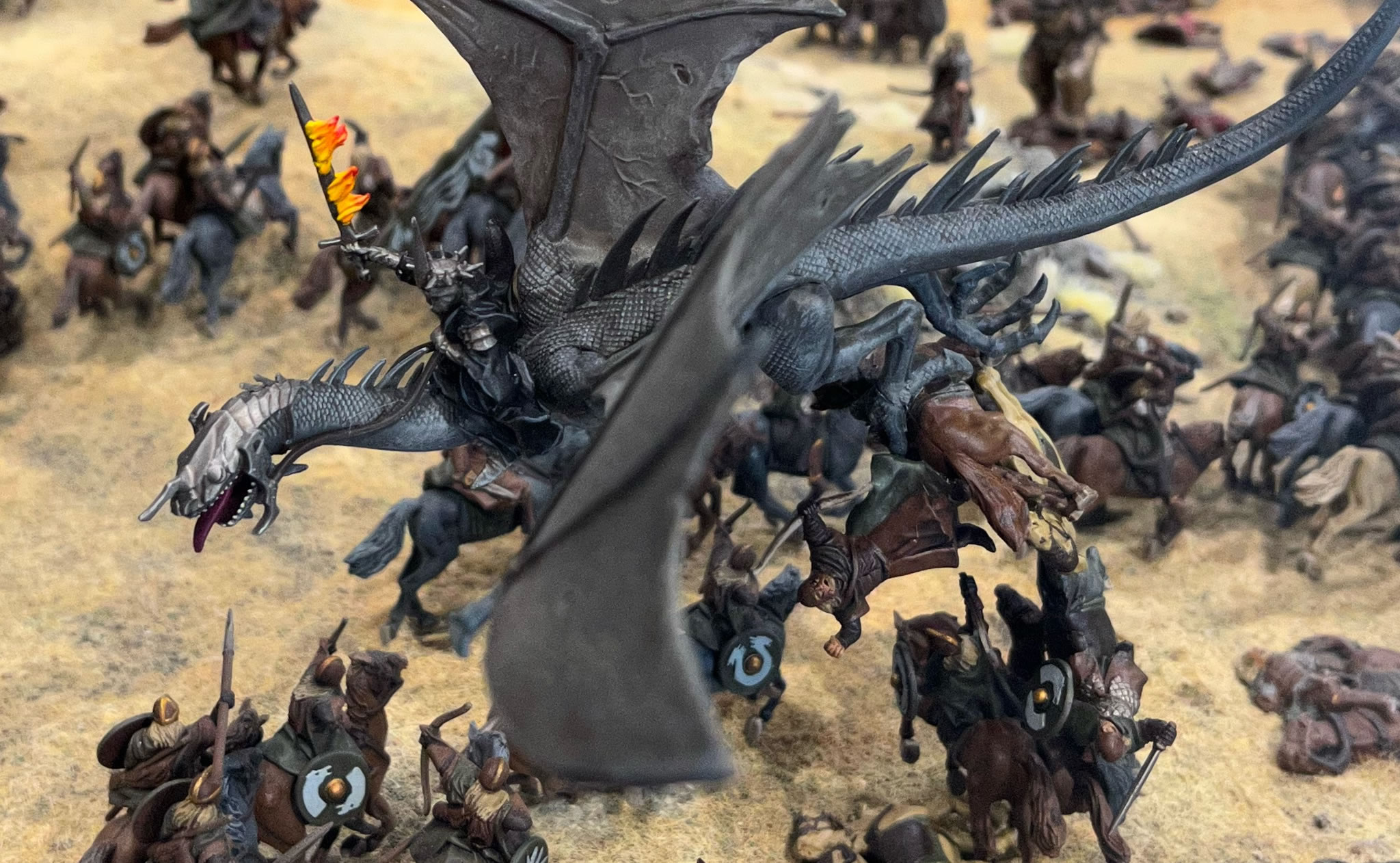
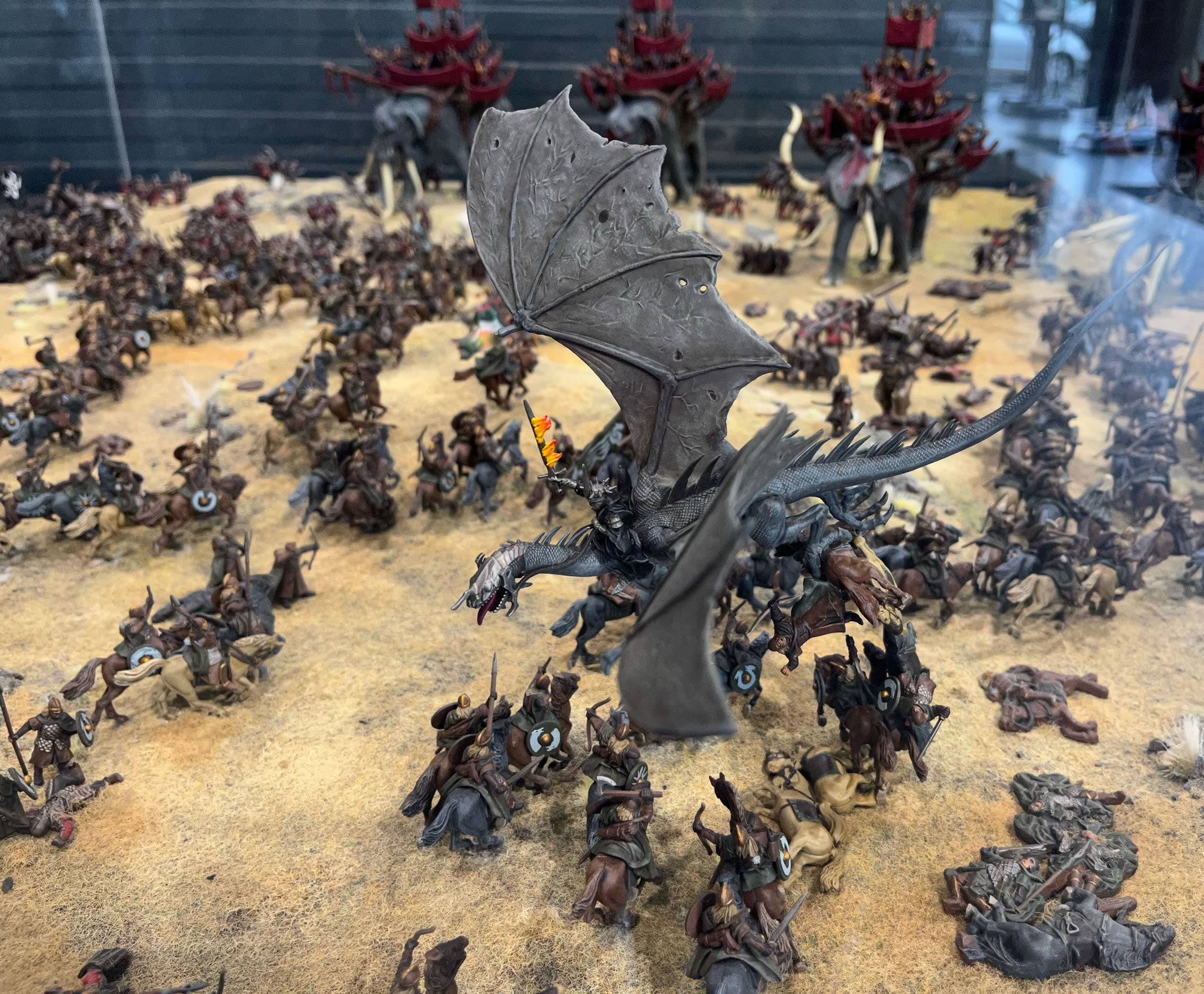
The Battle of the Pelennor Fields was a battle for the city of Minas Tirith, and ultimately for Gondor, immediately following a large-scale siege of Minas Tirith by Sauron’s army. It was the greatest battle of the War of the Ring, and indeed the largest of the entire Third Age. Major casualties resulted from the battle, including the deaths of King Théoden and the Witch-king of Angmar.
This Lord of the Rings Battle Game diorama was on display in the entrance hall at Warhammer World.
The V1 was the first of the so-called “Vengeance weapons” series deployed for the terror bombing of London. It was developed at Peenemünde Army Research Center in 1939 by the Luftwaffe. Because of its limited range, the thousands of V-1 missiles launched into England were fired from launch facilities along the French (Pas-de-Calais) and Dutch coasts. The Wehrmacht first launched the V-1s against London on 13 June 1944, one week after (and prompted by) the successful Allied landings in France.
The V1 flying bomb was powered by an Argus 109-014 pulse-jet engine, carried a warhead of approximately 850kg, and was guided to its target by an autopilot. The maximum range was typically 149 miles, with a maximum speed of 400mph.
I’ve always thought that either a Dutch or French Resistance or UK Commando raid on a V1 base to stop them launching would make for an interesting game. Why send in ground troops when a bombing raid would work just as well? Then I was thinking about adding in the complication of a chemical or biological armed V1 that would need to be taken care of on the ground. There were some real raids on V1 bases as part of Operation Crossbow., which was the code name in World War II for Anglo-American operations against the German long range reprisal weapons (V-weapons) programme. In 1965 a film Operation Crossbow, based on these raids, was released.
My latest model for my Imperial Fists Horus Heresy force is the Typhon Heavy Siege Tank.
The Typhon Heavy Siege Tank was released as a plastic kit for The Horus Heresy. I’ve always liked the Forge World resin model and so was pleased to get one of the new plastic kits for my Imperial Fists force.
This realistic replica was built for the movie ‘War Horse’ and is now maintained in running condition to save wear and tear on the museums original WW1 tanks at events, including Tankfest.
The Tank Museum obtained the tank as it was used in Steven Spielberg’s World War One blockbuster Warhorse.
Though it looks like an authentic Mark IV tank, it was in fact constructed for the film.
Here is a video about the “tank” at the Tank Museum .
My latest model for my Imperial Fists Horus Heresy force is the Typhon Heavy Siege Tank.
The Typhon Heavy Siege Tank was released as a plastic kit for The Horus Heresy. I’ve always liked the Forge World resin model and so was pleased to get one of the new plastic kits for my Imperial Fists force.
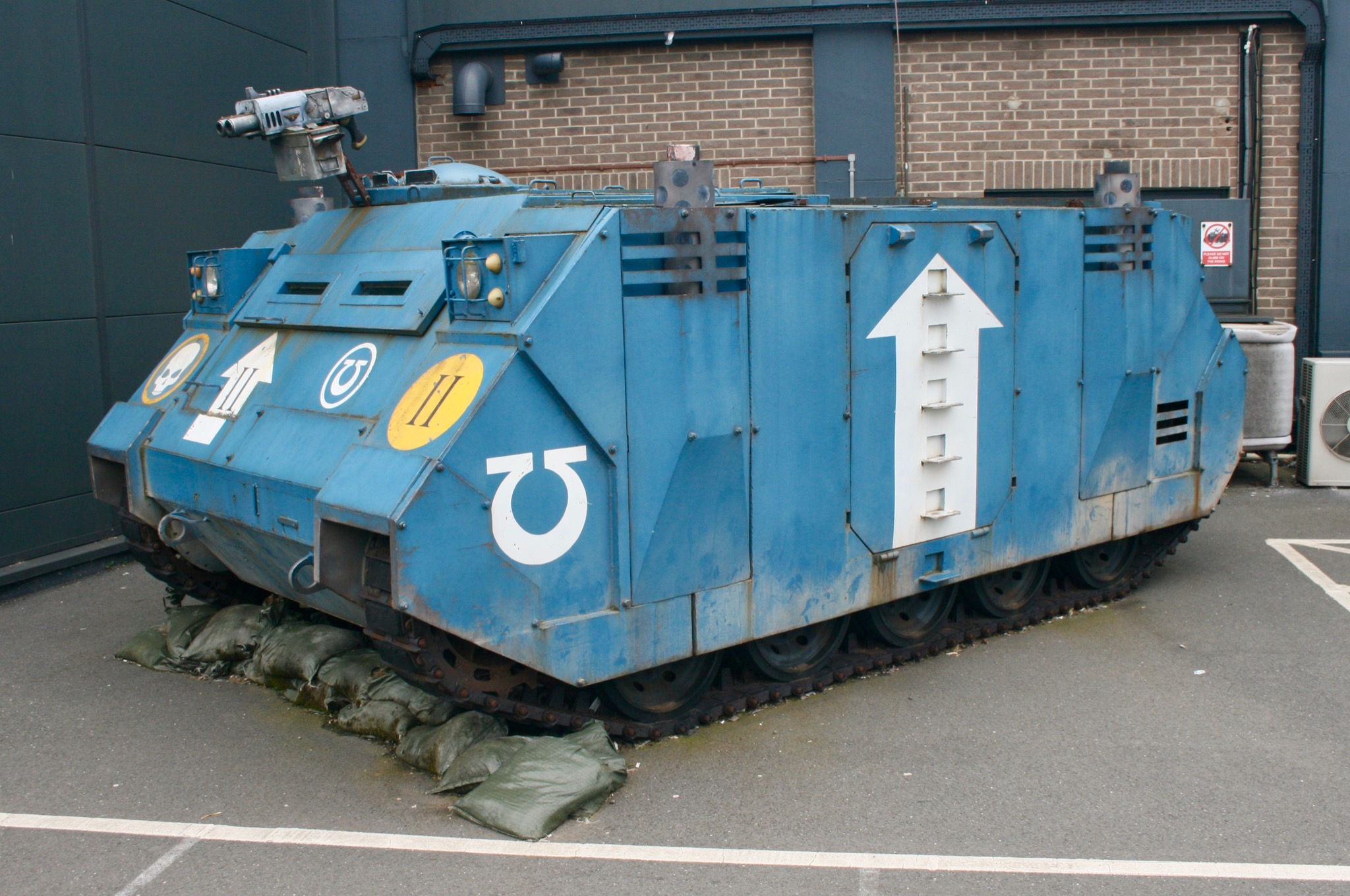
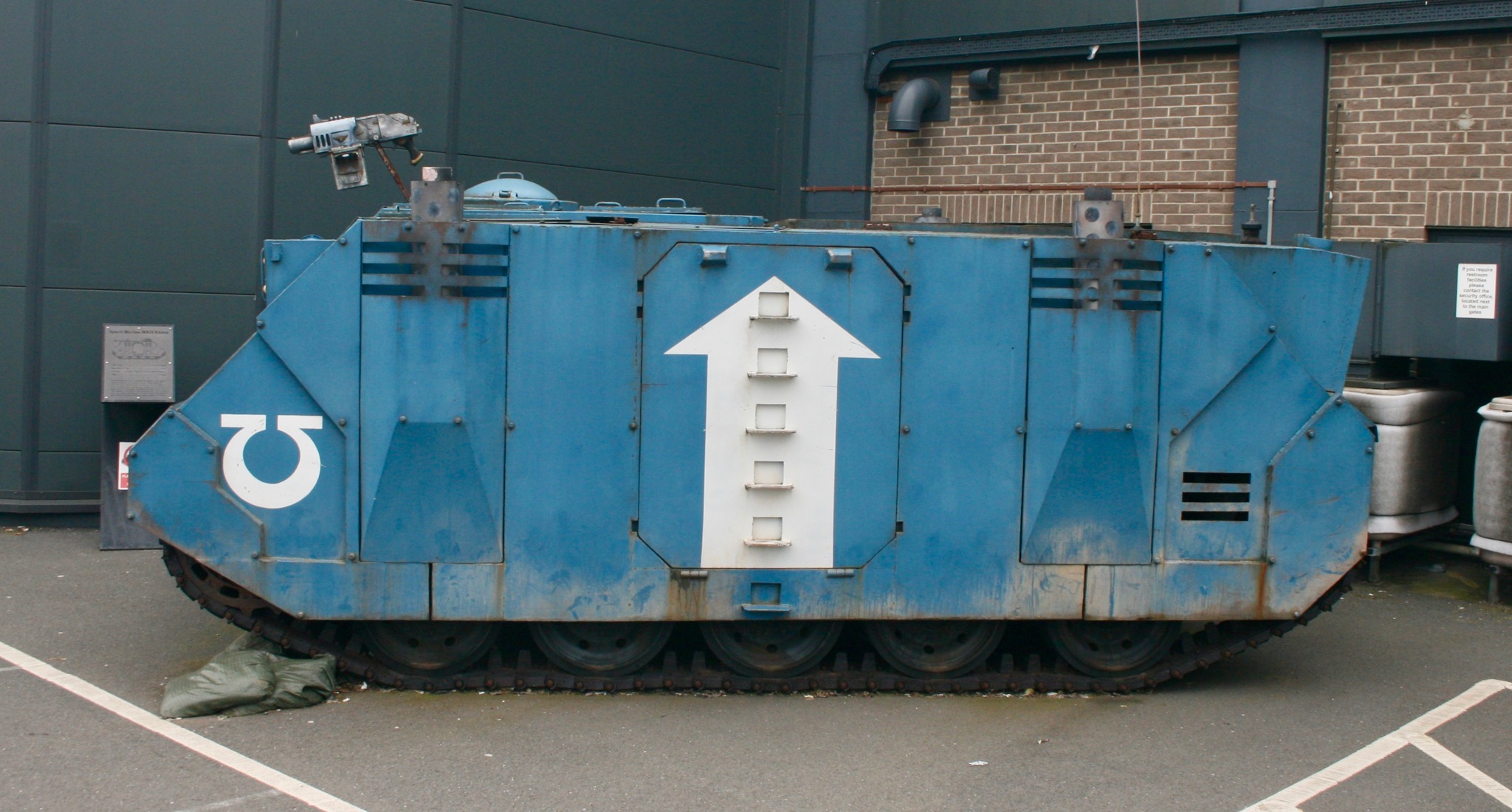
I recently visited Warhammer World, my last visit was in January 2020.
The life sized Rhino was still there guarding the entrance.
THQ, who had commissioned the Rhino for their Dawn of War video game “gave” the Rhino to Games Workshop who then gave it a repaint in Ultramarines colours.