Sepecat Jaguar GR.1

This Sepecat Jaguar GR.1 was on display at RAF London.

The SEPECAT Jaguar is an Anglo-French jet attack aircraft originally used by the British Royal Air Force and the French Air Force in the close air support and nuclear strike role. It is still in service with the Indian Air Force.

The aircraft served with the French Air Force as the main strike/attack aircraft until 1 July 2005, and with the Royal Air Force until the end of April 2007.

It was replaced by the Panavia Tornado and the Eurofighter Typhoon in the RAF and the Dassault Rafale in the French Air Force.
Undercoating the Haemotrope Reactor

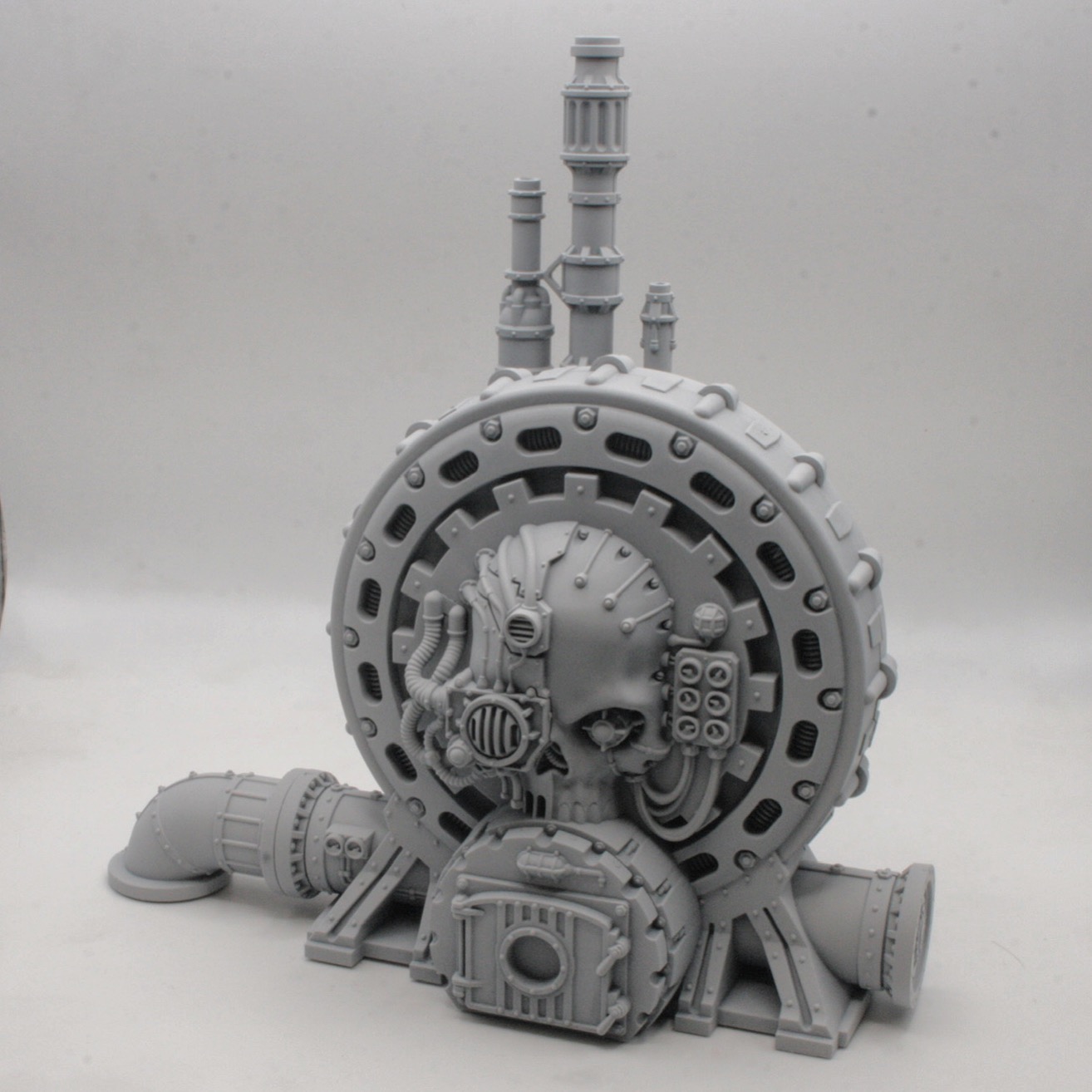
After picking up a copy of Warhammer Imperium with a Ruined Factorum I did start thinking about whether to get some future issues, or picking up some past issues. In the end I bought issue 27 which came with a Haemotrope Reactor.

After constructing the Haemotrope Reactor I gave the model a white undercoat.

Haemotrope Reactor

New boxed set for Warhammer: The Horus Heresy revealed

new boxed set for Warhammer: The Horus Heresy

So we now have details of the new boxed set for Warhammer: The Horus Heresy. You get forty “beaky” Space Marines in Mark VI armour, Terminators, Contemptor Dreadnought and a Spartan Assault Tank.

It was revealed on the Twitter.

I do quite like the idea of this box set, lots of nice retro style beaky marines and a great looking tank as well.

More ruins in the bag

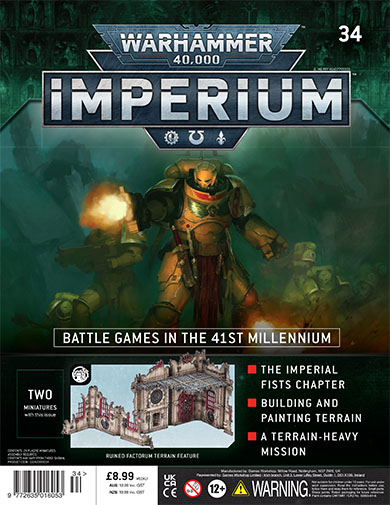
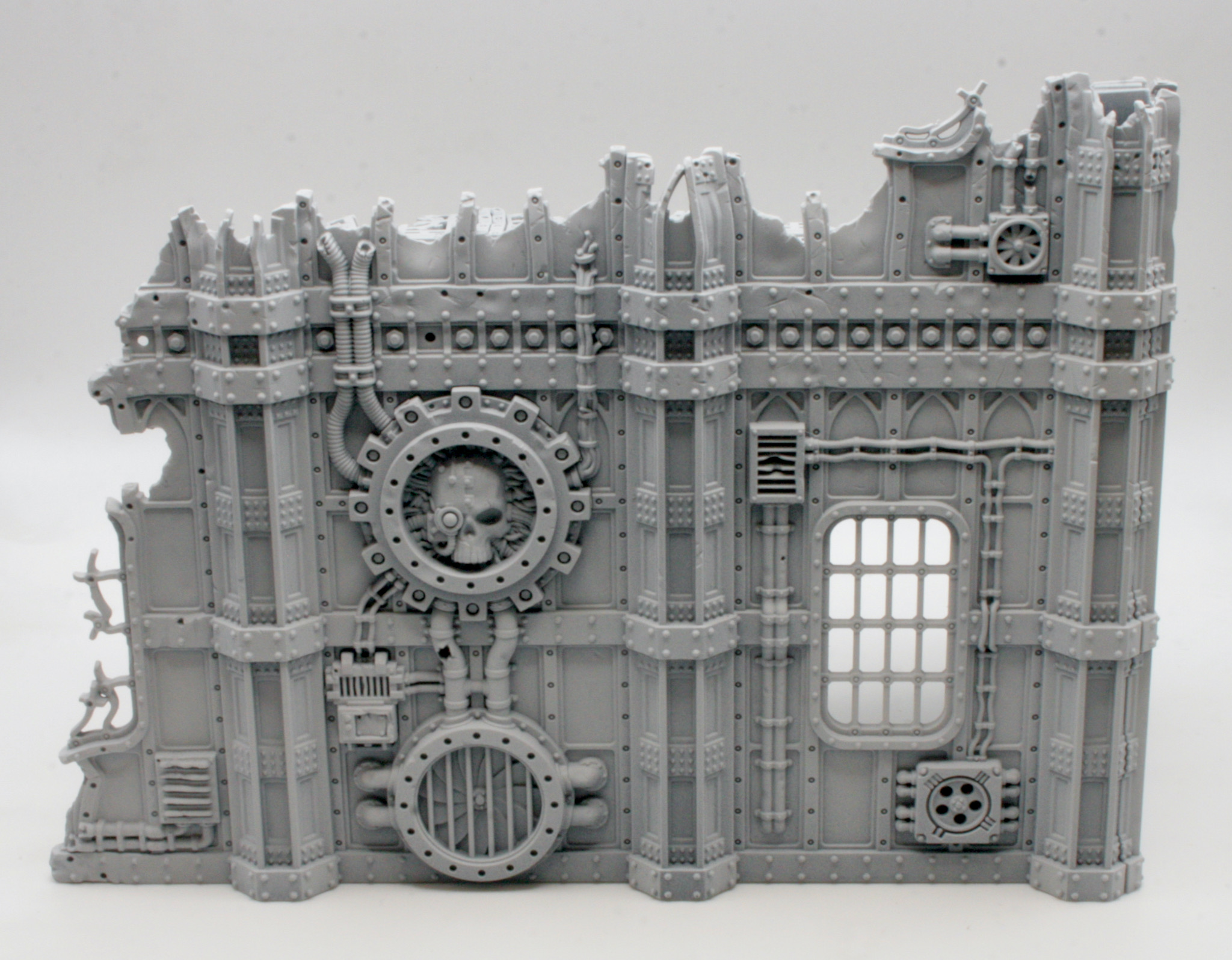
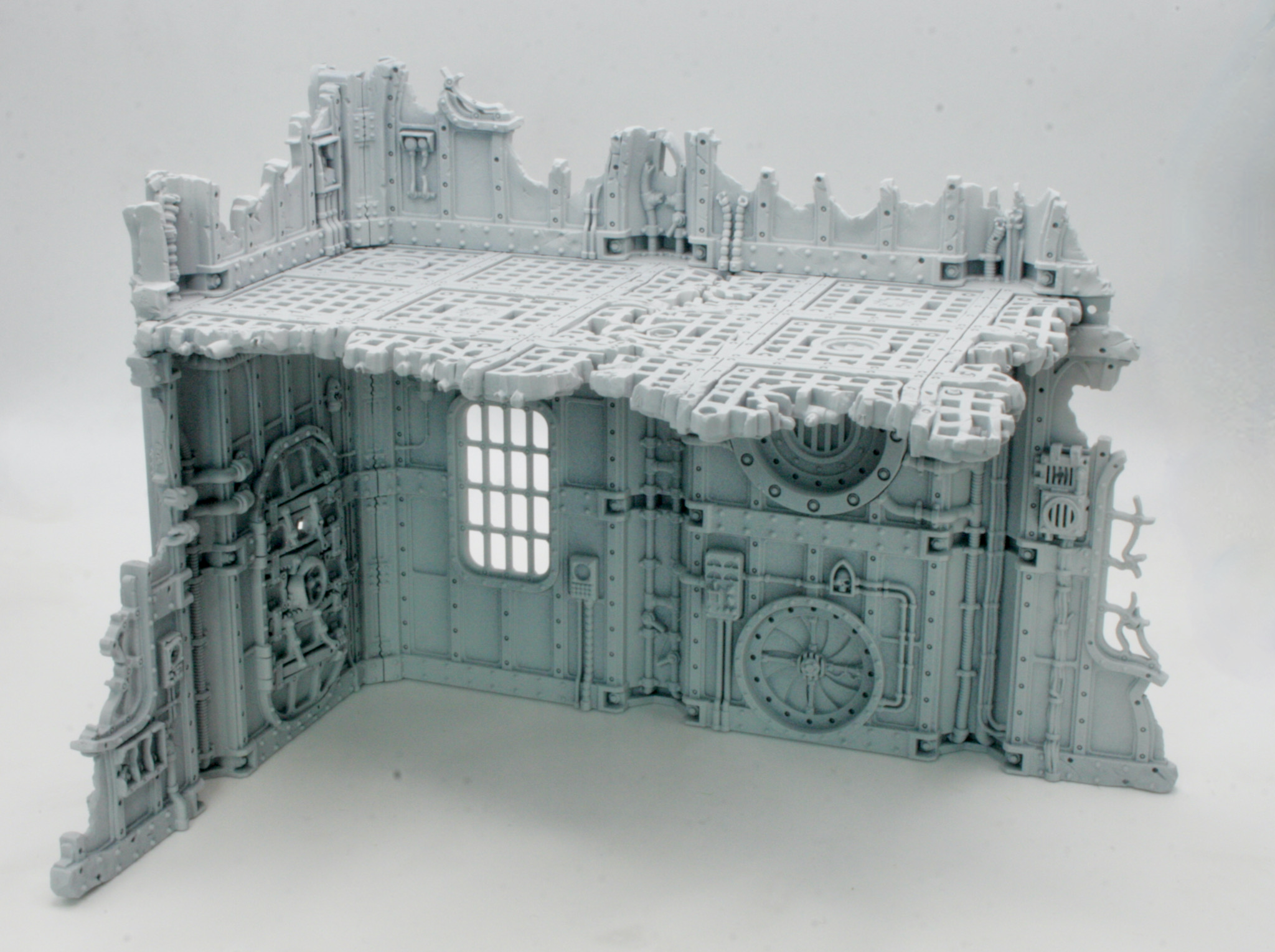
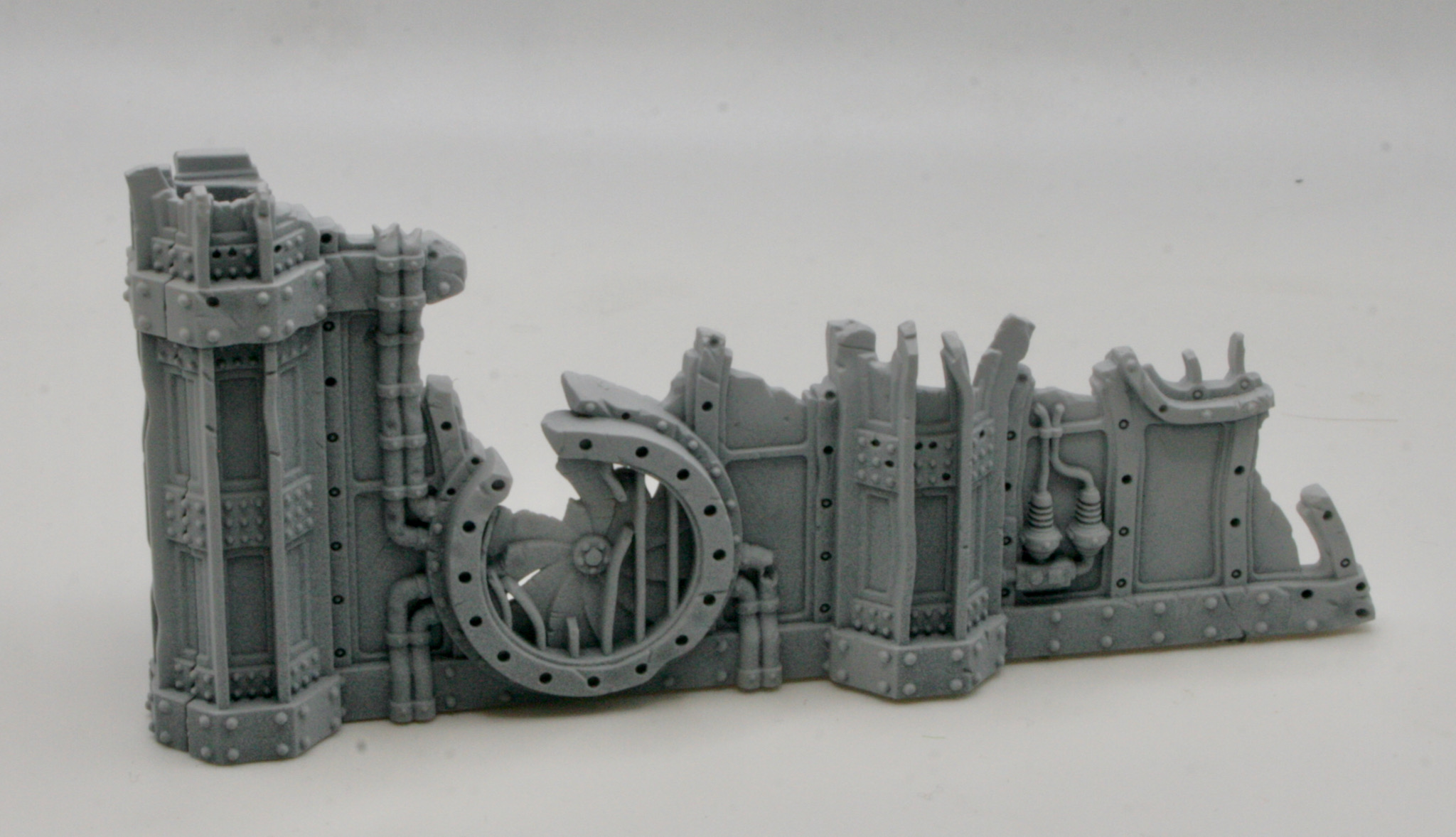
Having picked up the Ruined Factorum sprue that came with Warhammer 40000 Imperium 31 a couple of weeks back, I set myself a reminder for today, to purchase issue 34 for the second sprue .

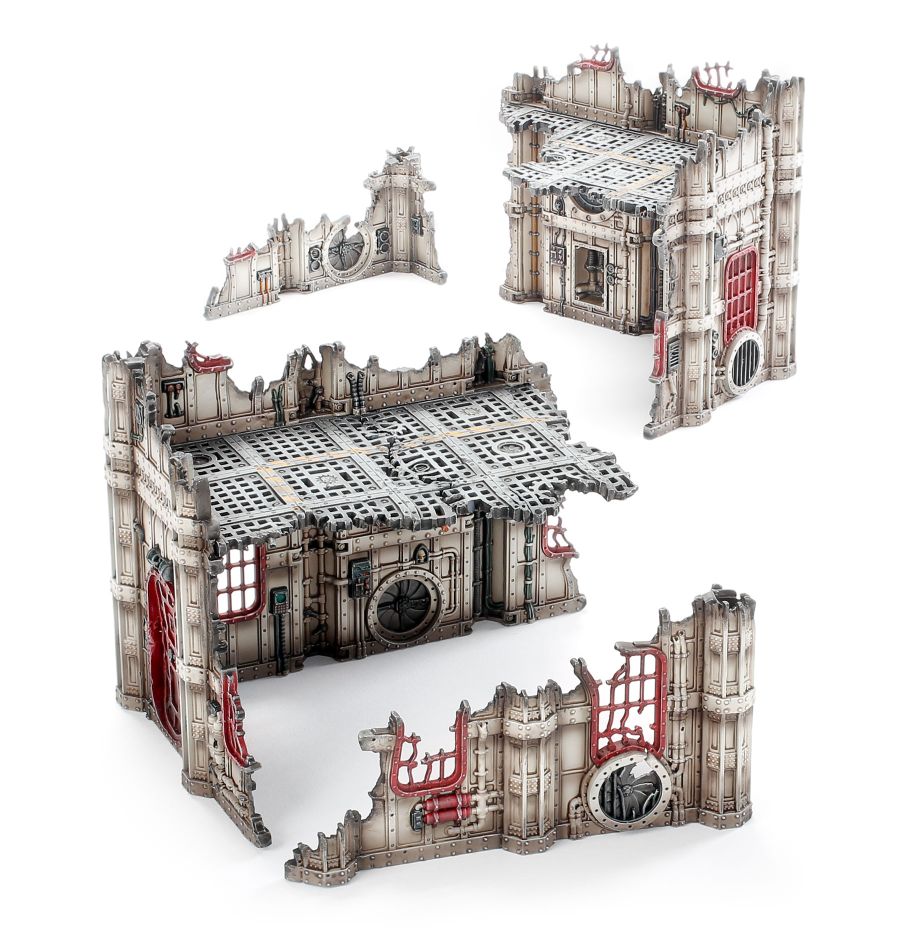
The ruins are from the The Battlezone: Manufactorum – Sub-cloister and Storage Fane kit which did cost £37.50 at Games Workshop and contains two similar sprues. So at £8.99 you would be making a saving of £9.76. However you can’t buy the kit anymore anyhow.

This time, as before, you get two more corner ruins, all coming on a single sprue.

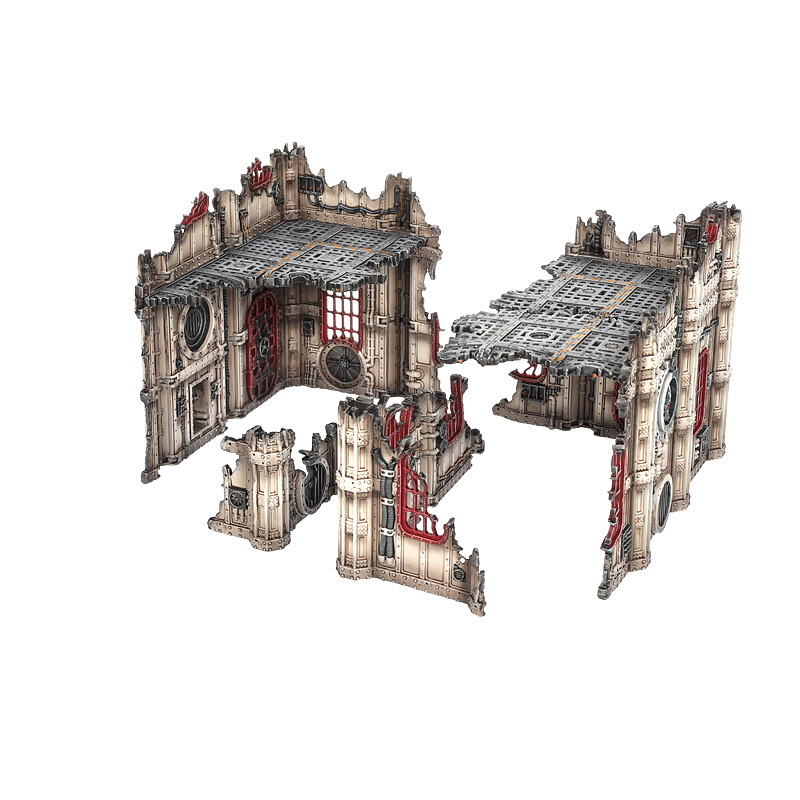
The final models, combining the ruins from issues 31 and 34 (did) look like this on the Games Workshop website.

Another view.

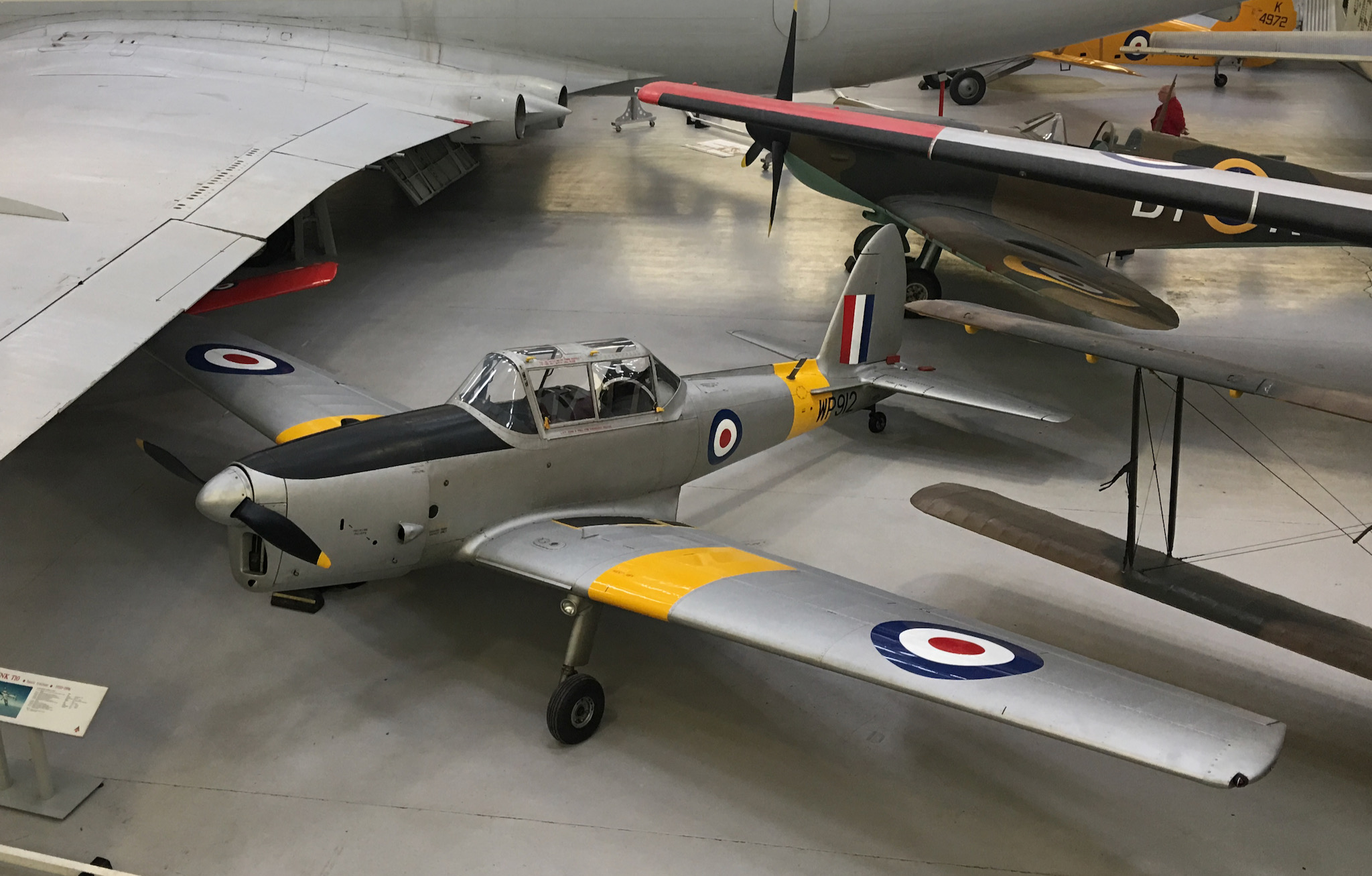
de Havilland Chipmunk

One of the RAF’s longest serving aircraft types, the Canadian designed Chipmunk entered RAF service in 1950. Chipmunks replaced the Tiger Moth as an initial pilot trainer, offering relatively modern features such as flaps, brakes, radio and an enclosed cockpit.

They also equipped the RAF’s University Air Squadrons until 1973. Although the type was retired from flying training in 1993, Chipmunks continued to serve with the RAF’s Air Experience Flights until 1996, with which many thousands of Air Training Corps and Combined Cadet Force cadets have had their first taste of flight. Over seven-hundred Chipmunks were built for the RAF, some of which also served with the Army and the Royal Navy. A substantial number of civilian Chipmunks are still flying in countries around the world.

Painting the Warlord Titan Base

Having landscaped and undercoated my Titan bases, I used Basilicanum Grey contrast paint as a basecoat. I then started drybrushing and detailing the bases. I have already posted the Reaver Titan base.

This is the Warlord base.

Here is the base with the Warlord legs.

Another view of the base.

The base with a taller Warlord Titan.

Panavia Tornado GR1B

The Panavia Tornado is a family of twin-engine, variable-sweep wing multirole combat aircraft, jointly developed and manufactured by Italy, the United Kingdom and West Germany.

The aircraft at RAF London carries the name ‘Bob’ from the popular television comedy series ‘Black Adder’.

The Turbo-Union RB199 is a turbofan jet engine designed and built in the early 1970s by Turbo-Union, a joint venture between Rolls-Royce, MTU and Aeritalia. The only production application was the Panavia Tornado.

Modified to a GR1B in 1994 to carrying the Sea Eagle anti-shipping missile.  The Tornado GR1B was a specialised anti-shipping variant of the GR1, replacing the Blackburn Buccaneer. 26 aircraft were converted and were based at RAF Lossiemouth, Scotland. Each aircraft was equipped to carry up to four Sea Eagle anti-ship missiles.

Last served with No.2 (AC) Squadron. Delivered by road to RAF Museum London in July 2003.

A Panavia Tornado GR1 is on display at the Imperial War Museum Duxford.

Undercoating the Ruined Factorum

A couple of weeks back I bought the  latest issue of the part work series Warhammer 40000 Imperium. I usually see the first few issues of part works in the newsagents or at WHSmith, so was interested to see they had issue #31 in stock. I haven’t really been paying attention to this series, however I thought I would see what was “free” with his issue and I was quite intrigued to see they had a Ruined Factorum sprue. So I bought it. The model has two pieces, a larger ruined building and a smaller ruined corner.

They were quite easy to construct. The next stage was a white undercoat. I used a can of Corax White Spray.

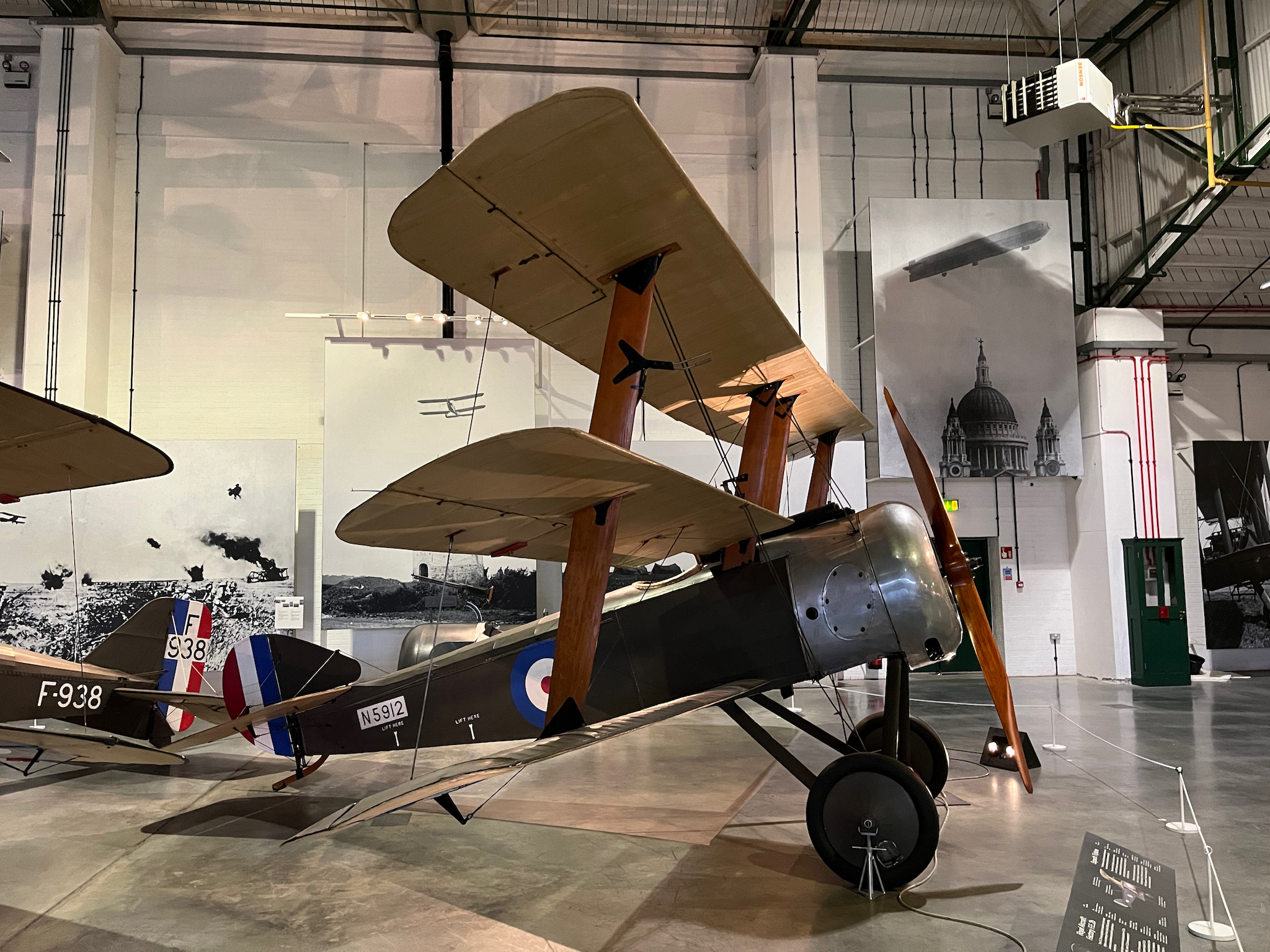
Sopwith Triplane

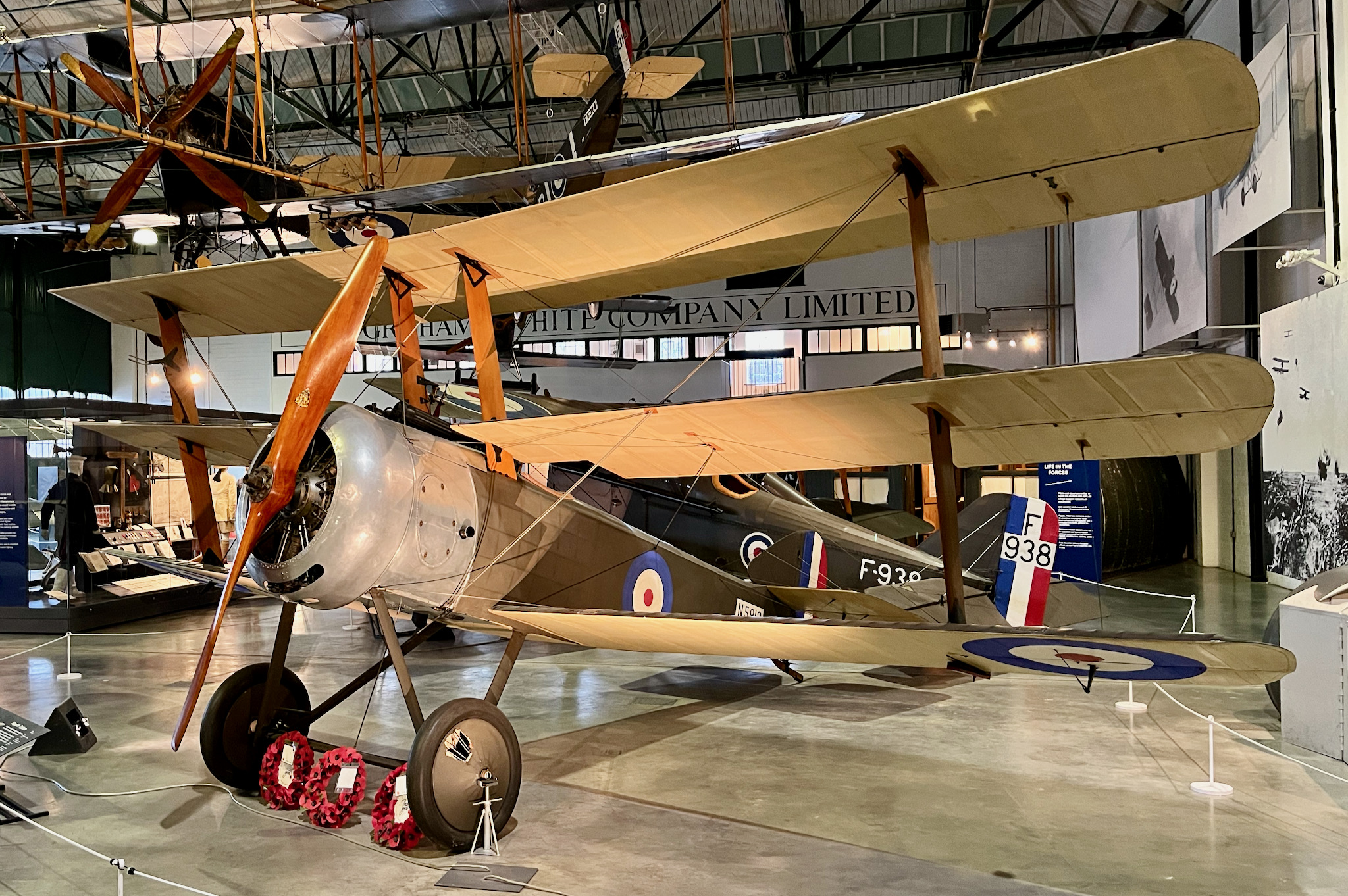
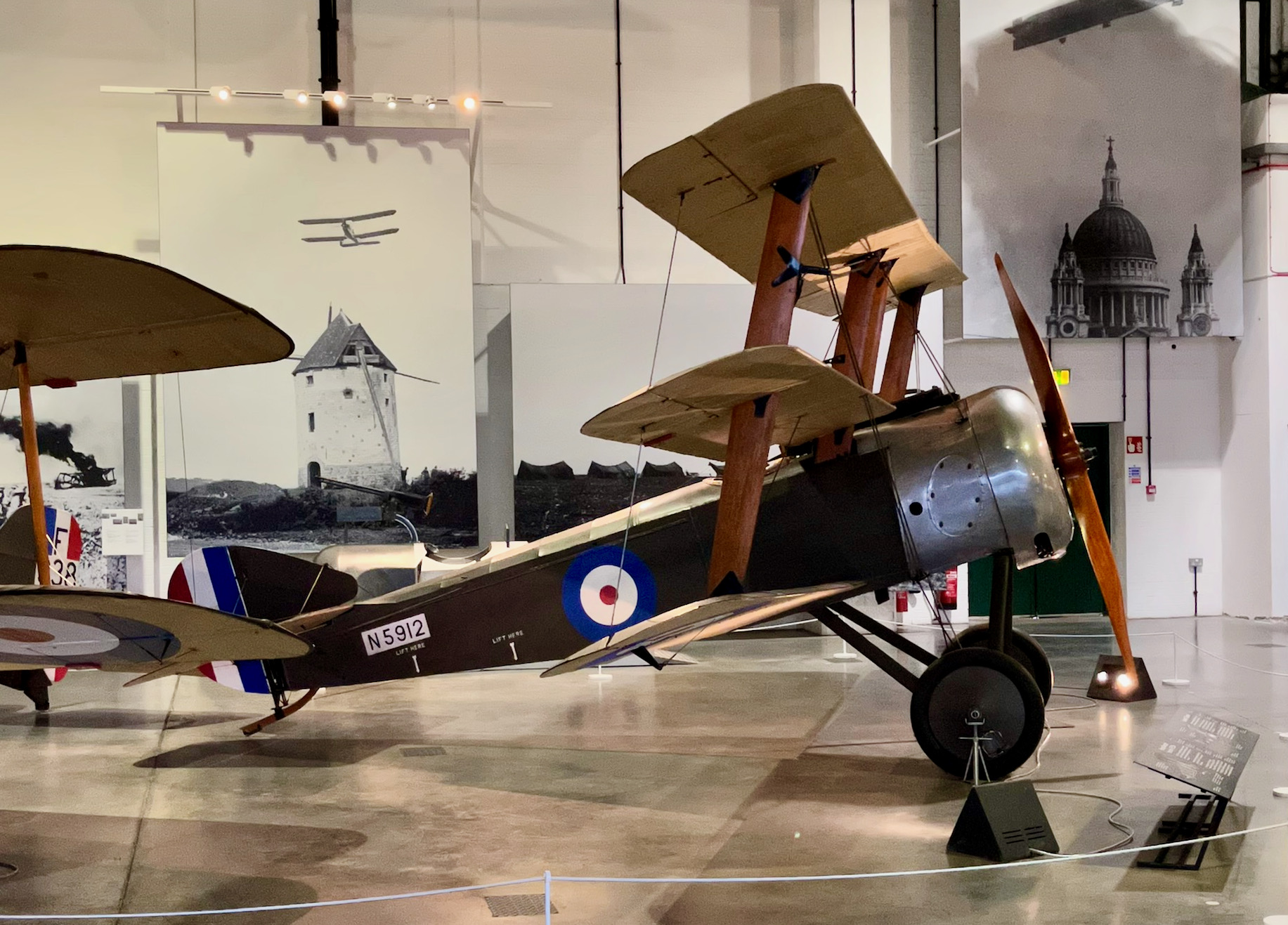
The Sopwith Triplane was a British single seat fighter aircraft designed and manufactured by the Sopwith Aviation Company during the First World War. It has the distinction of being the first military triplane to see operational service.

The triplane concept had a brief life and in less than two years it had been eclipsed by the new and more powerful biplane fighters on both sides.

The arrival of the Triplane on the Western Front in early 1917 made such an impression on the Germans that they produce their own triplane fighters, this lead to the Fokker Dr1 which the infamous Red Baron, Manfred von Richthofen flew. 

Both the Royal Flying Corps and the Royal Naval Air Service ordered the type but policy changes led to the Triplane only being used by the Royal Naval Air Service fighter squadrons on the Western Front.

The Sopwith Triplane at RAF London is one of only two known survivors.