
At Warfare 2021 this year one of the demonstration games that I liked was this one set in Thailand.

There was an airfield.


Running through the middle of the table was a railway line, complete with a train.

warhammer, wh40k, flames of war, bolt action, aeronautica imperialis, star wars, models, news, views and stuff
At Warfare 2021 this year one of the demonstration games that I liked was this one set in Thailand.
There was an airfield.
Running through the middle of the table was a railway line, complete with a train.
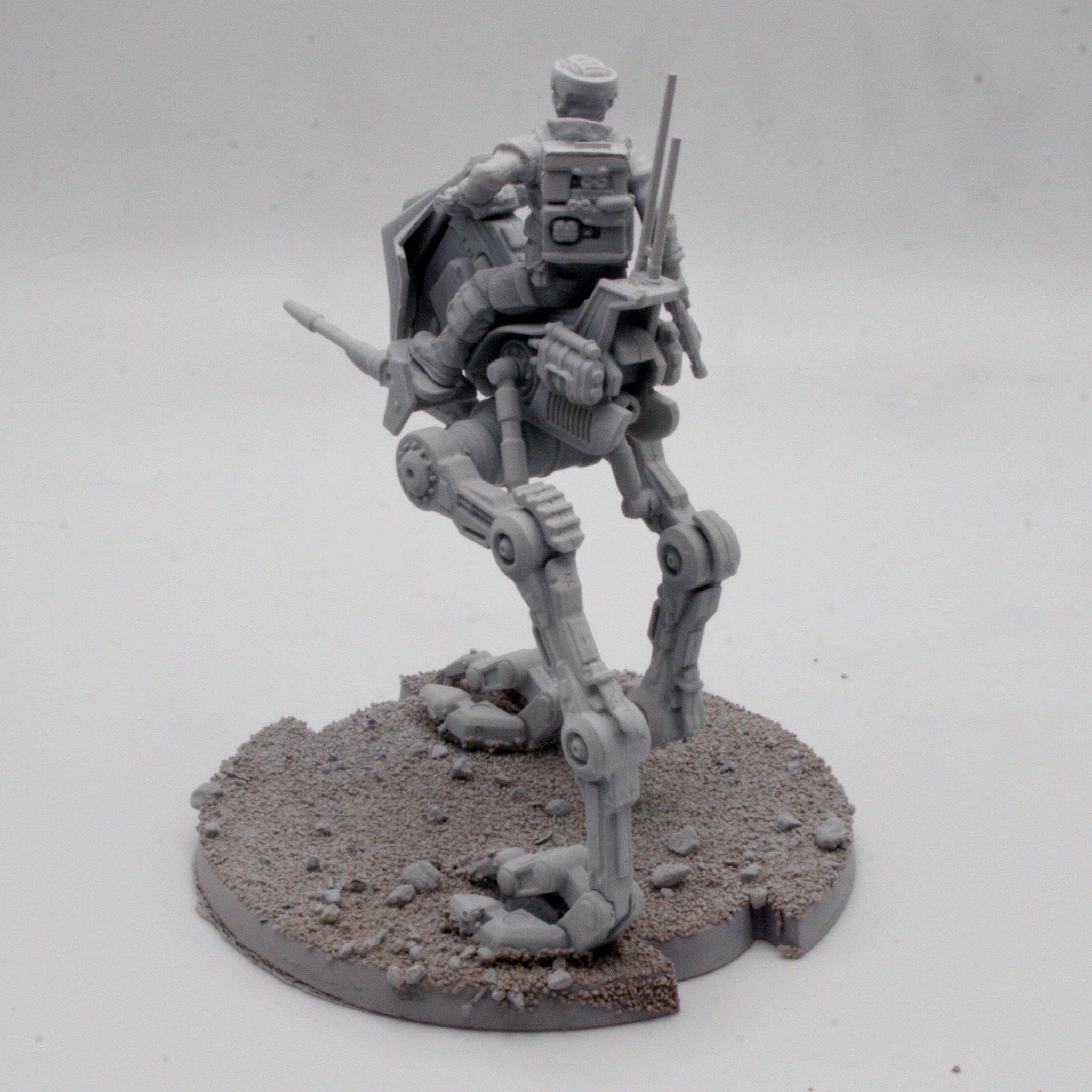
First introduced by the Republic during the Clone War, the All Terrain Reconnaissance Transport, or AT-RT, has since been co-opted by the Rebel Alliance to aid their war against the Empire.
In the Star Wars Legion starter box as well as the fourteen Rebel models there is also a Rebel AT-RT.
The model comes with optional weapons and was easily constructed. I added Citadel Sand to the base.

I then gave the model a white undercoat using Corax White spray.
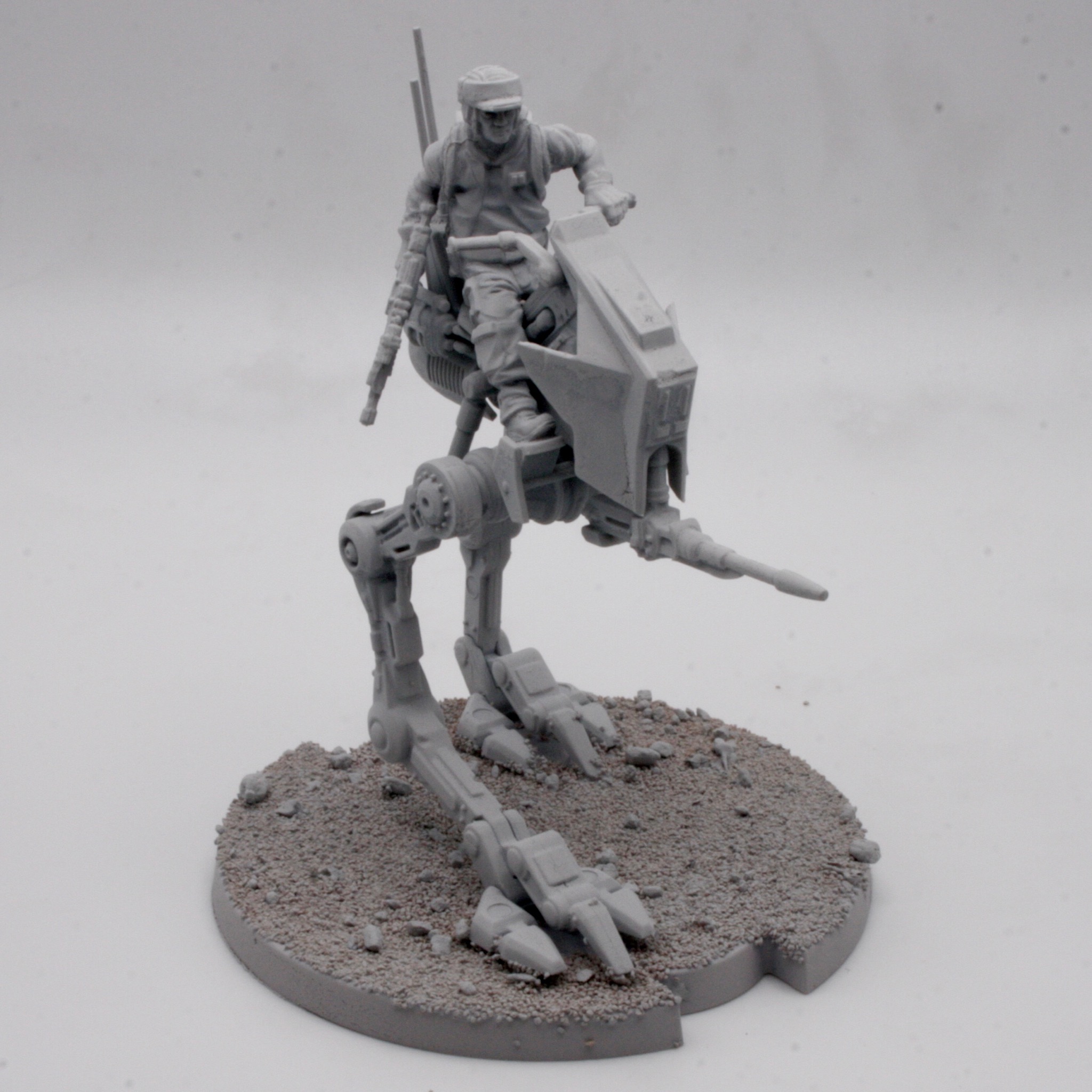
Another view.
This Messerschmitt Me 262 was on display at RAF Cosford.
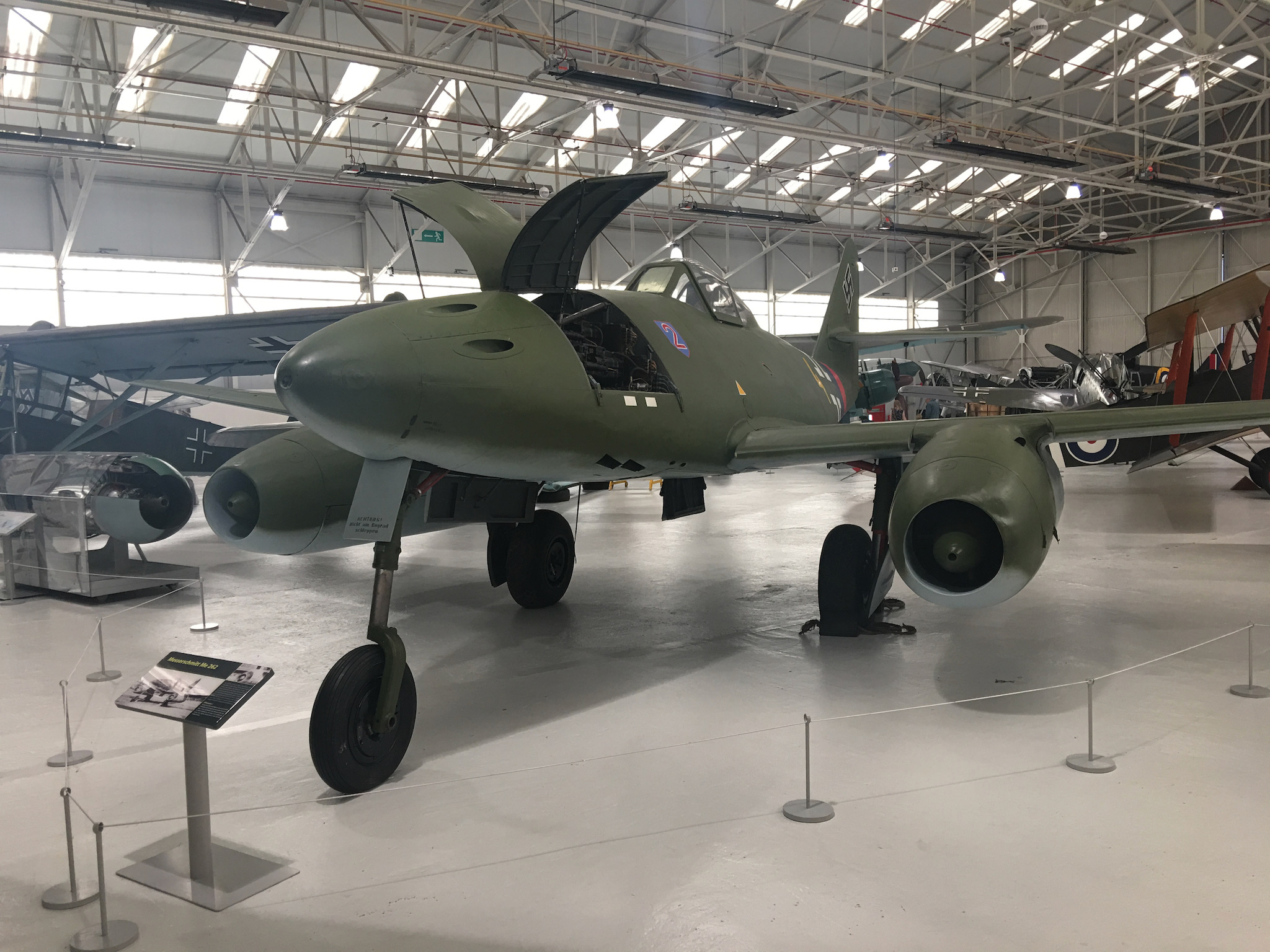
The Messerschmitt Me 262 was the world’s first operational jet-powered fighter aircraft. Design work started before World War II began, but problems with engines, metallurgy and top-level interference kept the aircraft from operational status with the Luftwaffe until mid-1944.
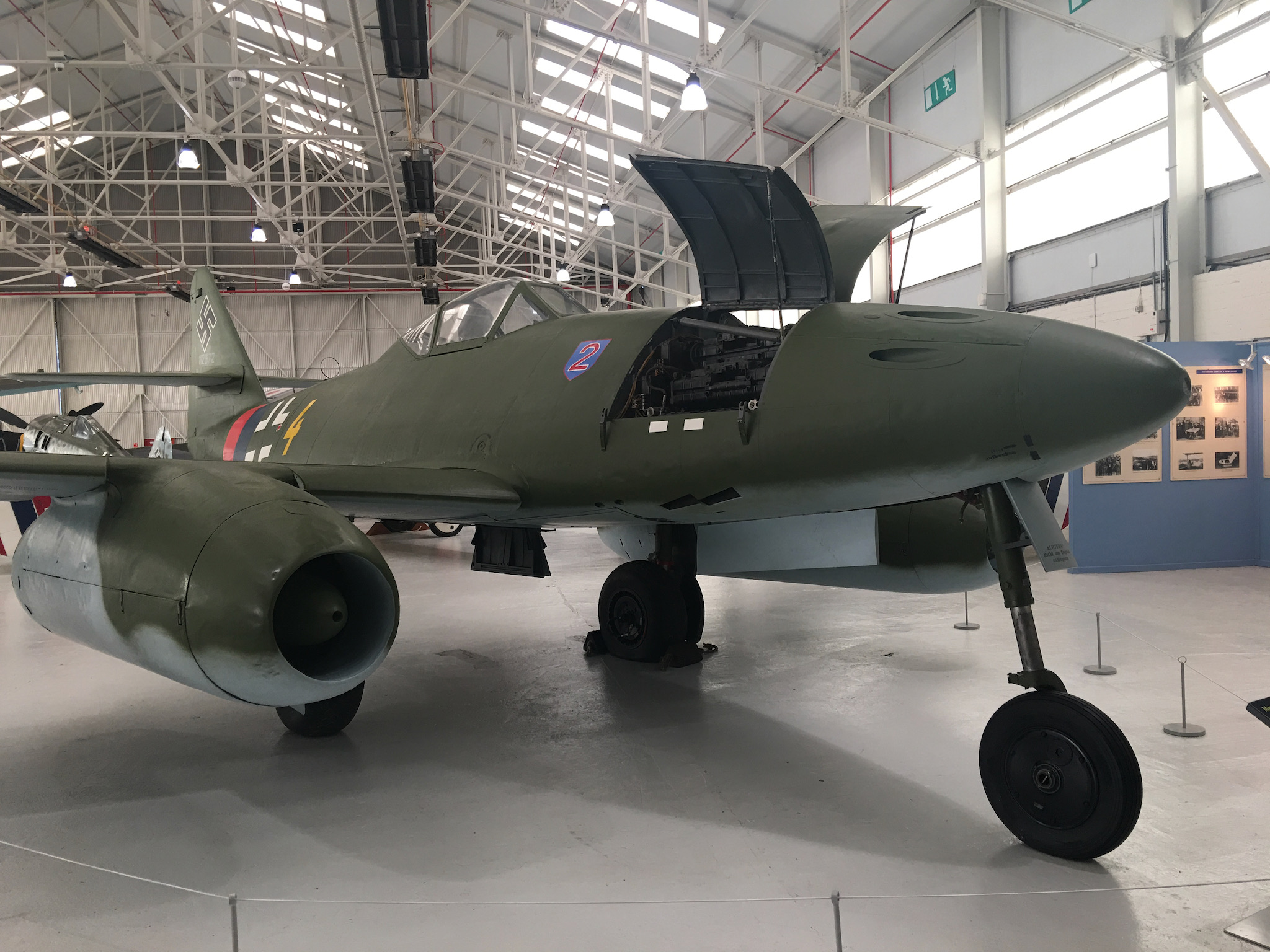
The Me 262 was faster and more heavily armed than any Allied fighter, including the British jet-powered Gloster Meteor.
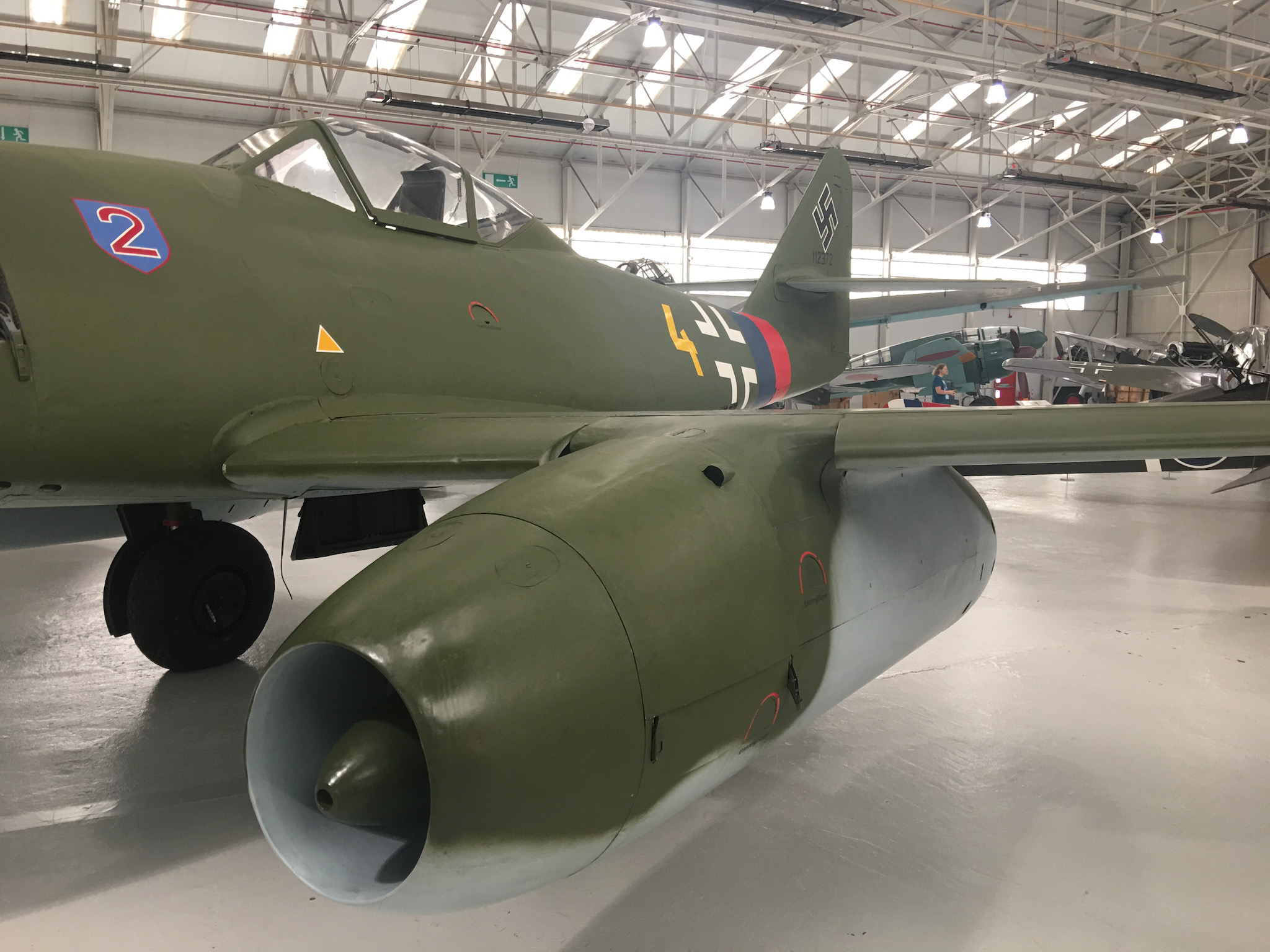
The Me262 was the only jet fighter to see air-to-air combat in World War Two and its appearance was a great shock to the Allies. It was a significantly more advanced design than its British contemporary and many of its aerodynamic secrets were eagerly incorporated in later post-war combat aircraft.
I have been browsing the web, Instagram and Twitter looking at how people have been basing their Adeptus Titanicus titans. I was a little surprised by how many people were using Epic models and scenery. The new Adeptus Titanicus is a different scale to the original Adeptus Titanicus (and Epic) with a figure scale of roughly 8mm compared to the 6mm of Epic. In other words a third larger!
However I knew I had a box of old Epic 40000 ruins sprues somewhere in the garage and went to hunt them down. I was a little surprised by how many of them I had in the box.
So I took some of the ruins and affixed them to the bases that came with the titans, focusing initially on the Warlord Titan and the Reaver Titan (as I had constructed their legs so had an idea of where I could put the scenic items. I also used some plasticard strip, as well as a few spare parts I had from one of my Ork Aeronautica Imperialis model kits.
Having done that I added some slate rubble from an old Warhammer 40 Urban Basing Kit. This I left to dry before then finishing off the base with some Citadel Sand.
This is the Warlord Titan base.

I then gave the base a white undercoat.

With some Warlord Battle Titan legs.

I did a similar thing for the Reaver. Continue reading “Landscaping the Titan bases”
Luke Skywalker was a Tatooine farmboy who rose from humble beginnings to become one of the greatest Jedi the galaxy has ever known. Along with his friends Princess Leia and Han Solo, Luke battled the evil Empire, discovered the truth of his parentage, and ended the tyranny of the Sith.
A model of Luke Skywalker is included in the Star Wars Legion starter box.
The model comprises two parts.
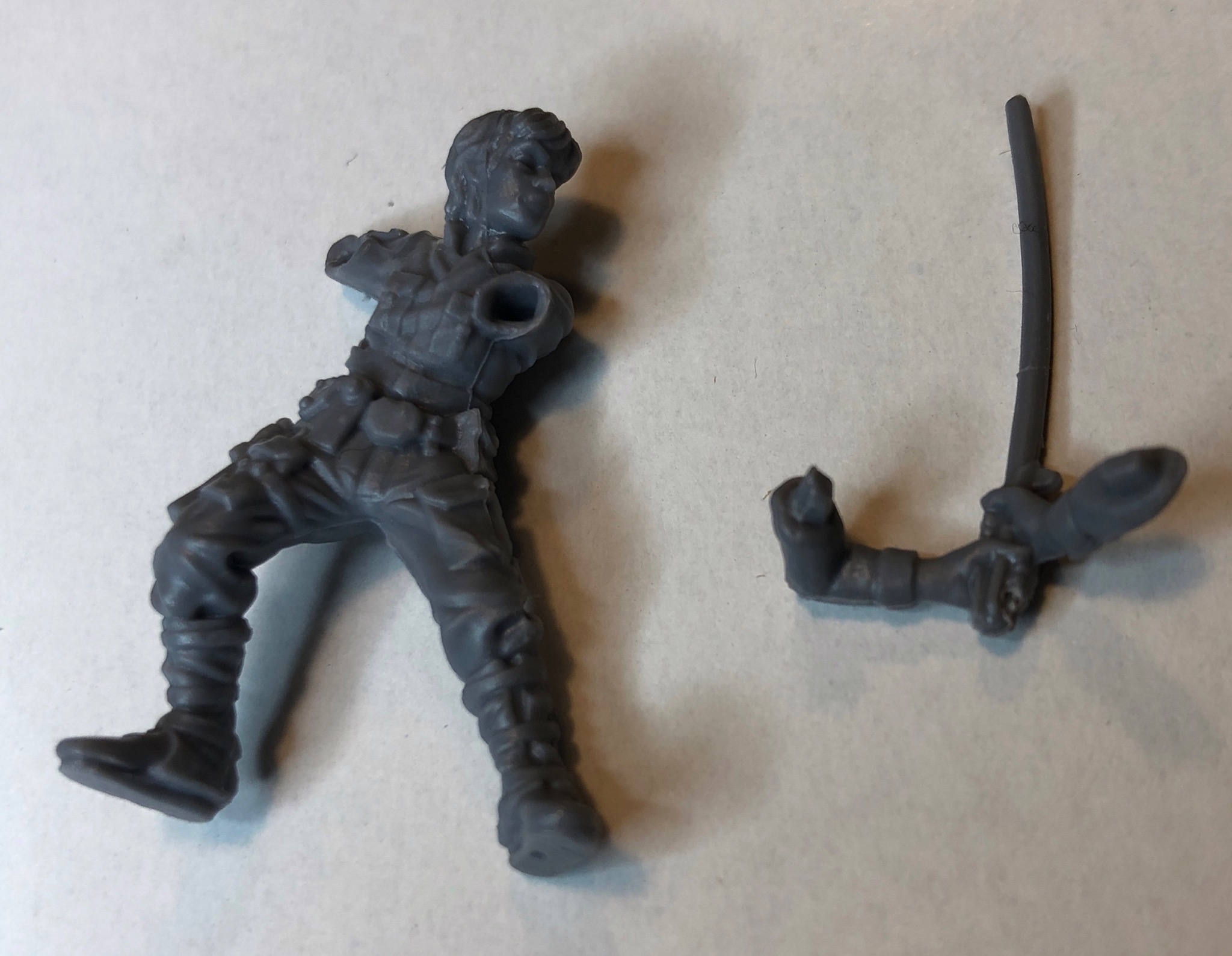
One of the problems with the plastic material is that the light sabre bends…
I glued the model together and then affixed him to the base. I then used Citadel Sand to cover the base.

The model was then given a white undercoat.

Now onto the basecoat.
This Gloster Meteor F8 Prone Position was on display at RAF Cosford.

A much modified Meteor F8 fighter, the ‘prone position’ Meteor, was used to evaluate the advantages of coping with the effects of gravity while flying lying down. In practice the difficulties of operating the controls of the aircraft outweighed the advantages.

For the first time in ages I went to Warfare in Reading (well Ascot Racecourse).
I am pretty sure the last time I went in 2015, it was at the Rivermead Leisure Centre in Reading.
There was plenty of tournament activity and I saw some excellent Adeptus Titanicus painted titans. Either very inspiring or will really put me off painting mine!
There wasn’t as many demonstration or participation games as I thought there might be, some looked great though.

There were lots of trade stands, and is one of the reasons many people go and I did have some ideas of what I was going to buy. Though in the end I didn’t buy anything, not that I wasn’t tempted. I was quite taken by the MDF terrain from Blotz. However I still have quite a bit of MDF terrain on my workbench, so I want to get that finished before I buy any more.
I didn’t take as many photographs as I thought I would, but will post them (now and again) over the next few weeks to the blog.
In the Star Wars Legion starter box you get eight barricades.
They are made from the same grey plastic as the figures.
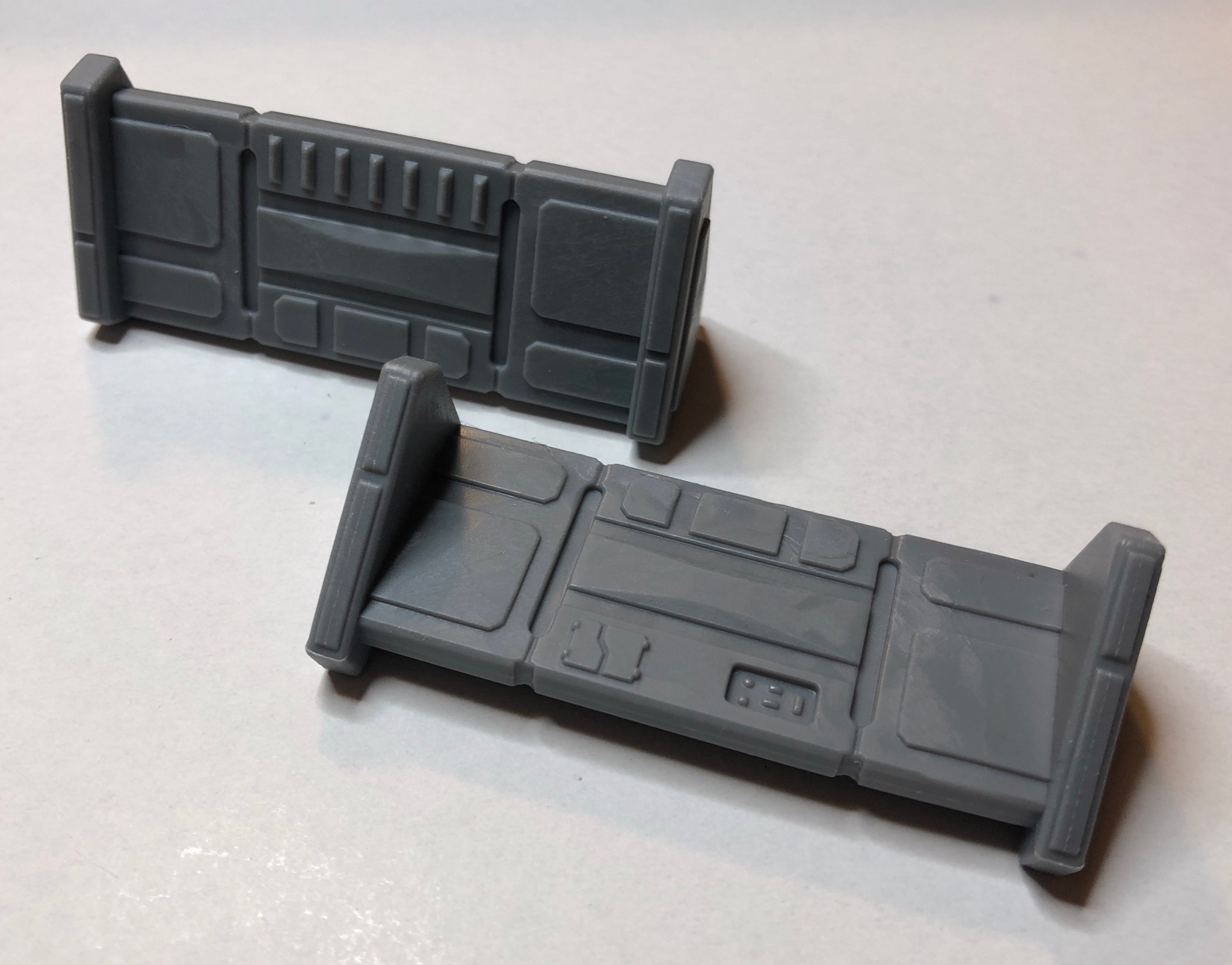
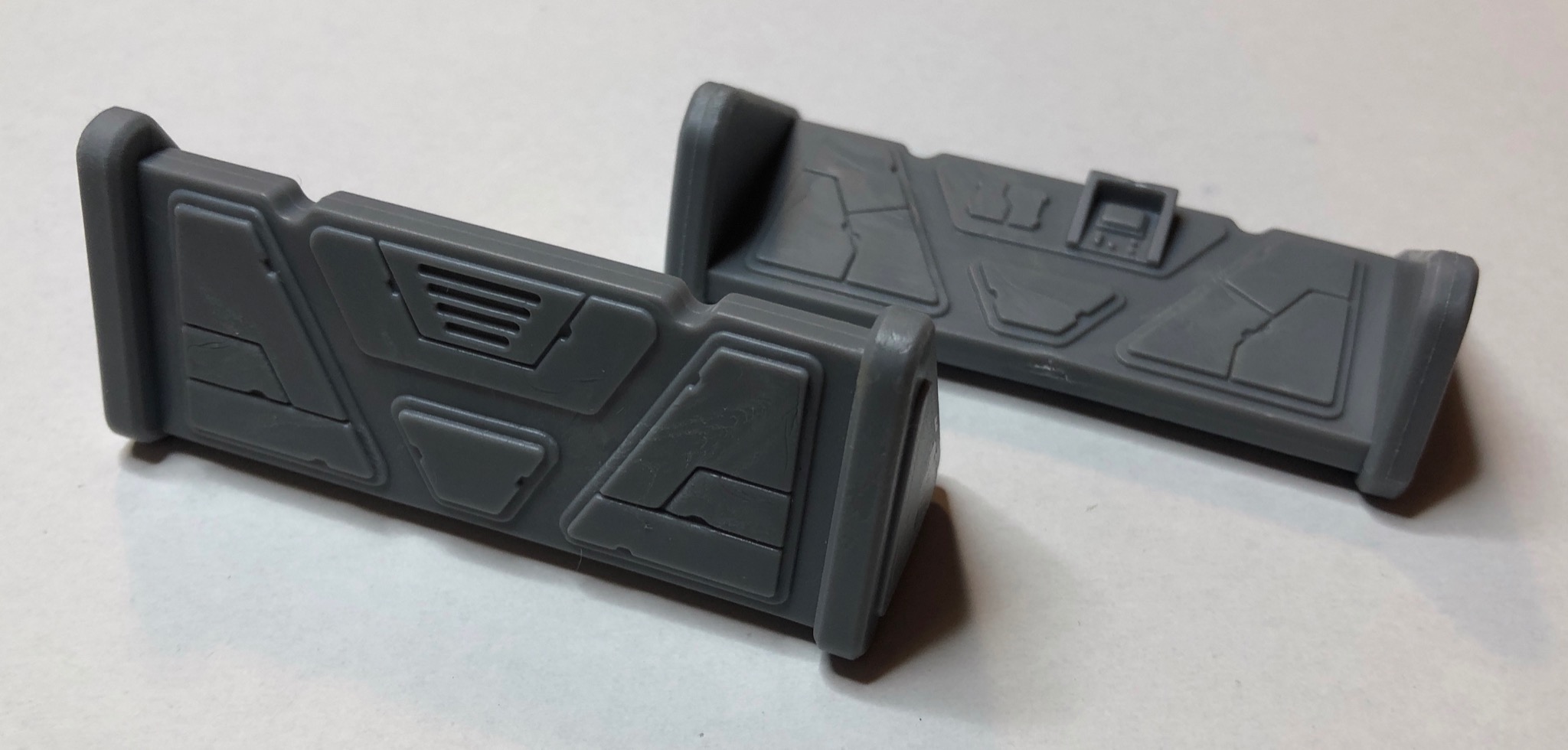
These I will keep simple, white undercoat and then probably contrast paint, drybrush with a highlight and weather accordingly.
I have been browsing the web, Instagram and Twitter looking at how people have been basing their Adeptus Titanicus titans. I was a little surprised by how many people were using Epic models and scenery.
The new Adeptus Titanicus is a different scale to the original Adeptus Titanicus (and Epic) with a figure scale of roughly 8mm compared to the 6mm of Epic. In other words a third larger!
However I knew I had a box of old Epic 40000 ruins sprues somewhere in the garage and went to hunt them down. I was a little surprised by how many of them I had in the box.
So I took some of the ruins and affixed them to the bases that came with the titans, focusing initially on the Warlord Titan and the Reaver Titan (as I had constructed their legs so had an idea of where I could put the scenic items.
I also used some plasticard strip, as well as a few spare parts I had from one of my Ork Aeronautica Imperialis model kits.
This is the Warlord Titan base.


This is the Reaver Titan base.


Overall I quite like the bases. The next step will be adding rubble and sand.
This Sopwith 1½ Strutter was on display at RAF Cosford.

The Sopwith two-seater, quickly named the 1½ Strutter because of the unusual arrangement of its central mainplane bracing struts, was designed in 1915 as a high performance fighting aircraft. It was ordered in large numbers for both the Royal Flying Corps and the Royal Naval Air Service and it was widely used by escadrilles of the French Aviation Militaire as well as Belgian and United States air forces.
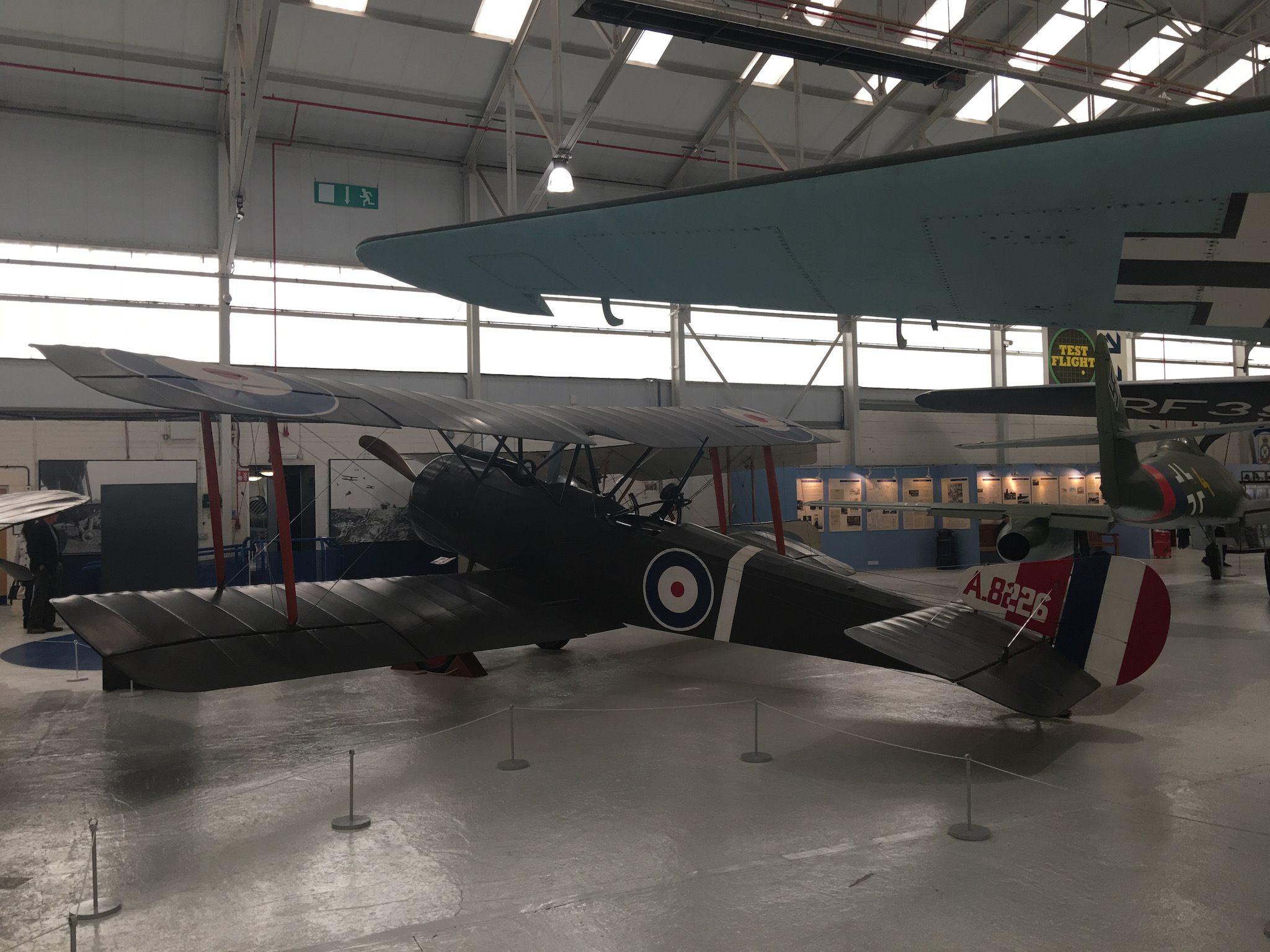
This aircraft was built to original Sopwith factory drawings and flown in 1980. It bears the markings of A8226, which was initially allotted to the Royal Flying Corps in France on 25 April 1917 and was used by C Flight of No.45 Squadron. Its operational career ended on 27 May 1917 while being flown by Captain L.W. MacArthur with 2nd Lt A.S. Carey as his observer The aircraft was shot down by Leutnant Max von Muller of Jagdstaffel 28 as his thirteenth combat victory.