Supermarine Spitfire Mk I

The Spitfire is the most famous British fighter aircraft in history. It won immortal fame during the summer months of 1940 by helping to defeat the German air attacks during the Battle of Britain.

The prototype made its first flight four years earlier as Britain’s industry geared up to re-arm against the threat from Nazi Germany. From the beginning pilots recognised it as a thoroughbred combining a perfection of design with superb handling characteristics.

Once the RAF modified their tactics to properly counter the Luftwaffe, the Spitfire MkI proved to be the only British fighter capable of meeting the Messerschmitt Bf109E on equal terms. Often the outcome of a combat depended more on the quality of the pilot than his aircraft.

Perhaps the greatest compliment paid to this aircraft was made at the height of the Battle of Britain by a German ace, who in a moment of anger and frustration, turned to his Commander in Chief and demanded a squadron of Spitfires!

There is also a Spitfire Mk 1 at RAF Cosford.

Adding the basecoat

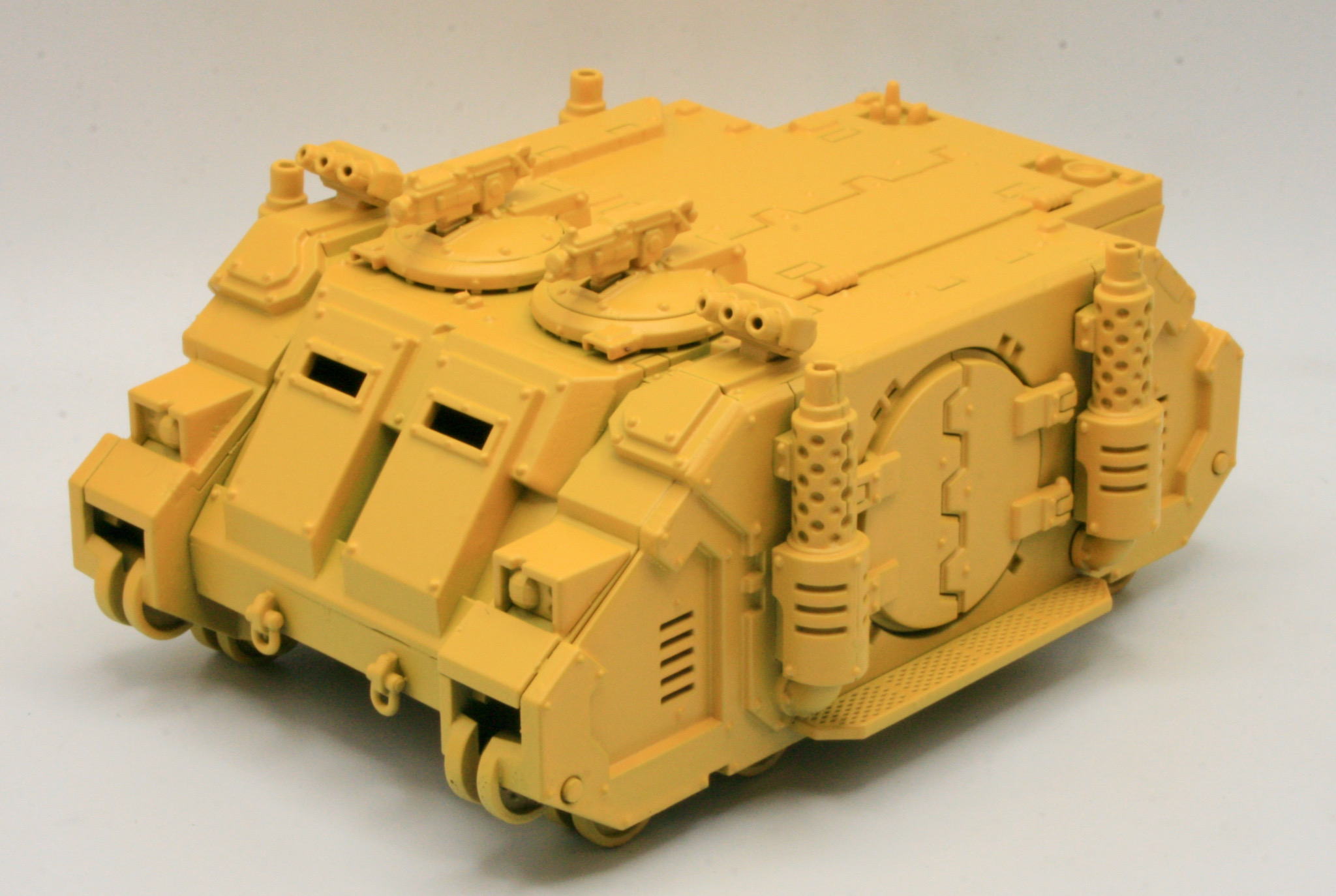
I pre-ordered the Horus Heresy Deimos Pattern Rhino and having picked it from my local FLGS I did think, would I leave it on the shelf for a few months (or years) before I started on it. Well I even surprised myself and actually started it a day or so after picking it up. I put the model together and then gave it a white undercoat. I also sprayed the underneath of the model with Citadel Zandri Dust in preparation for painting the the whole model yellow.

Games Workshop don’t do a yellow spray and I don’t have an airbrush. I did use a paint comparison site to find a close alternative to Yriel Yellow. The Daemonic Yellow spray from Army Painter seemed like a good choice, and my local FLGS had one in stock.

I gave the model a couple of light coats of Daemonic Yellow.

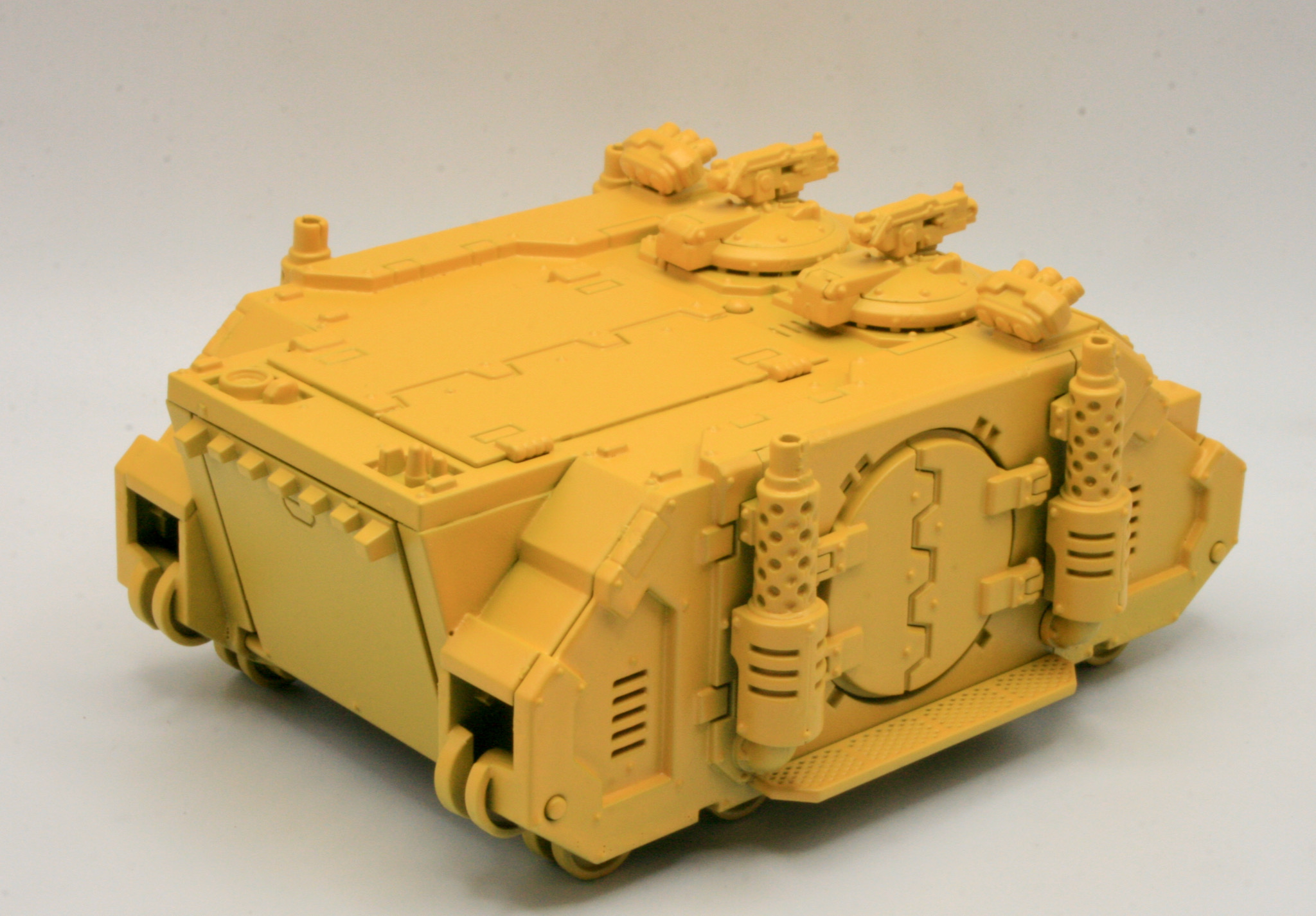
The rear view.

I will be painting the exhausts and bolters with Leadbelcher. The next step after that will be shading the model.

For the tracks, still on the sprue, I gave them a spray of Mechanicus Standard Grey.

Messerschmitt Bf 109E-3

This Messerschmitt Bf 109E-3 was on display at RAF London.

The Messerschmitt Bf 109 is a German World War II fighter aircraft that was, along with the Focke-Wulf Fw 190, the backbone of the Luftwaffe’s fighter force. The Bf 109 first saw operational service in 1937 during the Spanish Civil War and was still in service at the dawn of the jet age at the end of World War II in 1945.

The Bf109E was an improved version of an aircraft designed by Willi Messerschmitt in 1935. It had proved to be a superb fighter during early combat trials in the Spanish Civil War.

Only when German fighter pilots met the Spitfire in combat did they find an aircraft in some ways equal to their own. The Bf109E was as fast as the Spitfire, faster than the Hurricane but could out-climb both.

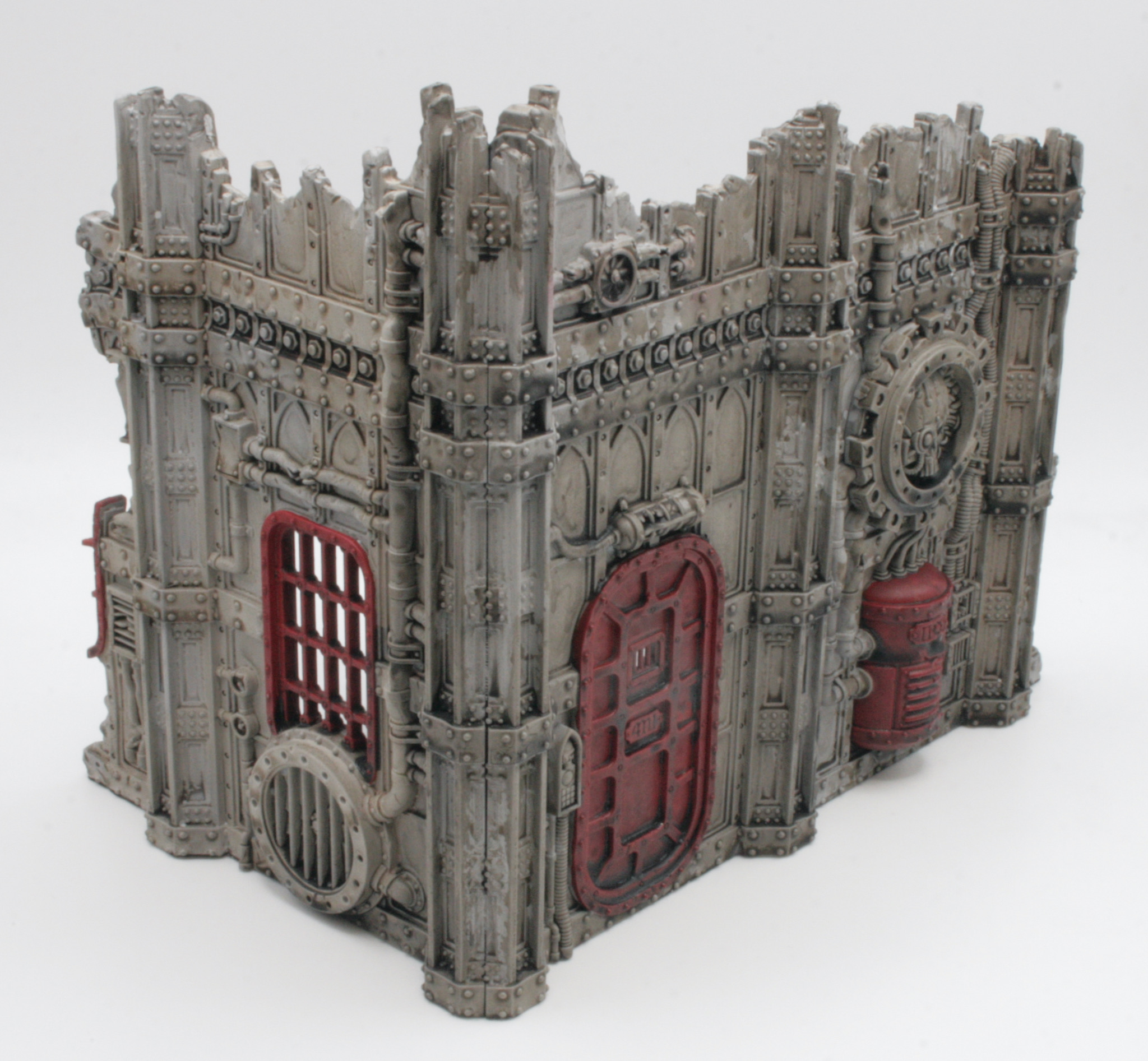
Washing the white ruins

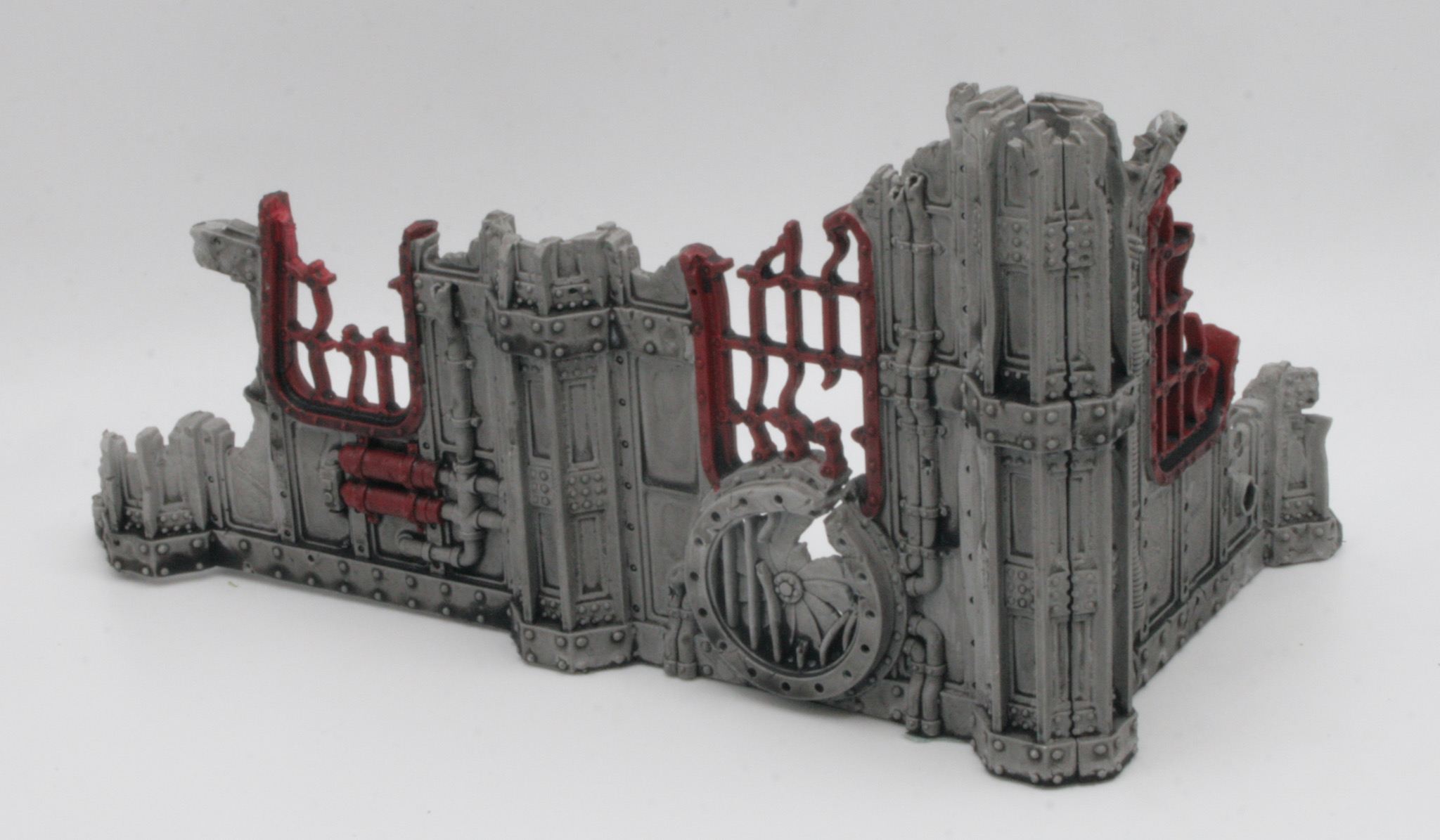
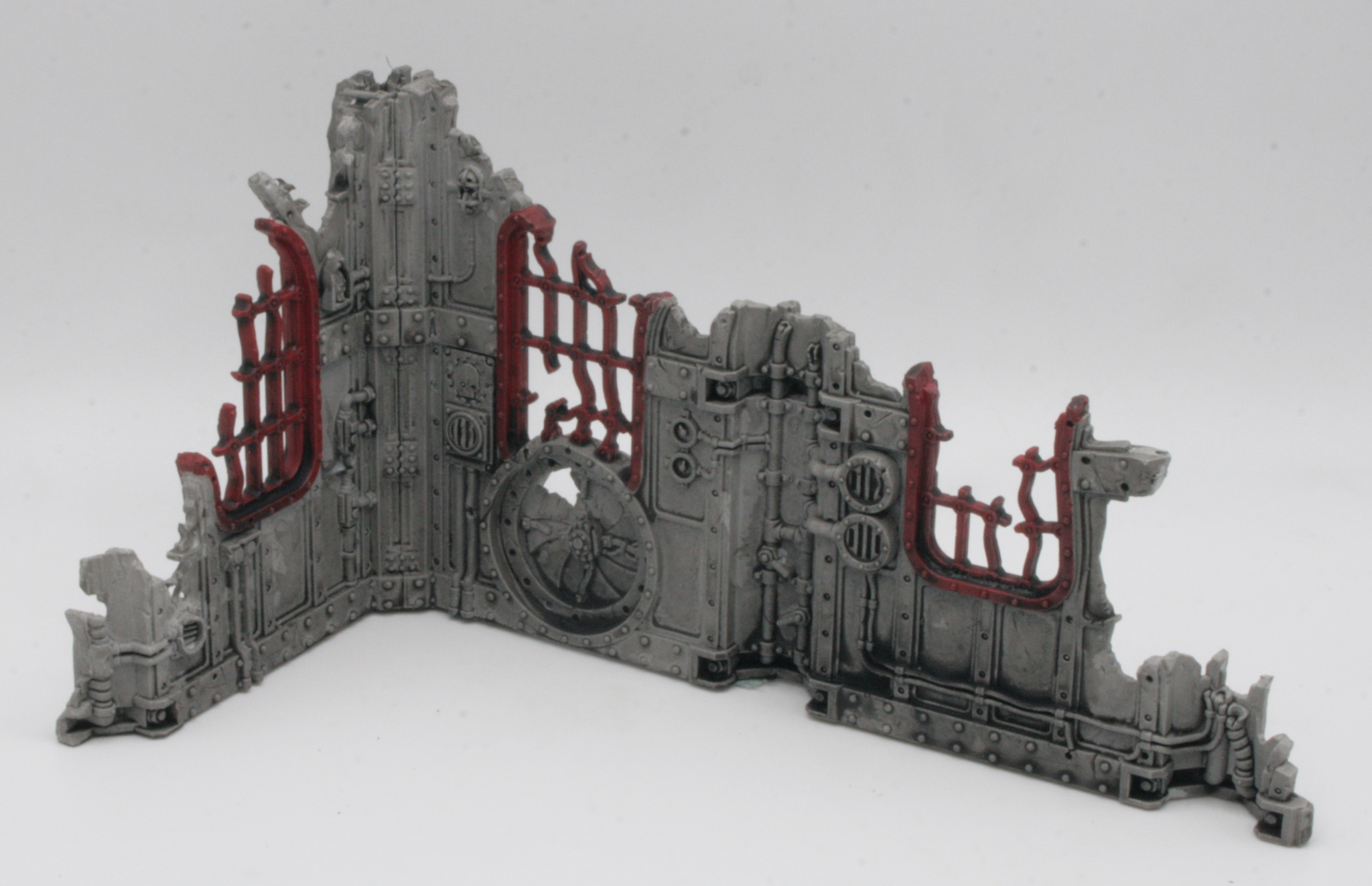
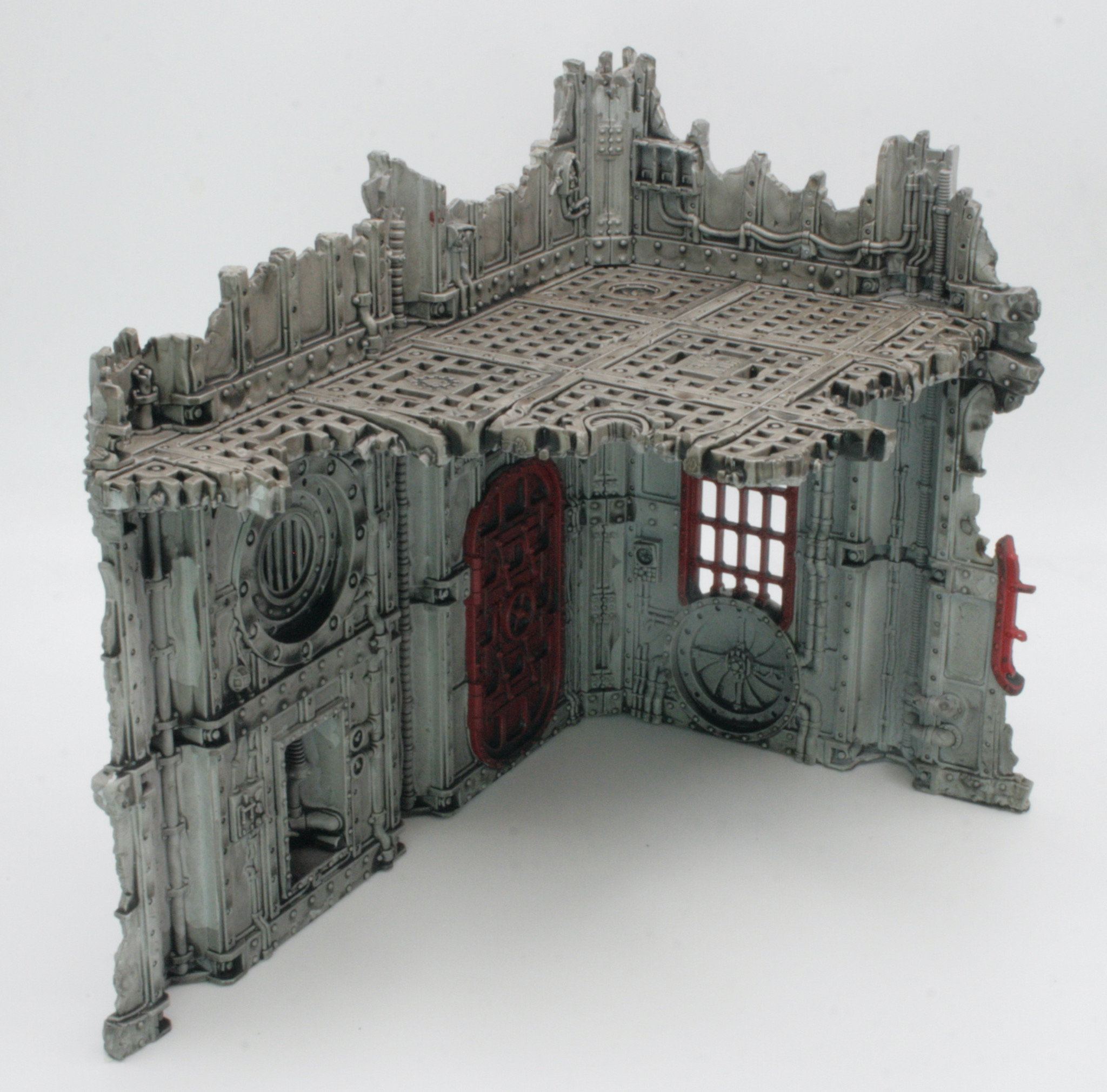
I got a couple of Ruined Factorum sprues that came with Warhammer 40000 Imperium 34. The ruins are from the The Battlezone: Manufactorum – Sub-cloister and Storage Fane kit. One I decided I was going to paint in the same manner as the first Ruined Factorum, for the second I chose to follow the (white and red) paint scheme as outlined in Warhammer 40000 Imperium.

Having constructed the models I gave them a white undercoat. I sprayed the model a few more times with the Corax White spray. I then, following the instructions painted the doors and window frames with Mephiston Red base paint.

According to the instructions in Warhammer 40000 Imperium the next step was to wash the models with Nuln Oil Shade.

I did this, but realised I wanted a slightly dirtier look as with the GW version. So I used some Agrax Earthshade Shade as well.

I haven’t quite got the look I was hoping for, so I might do some more shading.

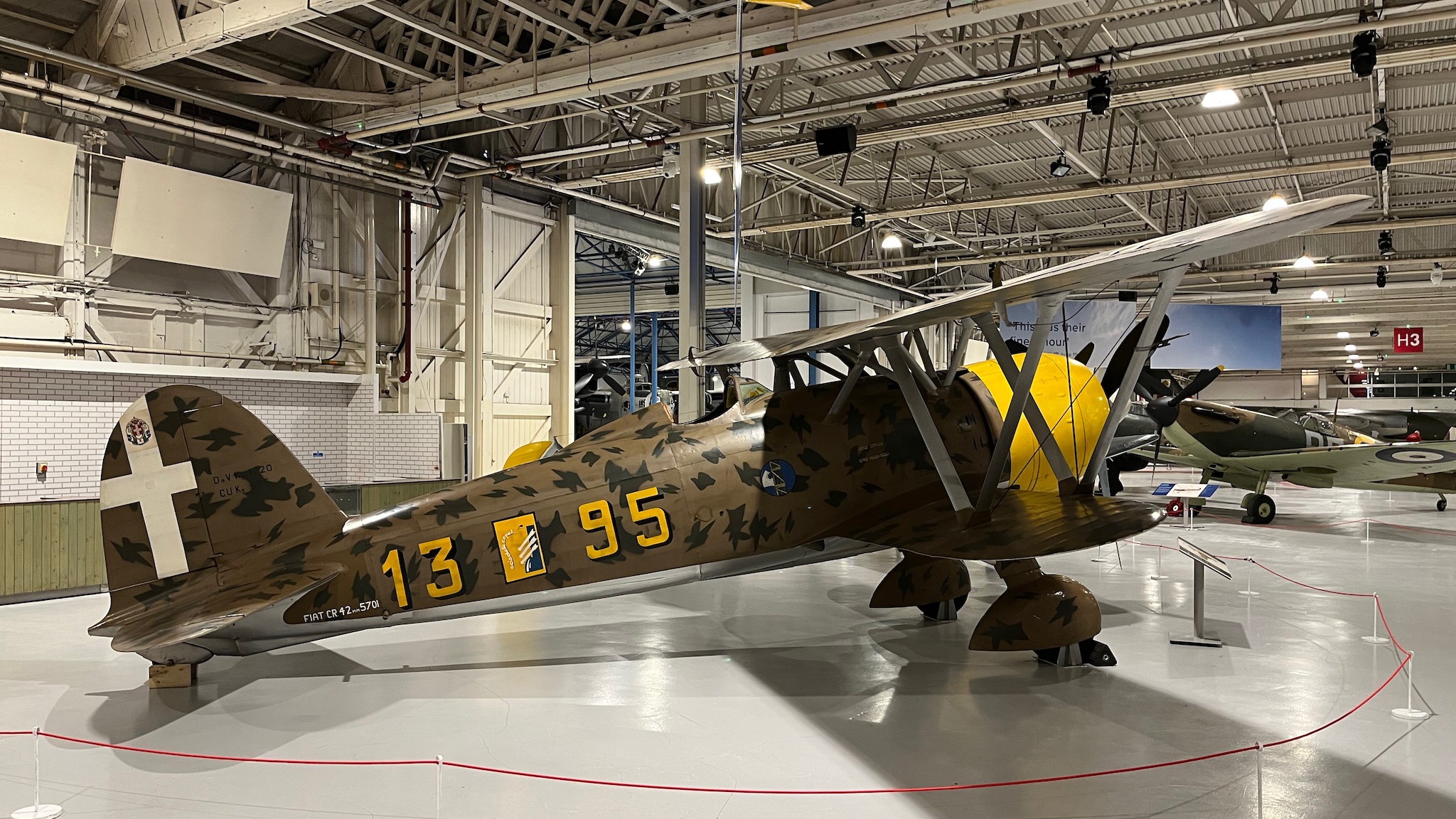
Fiat CR.42 Falco

The Fiat CR.42 Falco is a single-seat sesquiplane fighter developed and produced by Italian aircraft manufacturer Fiat Aviazione. It served primarily in the Italian Regia Aeronautica in the 1930s and during the Second World War.

Fiat CR.42 Falco

The CR42 was a delightful machine to fly and was the best biplane in service in 1940. Although the days of the biplane fighter were numbered it continued to take part in air operations until the end of 1943 and was built in greater numbers than any other Italian World War Two fighter.

This immensely strong and very manoeuvrable fighter first saw combat in the brief two week campaign over Southern France. Light losses against the French gave the Italians a mistaken impression that their tactics and aircraft were highly effective.

National pride and political prestige, rather than military necessity, led the Italian Dictator Mussolini to send a force of bombers and fighters to take part in the air battles against Great Britain. Arriving at airfields on the Channel coast in October 1940 they proved something of an embarrassment to the Luftwaffe who had resisted the move for some time. Bad weather and obsolescent equipment meant that the venture was not a success.

Little combat with British fighters took place over the British Isles but it did reveal the CR42’s major weakness; its armament of two machine guns was no more than a World War One fighter and it was unable to inflict major damage on its opponents.

Undercoating the Legion Deimos Pattern Rhino

I pre-ordered the Horus Heresy Deimos Pattern Rhino and having picked it from my local FLGS I did think, would I leave it on the shelf for a few months (or years) before I started on it. Well I even surprised myself and actually started it a day or so after picking it up. I put the model together and then gave it a white undercoat.

I then let this dry.

I also undercoated the tracks, which I left on the sprue.

As I have decided to go with the Imperial Fists I then sprayed the underneath of the model with Citadel Zandri Dust in preparation for painting the the whole model yellow.

This is designed to add shadow.

The next step is to paint the model yellow.

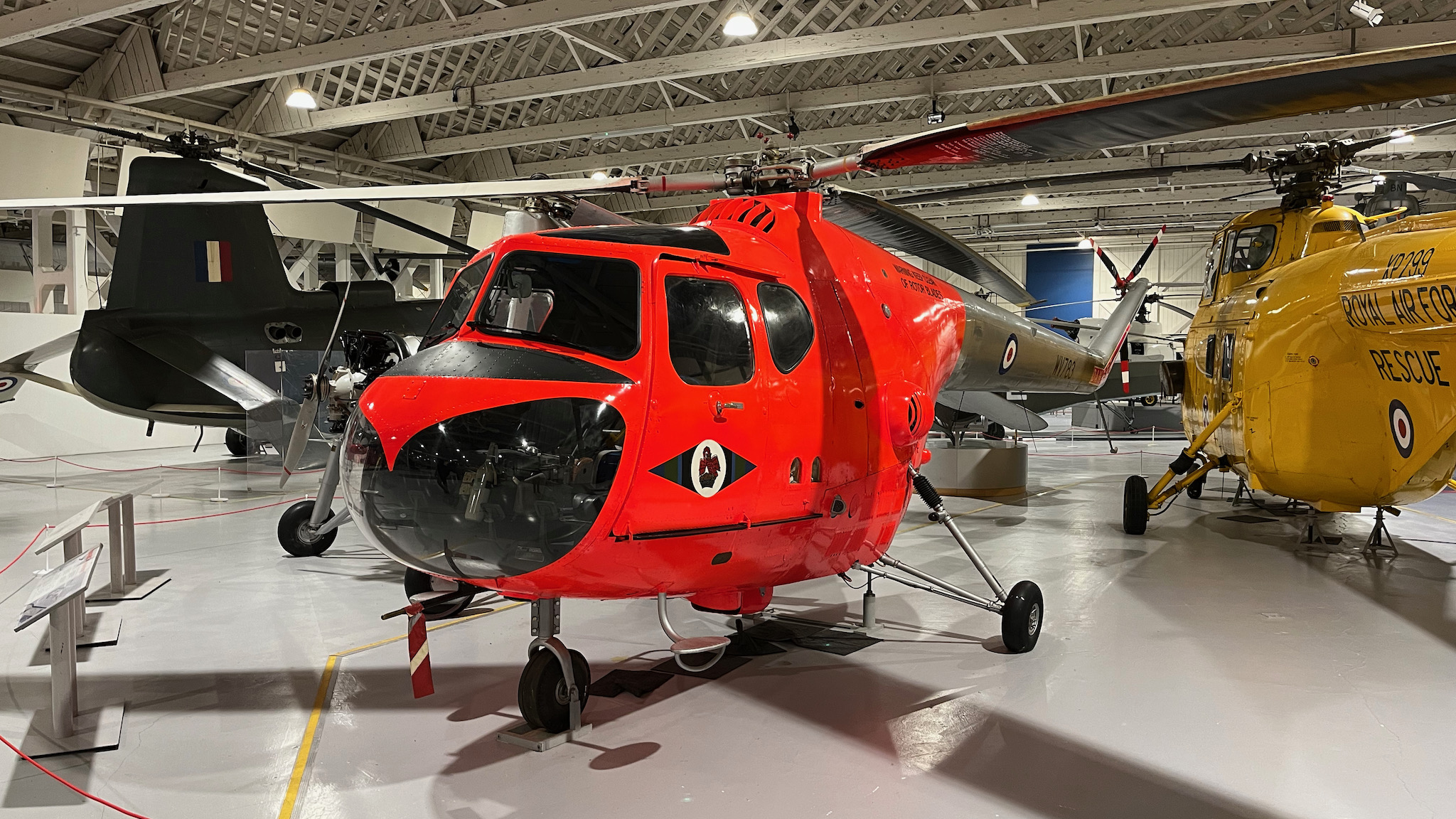
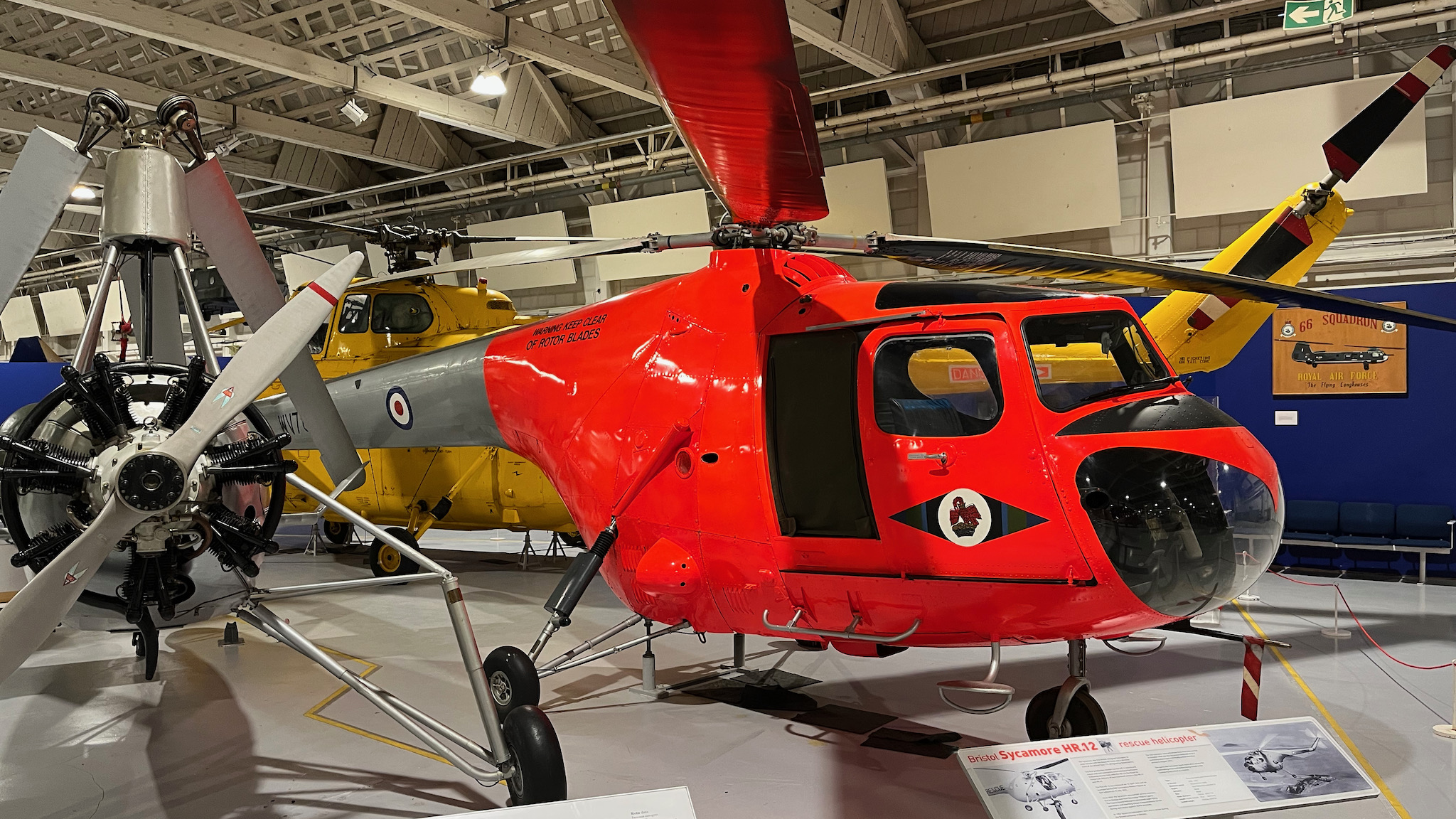
Bristol Sycamore HR.12

The Bristol Type 171 Sycamore was an early helicopter developed and built by the helicopter division of the Bristol Aeroplane Company. It has the distinction of being the first British helicopter to receive a certificate of airworthiness, as well as being the first British-designed helicopter to be introduced by and to serve with the Royal Air Force (RAF).

This Bristol Sycamore was on display at RAF London.

There was also a RAF Bristol Sycamore was on display at RAF Cosford.

Basecoating the Thermic Plasma Conduits

I picked up a copy of Warhammer Imperium Issue 37 which comes with some Thermic Plasma Conduits.

This kit is no longer available from Games Workshop and you get one sprue which allows you to build a series of conduits.

The kit goes together quite easily. I made mine into three large conduits. The models were then given a white undercoat.

I gave the models a basecoat of Leadbelcher.

The next step will be adding a shade.

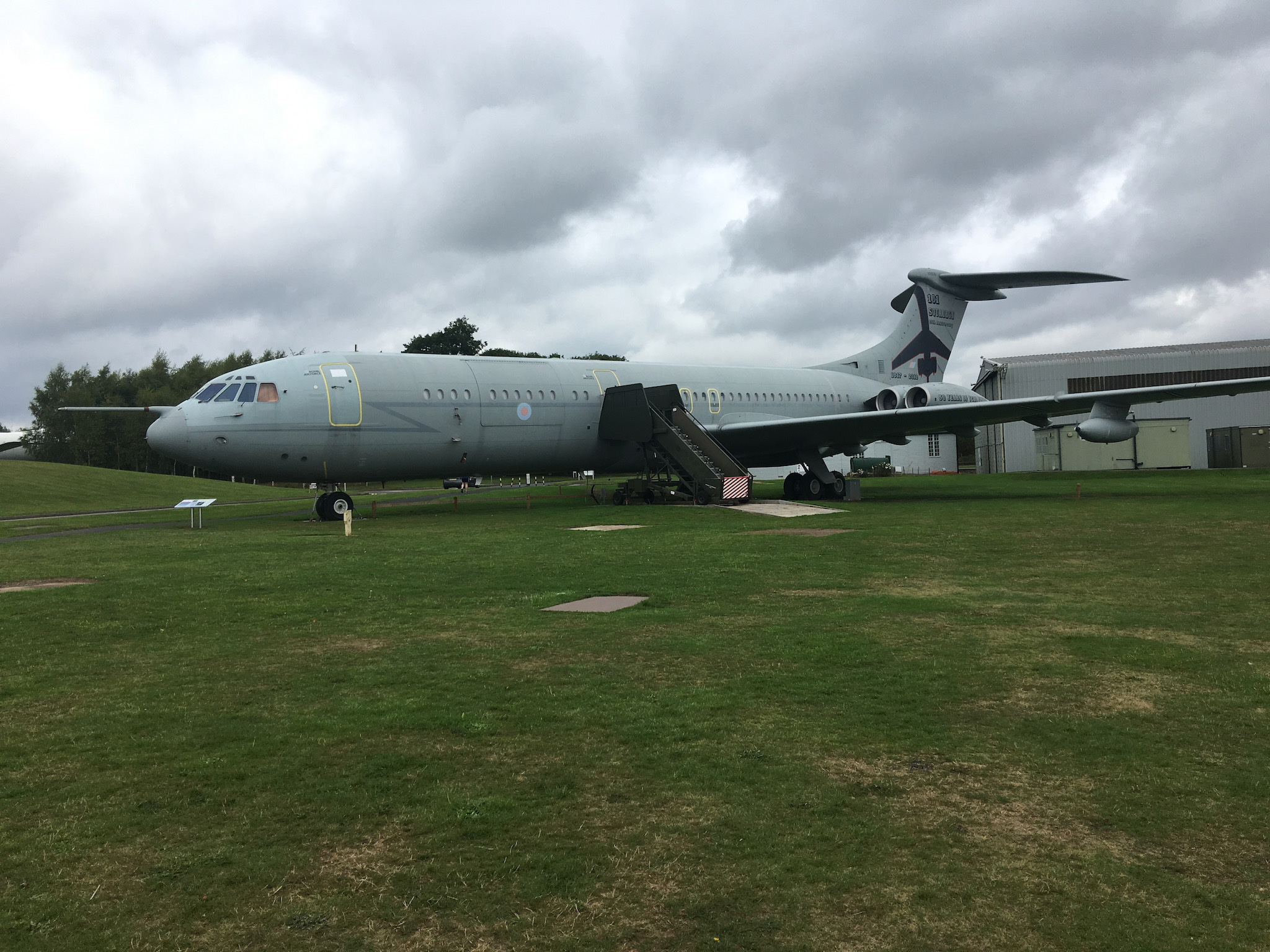
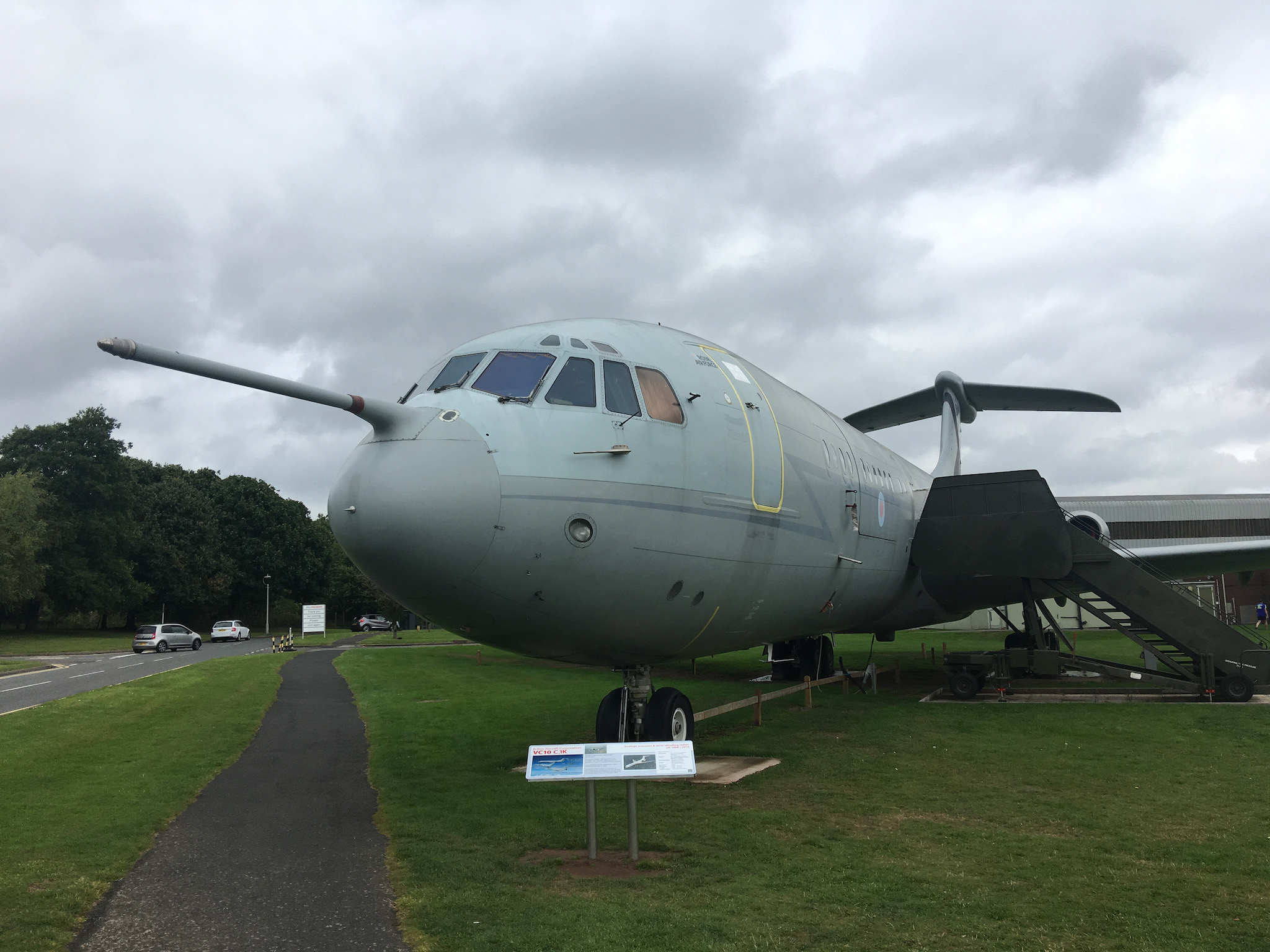
Vickers VC10 XR808

The VC10 was designed as a long range airliner able to operate from short runways at airfields in hot and high conditions as found in Africa and the Far East.

The rear engine configuration meant that the cabin was very quiet. The aircraft had a high cruising mach number and had very good short field performance.  However, this was achieved at the cost of very high fuel burn in the cruise which may explain why the aircraft attracted few overseas customers.

In the later part of its service the aircraft was modified for the tanking role but kept its passenger and freight carrying ability.

A gallery of photos can be viewed of VC10 XR808’s journey to RAF Cosford here.

There was a civilian VC10 at Duxford.