Tally Ho Adventurer

Over the summer I watched Indiana Jones and the Dial of Destiny I was reminded of this photograph I took of the Talisman Adventurer metal model in a Egyptian setting.

The background was a printed backdrop. I used some sand flock to represent the sand. The wooden cases were resin models from Alternative Armies.

The Adventurer was a metal model that was release for the Talisman Timescape expansion.

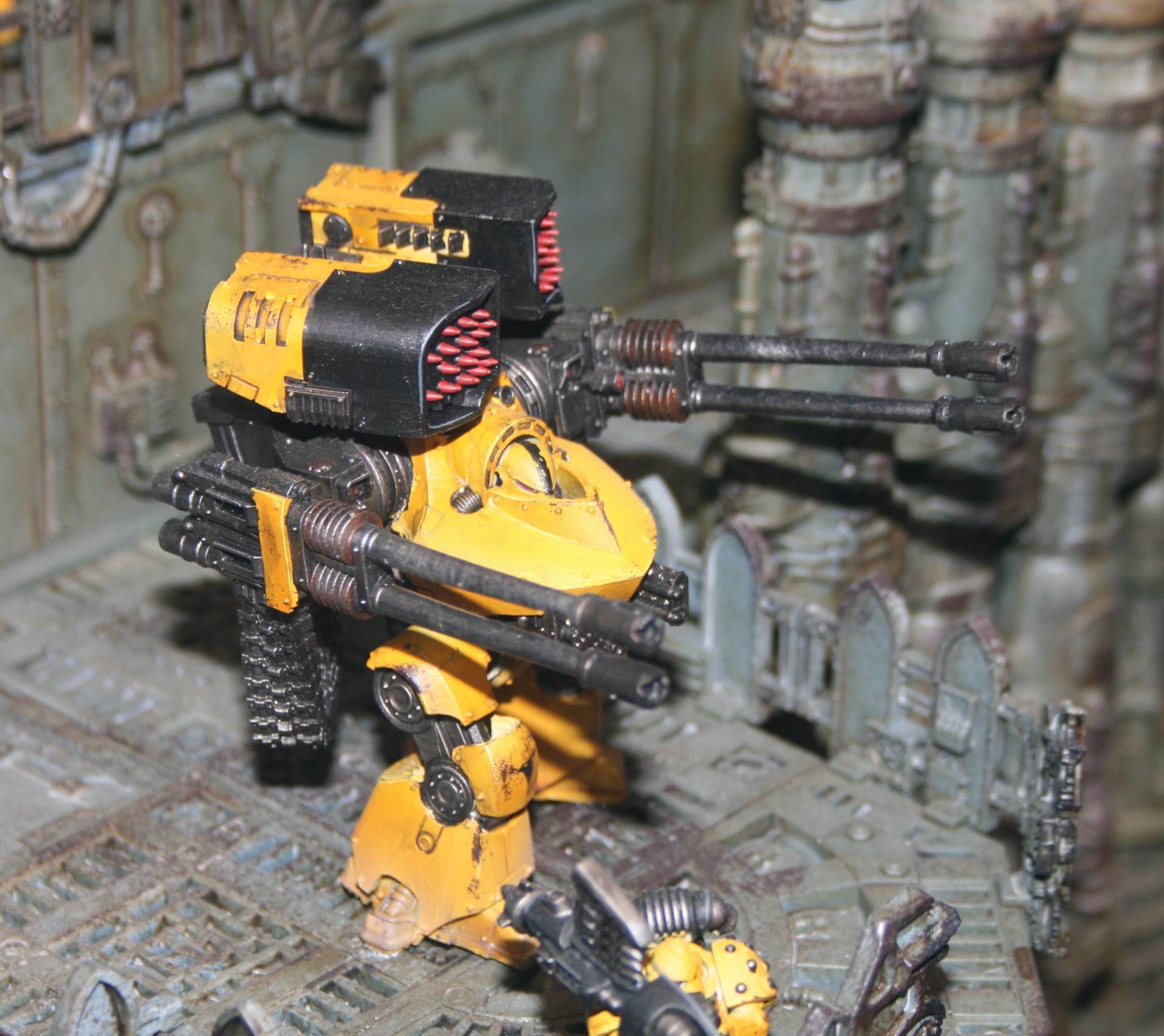
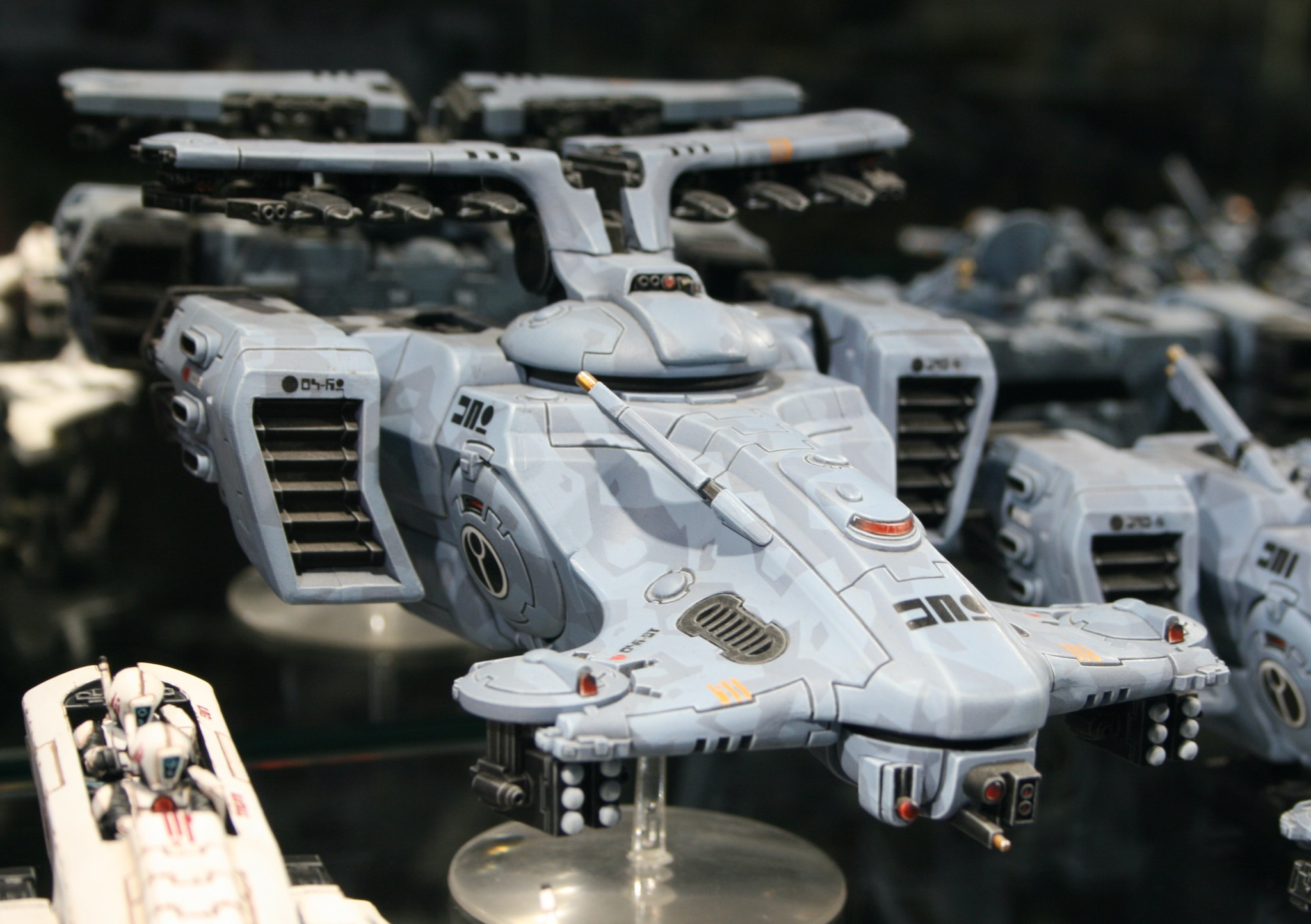
Deimos Pattern Whirlwind Scorpius

An ancient variant of the more common Whirlwind missile tank, the Scorpius was designed with a single purpose in mind – the destruction of heavily armoured infantry. The Scorpius variant replaces the Whirlwind’s multiple missile launcher system with the intricate drum-fed scorpius launcher, whose implosive warheads are devastating to armoured infantry and light vehicles.

Deimos Pattern Whirlwind Scorpius

The Whirlwind Scorpius’ origins lie in the dark days of the first inter-Legion civil war and, in more recent times, it has become an all but forgotten relic amongst some Chapters as the ability to manufacture its complex munitions has become a forgotten art, but for other Chapters it still remains a potent weapon of war.

Deimos Pattern Whirlwind Scorpius

These Deimos Pattern Whirlwind Scorpius models were on display at Warhammer World in the Battle of Signus Prime diorama.


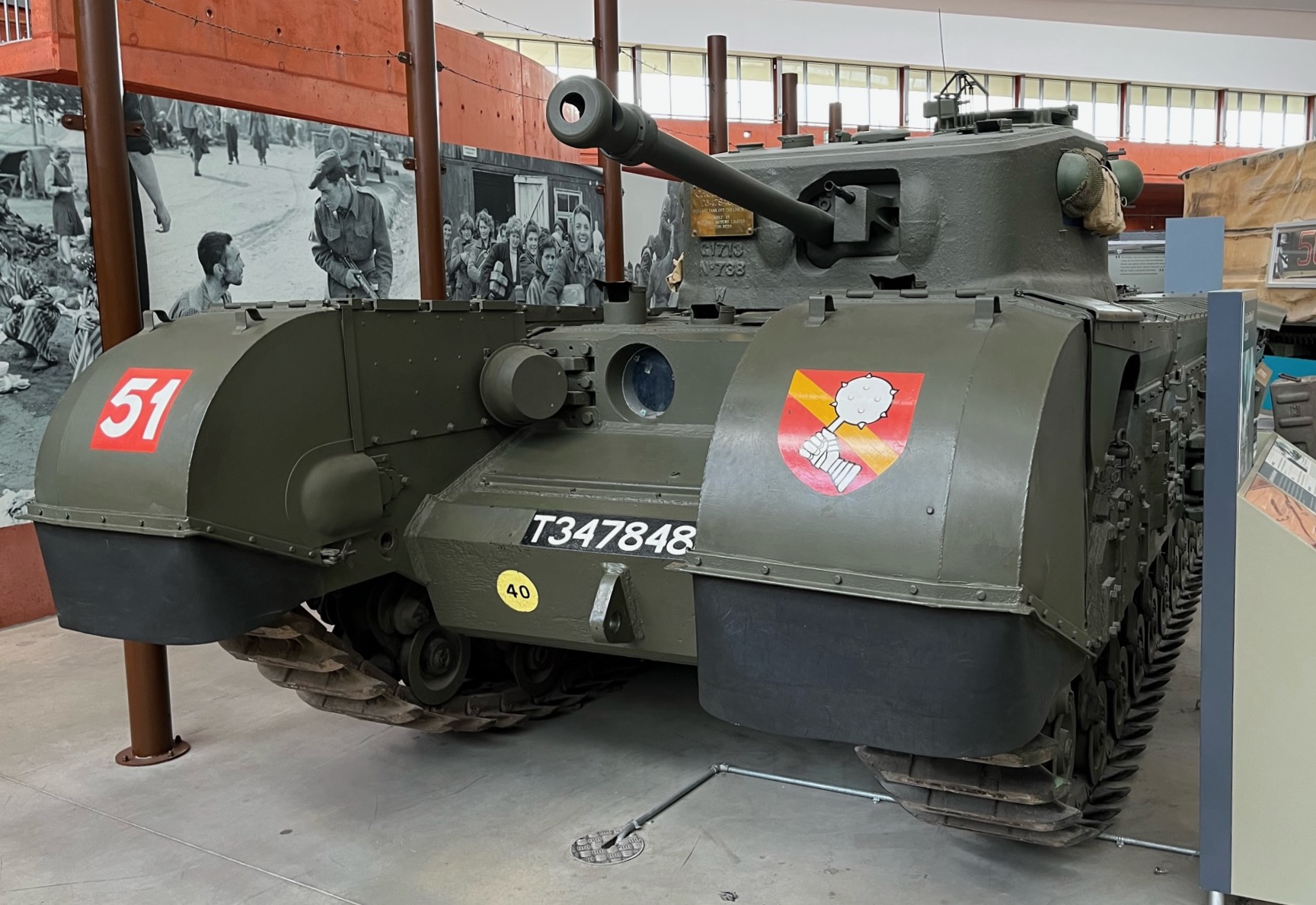
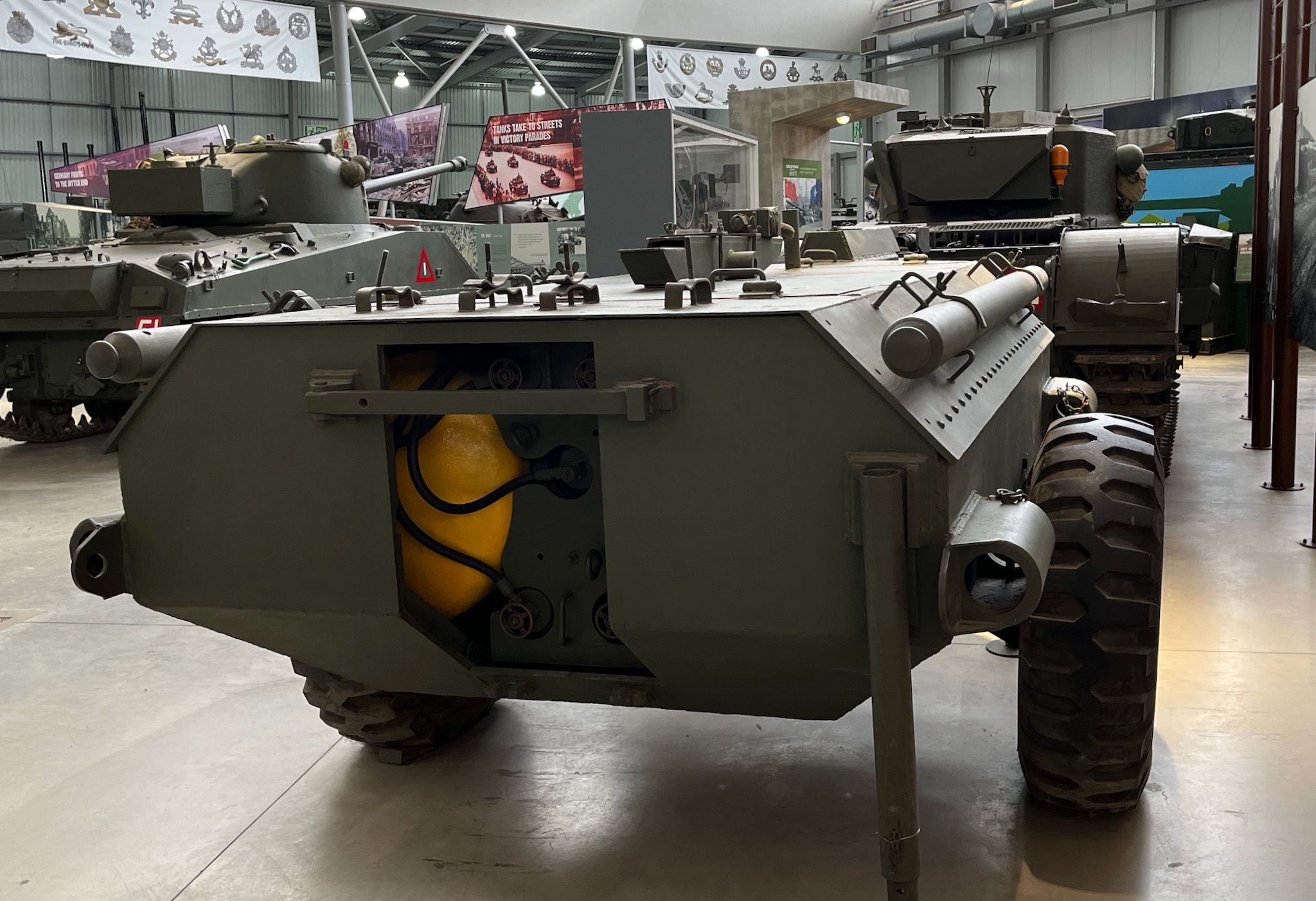
Infantry (A22) Churchill Mk II

The Tank, Infantry (A22) Churchill was a British heavy infantry tank used in the Second World War, best known for its heavy armour, large longitudinal chassis with all-around tracks with multiple bogies, its ability to climb steep slopes, and its use as the basis of many specialist vehicles. It was one of the heaviest Allied tanks of the war.

This Mark II was on display at The Tank Museum.

Infantry (A22) Churchill Mk II

Looking back at photographs from my previous visits to The Tank Museum I had taken a photograph of the tank when it was outside (and I identified it as a Mark I).

The origins of the design lay in the expectation that war in Europe might be fought under similar conditions to those of the First World War, and emphasised the ability to cross difficult ground. The Churchill was rushed into production to build up British defences against a possible German invasion. The first vehicles had flaws that had to be overcome before the Churchill was accepted for wide use.

After several Marks had been built, a better armoured version, the Mark VII, entered service.

The Churchill was used by British and Commonwealth forces in North Africa, Italy and North-West Europe. In addition, a few hundred were supplied to the USSR and used on the Eastern Front.

Infantry (A22) Churchill Mk II

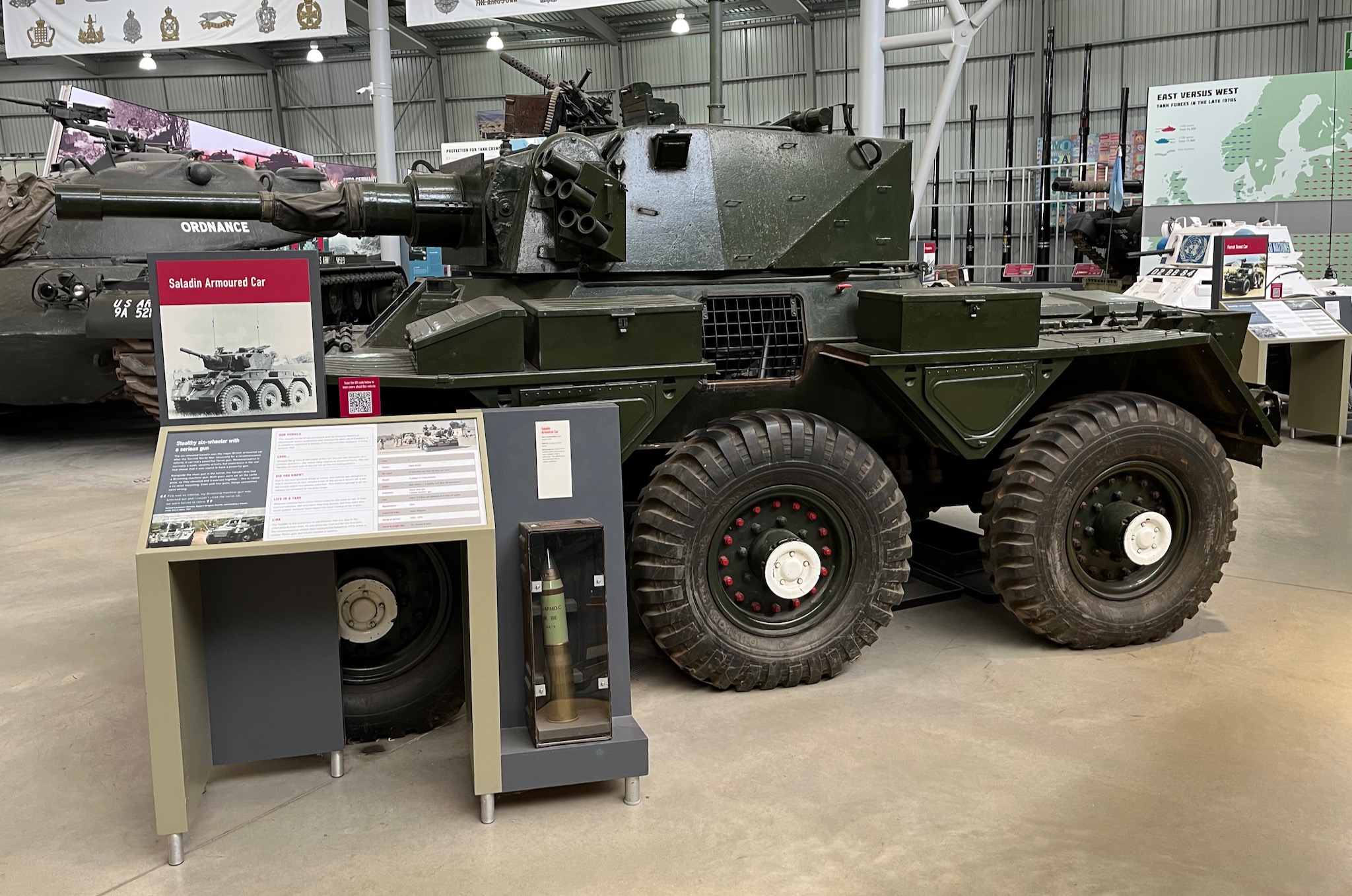
Alvis Saladin

This Alvis Saladin was on display at RAF Cosford.

Alvis Saladin

The FV601 Saladin is a six-wheeled armoured car developed by Crossley Motors and later manufactured by Alvis. Designed in 1954, it replaced the AEC Armoured Car in service with the British Army from 1958 onward. The vehicle weighed 11 tonnes, offered a top speed of 72 km/h, and had a crew of three. Saladins were noted for their excellent performance in desert conditions, and found favour with a number of Middle Eastern armies accordingly. They were armed with a 76 mm low-pressure rifled (spin-stabilised) gun which fired the same ammunition as that mounted on the FV101 Scorpion.
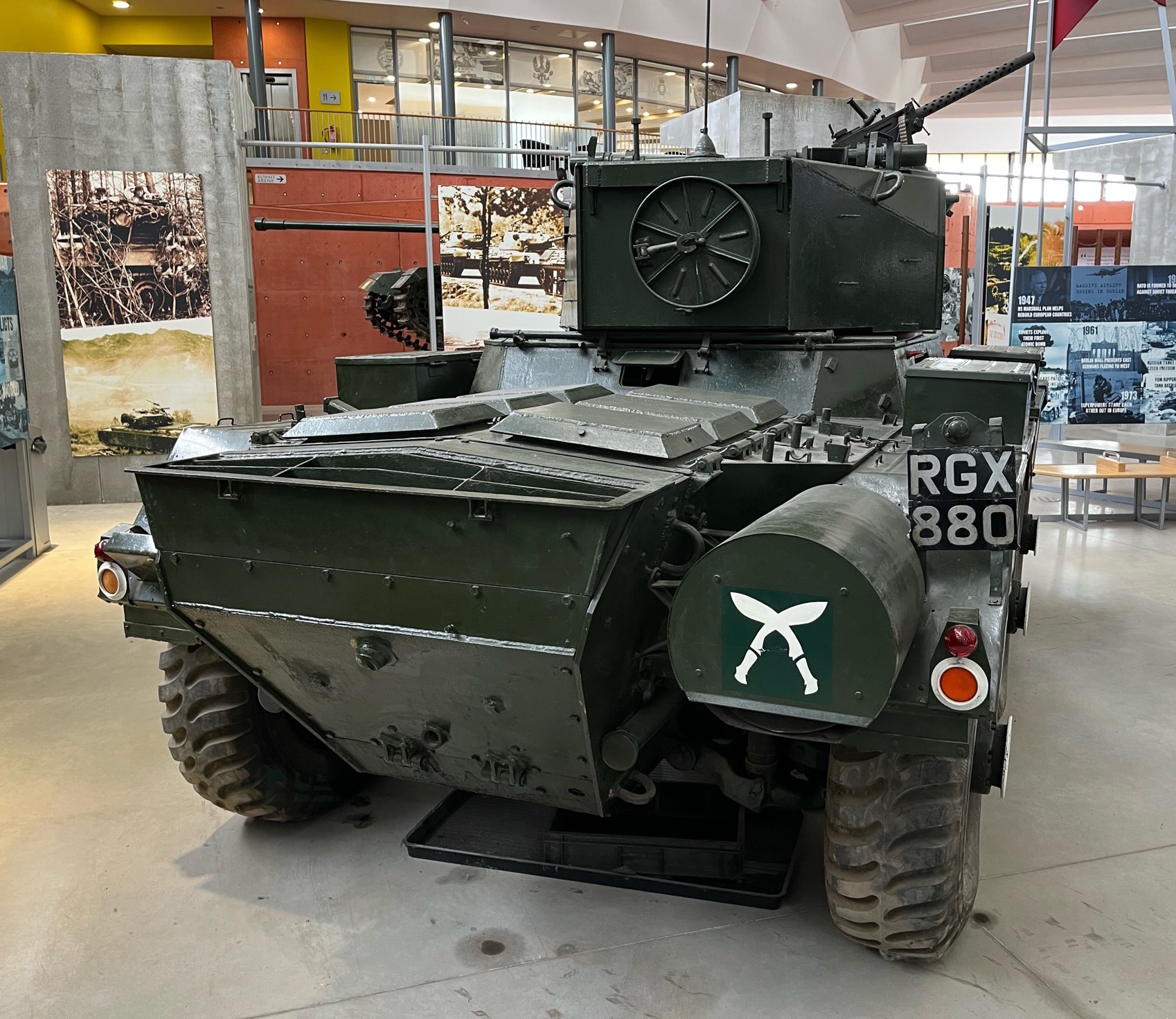
Alvis Saladin

Despite the vehicle’s age and dated design, it is still in use in a number of countries in secondary roles.
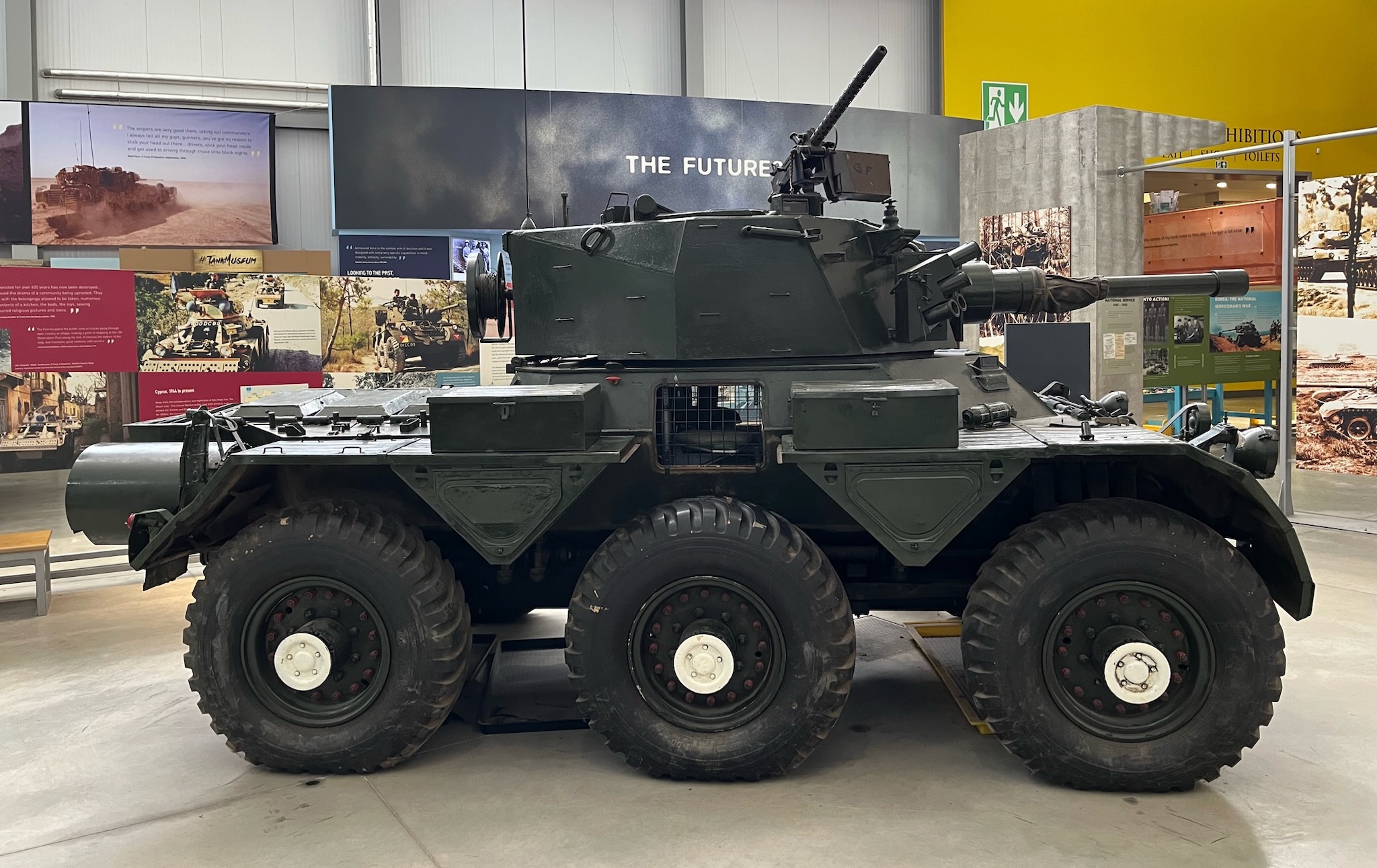
The Alvis Saladin at The Tank Museum.

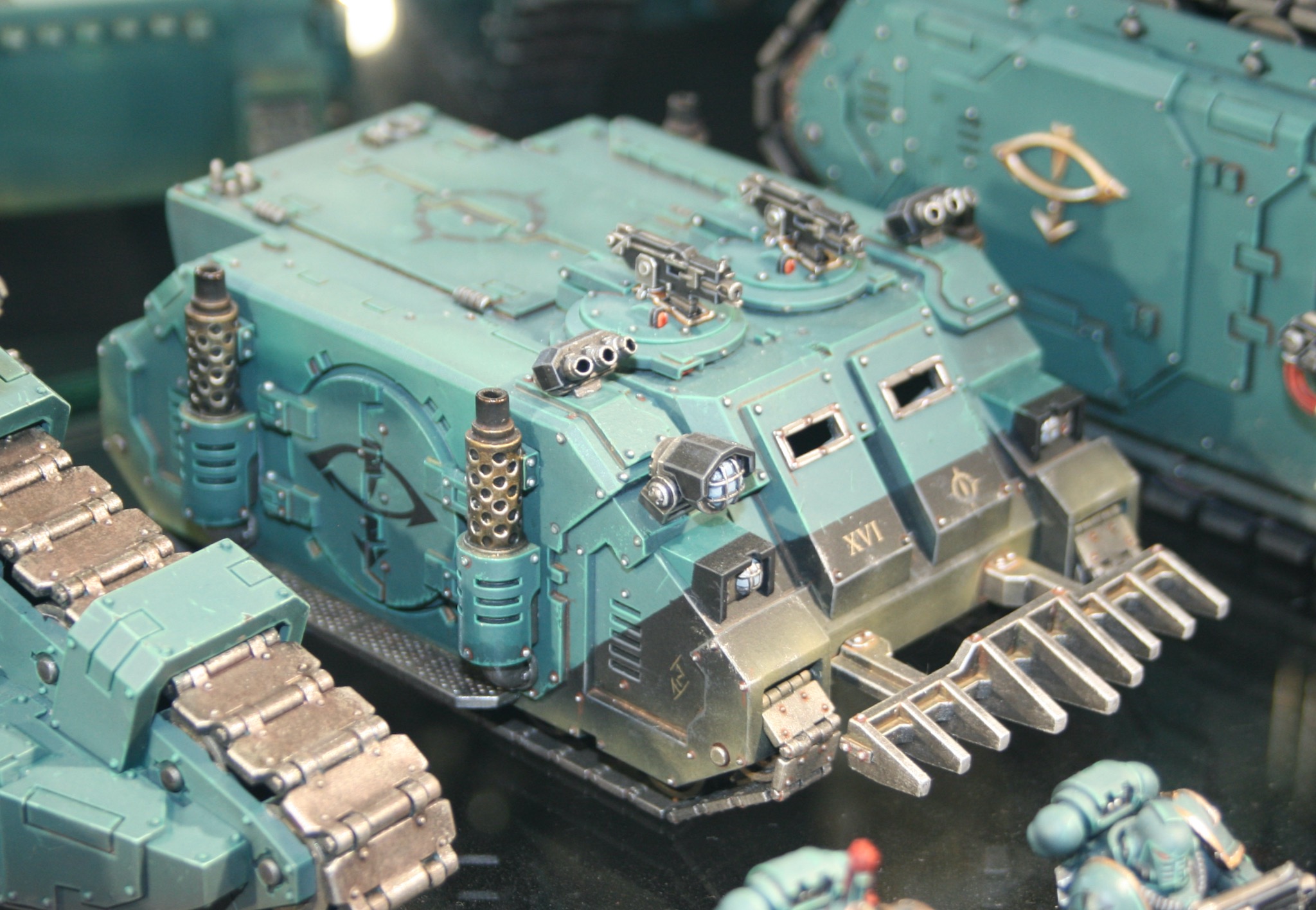
Land Raider Achilles-Alpha pattern

This Land Raider Achilles-Alpha pattern was on display at Warhammer World in the Battle of Signus Prime diorama.

Land Raider Achilles-Alpha pattern

The Achilles-Alpha pattern Land Raider is the most durable vehicle currently in the service of the Legiones Astartes. These vehicles shrug off weapon strikes that would cripple other battle tanks, and are proof against even the most toxic environment. The weaponry of these vehicles is formidable, featuring an advanced quad launcher and powerful volkite batteries.

Land Raider Achilles-Alpha pattern gallery.

M3 Grant Tank

The M3 Lee was an American medium tank used during World War II. It was a stopgap design that was quickly developed in response to the need for a more powerful tank than the M2 Medium Tank. The M3 had a unique design with a main gun in a sponson on the hull side, and a smaller machine gun turret in the center. This design was not ideal, as it made the tank’s silhouette very high and made it difficult to aim the main gun.

This M3 Grant Medium Tank was on display at Bovington.

Despite its flaws, the M3 was a reliable and sturdy tank. It was also well-armed, with a 75mm main gun and a .30-caliber machine gun in the turret. The M3 was also relatively easy to produce, which was important for the United States, which was not yet fully mobilized for war.

The British Army received a large number of M3 tanks under the Lend-Lease program. The British were not happy with the M3’s design, and they insisted on modifications, including a different turret. The British-modified M3s were called “Grants,” while the original American-designed tanks were called “Lees.”

The main asset of the tank, from the British point of view, was the 75mm gun which could fire high explosive and armour piercing ammunition. The former was the perfect answer to Rommel’s imaginative use of anti-tank guns and there is no doubt that Grant tanks were largely responsible for halting Rommel’s attack during the key battle of Alam Halfa.

For all that the Grant was a difficult tank to fight in. The low position of the main gun meant that it was impossible to conceal and the tank often had to swing round in order to bring this gun to bear. Riveted construction was also a serious liability by 1942 while the 37mm gun, in the turret, was all but useless.

Both the Lee and Grant tanks saw extensive service with British forces in North Africa, Italy, and the Far East. The tanks were not the best in the world, but they were reliable and sturdy, and they played an important role in the Allied victory.

M3A5 General Grant II (Monty’s) at the Imperial War Museum in Duxford.

Sikorsky MH-53J Pave Low III

This Sikorsky MH-53J Pave Low III was on display in the Cold War Exhibition at RAF Cosford.

The MH-53J Pave Low III helicopter was the largest, most powerful and technologically advanced transport helicopter in the US Air Force inventory.

The terrain-following and terrain-avoidance radar, forward looking infrared sensor, inertial navigation system with Global Positioning System, along with a projected map display enable the crew to follow terrain contours and avoid obstacles, making low-level penetration possible.

The MH-53J’s main mission was to drop off, supply, and pick up special forces behind enemy lines. It also can engage in combat search and rescue missions.

Low-level penetration was made possible by a state-of-the-art terrain following radar, as well as infrared sensors that allow the helicopter to operate in bad weather.

It was equipped with armor plating.

Battle of Signus Prime

Mastodon Heavy Assault Transports lead the forces into battle.

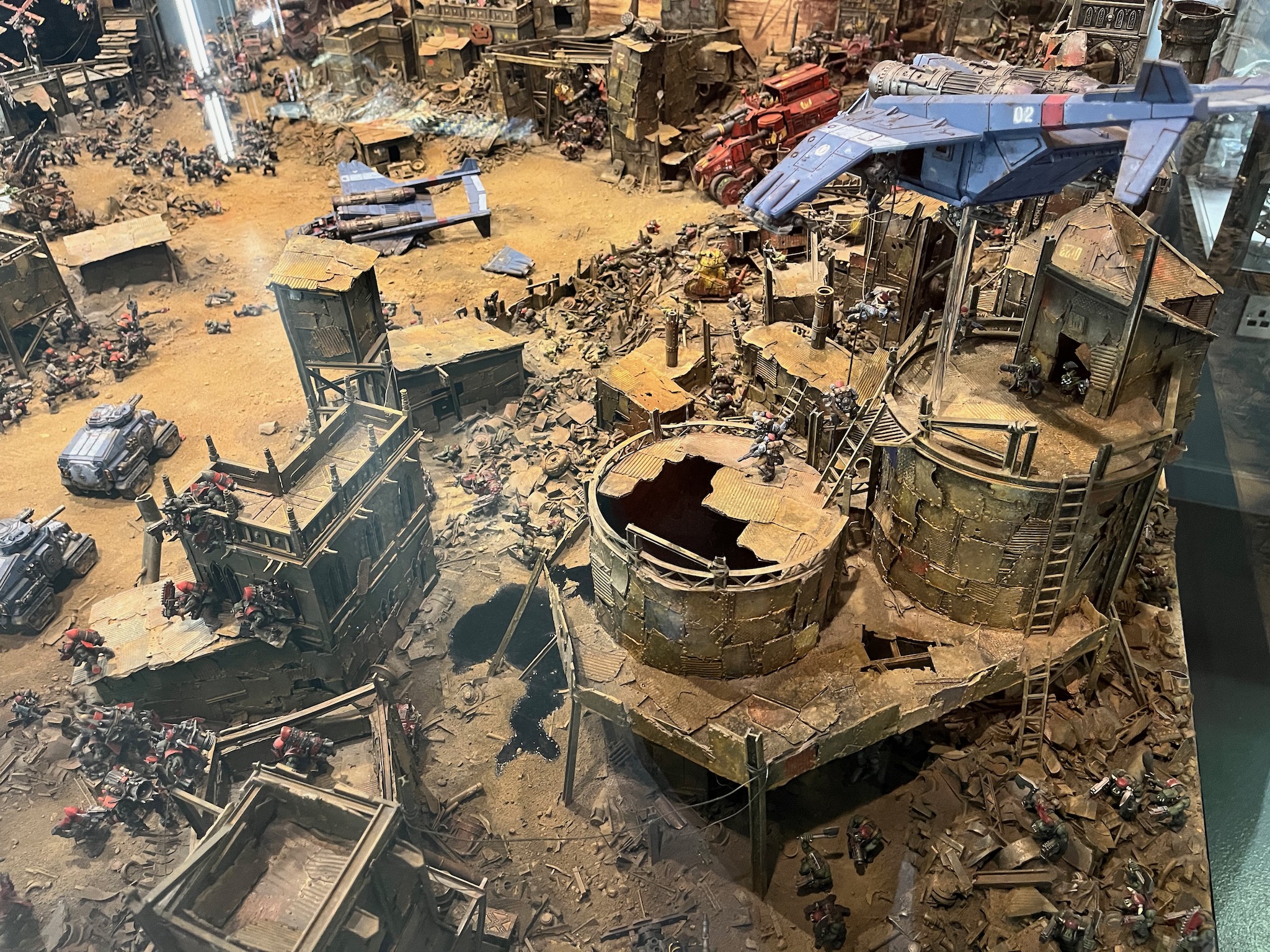
The Battle of Signus Prime was a diorama at Warhammer World where the Blood Angels Legion are advancing towards the Cathedral of the Mark across the devastated landscape of Signus Prime.

More photographs of the Battle of Signus Prime.